





Trustpilot is one of the most popular review platforms, with more than half a million customer reviews posted every month. Even a single bad review on such a popular customer feedback platform can severely damage a business’s online reputation. However, engaging in platform policy-violating practices to immediately delete or expunge Trustpilot reviews can permanently blacklist you or your business. Thus, a strategic approach for Trustpilot review removal is essential to entirely scrub the harmful feedback from the platform itself and maintain a positive presence.
The process is not entirely related to hiding the real experiences of genuine critics; it’s about removing the fake, malicious, and reputationally damaging reviews without violating the platform’s policies.
In this blog, learn how you can strategically remove a Trustpilot review by targeting the platform policy violations. Here we will talk about everything you need to know about Trustpilot review expunging and beyond.
Understanding Trustpilot Review Expunging
Trustpilot review removal or expunging refers to the process of permanently deleting or removing harmful, damaging, fake, or policy-violating reviews from the platform. The Trustpilot feedback removal process also involves scrubbing the review from the individual’s or business’s profile and repairing their overall online reputation.
How Can It Affect? From search engine visibility to overall sales and revenue, a damaging Trustpilot review can severely impact a company’s online reputation. As a major review platform with almost 330 million reviews and 60 million monthly active users, Trustpilot reviews and ratings are most likely to rank at the top of Google search result pages. Expunging negative or spam reviews from Trustpilot is crucial to preserve a business’s reputation across the web and drive consumers’ trust.
Why You Must Prioritise Expunging Trustpilot Reviews?
Trustpilot operates on an open-platform model that allows anyone to post feedback without requiring proof of purchase. This makes the business more vulnerable to malicious attacks. The following are some major reasons why every business should consider prioritising Trustpilot review removal to protect their brand reputation from harmful customer feedback:
- Defence Against Competitor Sabotage
High-authority industries, such as fintech and healthcare, tend to face targeted attack campaigns through fake or malicious reviews. Your market competitors can easily hire cheap ‘fake reviewers’ or use AI bots to flood your Trustpilot profile with realistic, 1-star reviews. Effective review removal ensures the permanent expunging of these fake or malicious reviews from the platform.
- Protection for Conversion Rates and Revenue
According to a Trustpilot study, 73.6% of Trustpilot visitors are more likely to purchase from a website that is displaying Trustpilot reviews on-site. A sudden drop in your overall star rating can result in your potential customers abandoning their shopping carts and choosing your competitors. When you expunge negative reviews from Trustpilot, it instantly improves the conversion rates for your business.
- Search Engine Visibility Preservation
As we have already mentioned, Trustpilot reviews frequently rank on the first page of Google, making your consumers trust those reviews more. When your potential customers search for ‘(your brand name) reviews’, those negative and fake Trustpilot reviews and poor ratings will appear on Google’s first page.
Apart from these, AI search engines like ChatGPT and Gemini extract data from Trustpilot reviews to recommend businesses. Effective Trustpilot review removal ensures that your brand dominates both traditional and AI search engine result pages with positive content and glowing reviews from a high-authority website like Trustpilot.
- Tos Violations and Defamation Eradication
Legitimate Trustpilot review expunging targets feedback that explicitly breaks Trustpilot content guidelines. If you receive any review on Trustpilot that is defamatory or harmful to your brand reputation, effective Trustpilot review removal allows you to legally and systematically erase that hate speech, profanity, and defamatory statements. You can successfully repair your damaged reputation and protect it in the long term.
When Can Trustpilot Reviews be Removed?
It’s not like – once a review is posted on Trustpilot, it will permanently stay across the web. You can certainly remove a negative Trustpilot review if it violates the platform’s content integrity guidelines.
- Always remember, you cannot appeal to the platform to expunge a negative review just because it is damaging your brand image online.
A genuine negative customer review on Trustpilot stays on the platform as well as across the internet because it is not based on a fake customer experience. Here we have mentioned 6 instances when a Trustpilot review can be removed. Let’s have a look:
- Fake or Spam Reviews
You may receive fraudulent reviews from individuals who never purchased anything from your business. Your market competitors can hire ‘fake reviewers’ or use ‘AI bots’ to spam your Trustpilot profile with fraudulent reviews and fake promotional content. Such fake or spam reviews often manipulate TrustScores.
- A Pro Tip for You! You can hire professional Trustpilot fake review removal services from a reputed agency to ensure the successful expunging of the spam feedback from your Trustpilot profile.
- Reviews Containing Hate Speech
When you receive customer reviews containing discrimination, violence, hate speech, and disparagement, you can definitely appeal to Trustpilot to initiate the removal of those reviews. As these reviews spread hate against race, ethnicity, religion, disability, age, gender, and sexual orientation, Trustpilot is more likely to consider your Trustpilot review removal appeal.
- Defamatory Content
Your competitors or any other individual may share false statements or facts through reviews intending to defame your brand’s online reputation. Though defamation is primarily adjudicated through the courts of the relevant country, including the US, the UK, and the EU, you can still appeal to Trustpilot to expunge the defamatory false review.
- Personal Information Exposure
If a specific review is exposing your or your brand’s crucial personal details, you can appeal to Trustpilot to remove the feedback from their platform. If a Trustpilot review exposes personally identifiable information (PII), such as your phone number, full name, and home address, without any authorisation, it can be removed from the platform.
- Reviews from Competitors
If a review is shared by your rival brand, dissatisfied current or former employees, or anyone who has a direct financial or personal conflict of interest, you can appeal for the Trustpilot review removal. Such reviews majorly violate Trustpilot’s user guidelines, as they are intended to undermine your brand’s reputation.
- Reviews Violating Trustpilot’s User Guidelines
Brands can consider appealing the removal of those reviews that violate Trustpilot’s user guidelines. If a review uses profanity or advertises other irrelevant services within a review or contains unintelligible content, it is subject to removal as per Trustpilot review guidelines.
Understanding Trustpilot’s Review Policies
Trustpilot’s review policy enforces strict guidelines to maintain a transparent, unbiased, and safe environment within its platform. If a review shared on Trustpilot violates these policies, it can be removed by the platform itself, and the companies, brands, or even individuals who are misusing the platform can face penalties, such as complete profile banning.
7 Types of Reviews that Violate Trustpilot Policies
As per Trustpilot’s review policy, the following review categories are strictly prohibited on the platform and come under Trustpilot review removal:
| Reviews that Violate Trustpilot Guidelines | What Are These Reviews? |
| 1. Fake Customer Experiences | Reviews that are written based on fake customer experiences or are not at all related to a first-hand buying or service experience |
| 2. Multiple Duplicate Reviews | When multiple reviews are shared by one reviewer for the same purchase, or when a Trustpilot review profile is flooded with copy-pasted content to manipulate ratings |
| 3. Offensive Language | When a Trustpilot review contains hate speech, slurs, profanity, or discriminatory remarks |
| 4. Threats | When a Trustpilot review contains anything related to extortion, blackmail, or violent threats to your business, its owners, or employees, it’s subject to the Trustpilot review removal policy |
| 5. Privacy Violations | If a review exposes the personally identifiable information (PII) of others without their consent |
| 6. Advertising or Solicitation | When a Trustpilot review advertises other services, shares promotional codes, referral links, or calls to action for other brands |
| 7. Illegal Content | When a review on Trustpilot promotes, encourages, or endorses illegal activities, including theft, copyright infringement, or fraud |
4 Types of Reviews That Are Usually Allowed on Trustpilot
Trustpilot allows its users to freely share their feedback for businesses from which they have purchased products or services. The only condition is to share a review based on a genuine buying experience within the last 12 months, no matter whether it’s positive, negative, or neutral.
Below are 4 major types of reviews that Trustpilot allows and are not subject to Trustpilot review removal:
| Reviews Trustpilot Allows | |
| 1. Honest Negative Opinions | Customer reviews that reflect personal dissatisfaction and don’t contain abusive or hateful content and are not shared with an intention to malign a business’s reputation |
| 2. Poor Customer Experiences | Reviews shared from Trustpilot accounts explaining problems during the interaction with a business, and reviews that are based on poor customer service or website glitches |
| 3. Critical Feedback | Reviews based on constructive or detailed observations about how a company operates, such as concerns regarding shipping delays, product quality, and return processes |
| 4. Genuine Positive Reviews | Reviews that involve authentic praise and high-star ratings from satisfied customers who have previously engaged with the business |
A Complete Step-by-Step Process to Report a Trustpilot Review: 7 Steps to Follow
The only way to remove a negative Trustpilot review is to report that specific feedback on the platform by using its built-in review flagging or reporting option. Another way is to hire professional online review removal services from a renowned ORM agency.
Reporting a misleading or policy-violating review on Trustpilot is quite a simple process. Let’s talk about this:
Step 1: Collect Essential Evidence
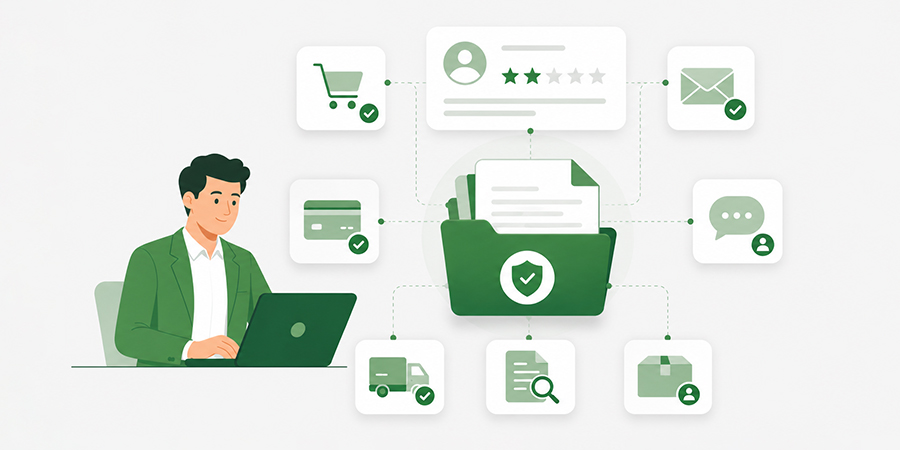
Firstly, you need to gather all the essential documents that can serve as evidence to boost your Trustpilot review removal efforts. Those documents must prove the Trustpilot review violates the platform’s content policy guidelines. When we talk about evidence, keep the following documents handy:
- Purchase or order history
- Internal customer relationship management records
- Customer communication logs, such as emails and chat transcripts
- Payment and refund records
- Customer support tickets
- Shipping or delivery confirmation
- Internal investigation findings to identify whether the reviewer is a genuine customer or not
Step 2: Log into Trustpilot Business
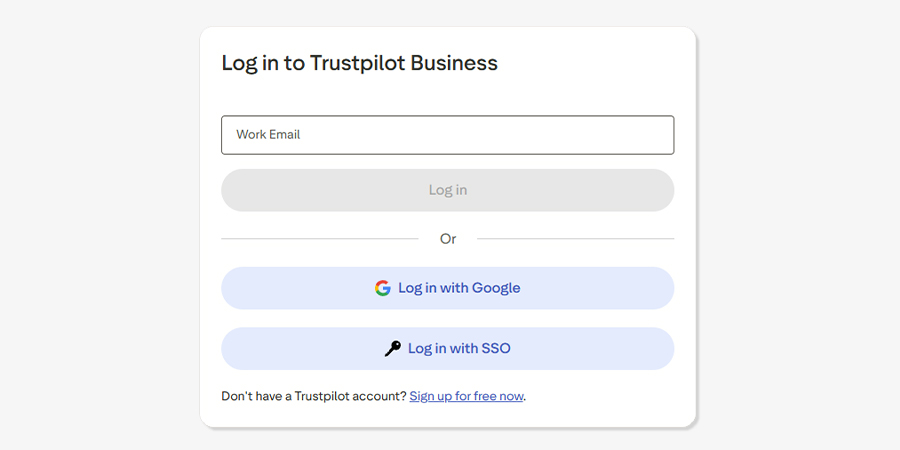
Now you can navigate to the official Trustpilot website to log in to your business account. Go to the dashboard and fill in your login details to navigate to the specific review.
Step 3: Locate the Review
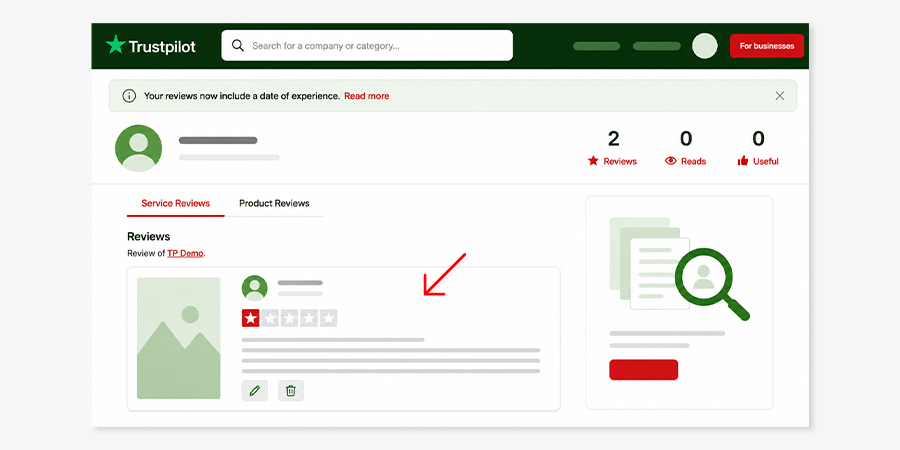
Now it’s time to find the negative review that has violated Trustpilot’s content policy. To locate the review, you need to select the ‘Reviews’ tab on your left-hand menu. Then navigate to the ‘Service Reviews’ option to find the specific feedback that you want to report.
Step 4: Flag the Review
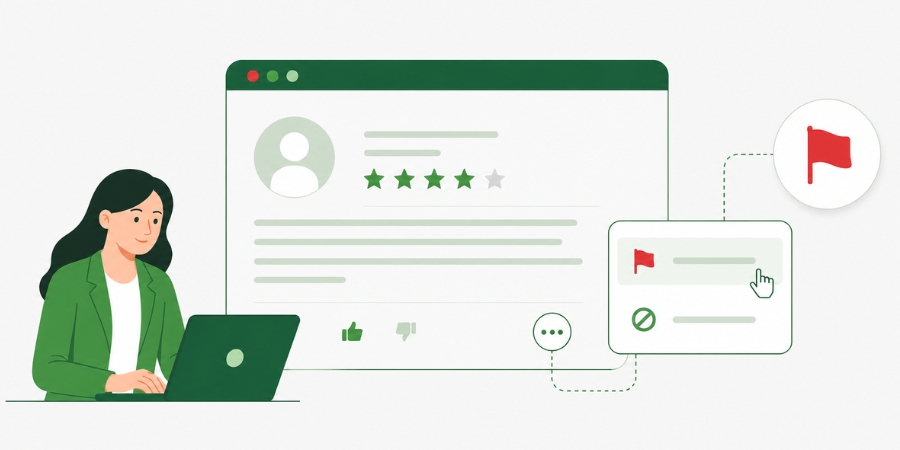
Now click on the specific review to get the ‘review flagging’ option. On the three-dot drop-down menu, you can click on “Flag Review” or “Report Review” to initiate the Trustpilot review removal request.
Step 5: Select the Appropriate Violation Category
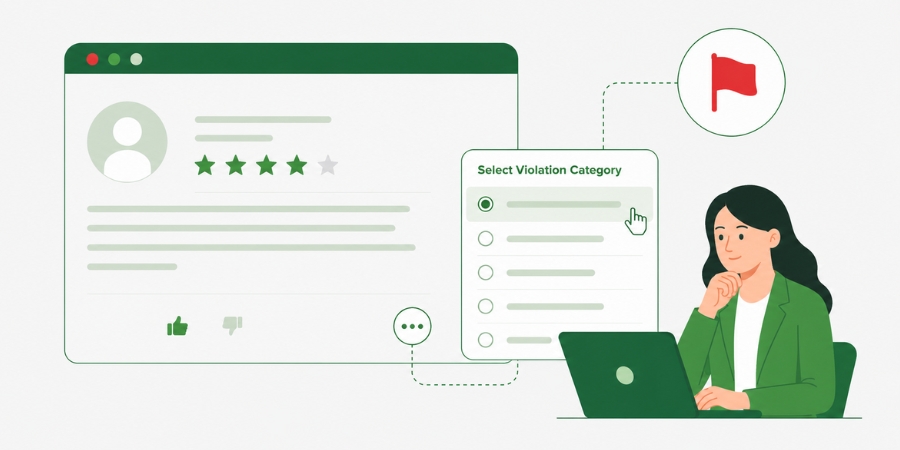
A list of options will appear on your screen, among which you can choose the reason why you want to flag the specific review. The reason you choose must best describe why you think that review has violated Trustpilot’s content guidelines.
Step 6: Submit Supporting Evidence
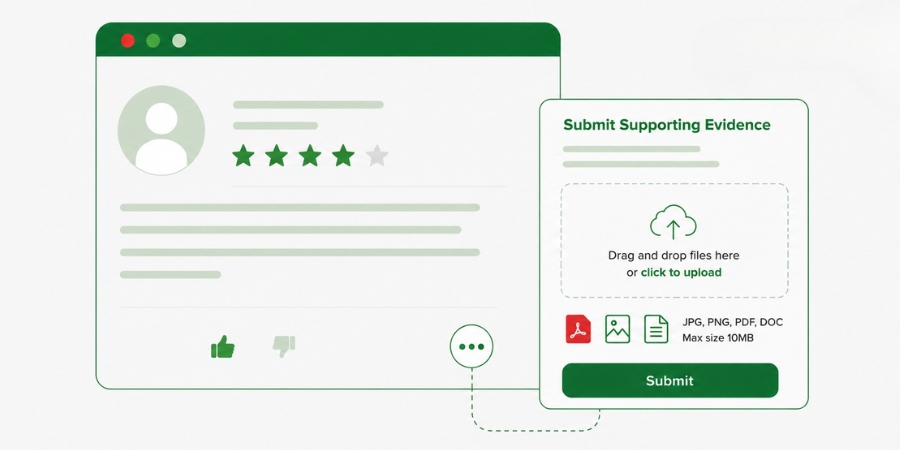
Now you can follow the prompts and upload the documents you have collected. When you provide genuine documentation, it increases your chances of initiating a successful Trustpilot review takedown.
Step 7: Wait for Trustpilot’s Investigation
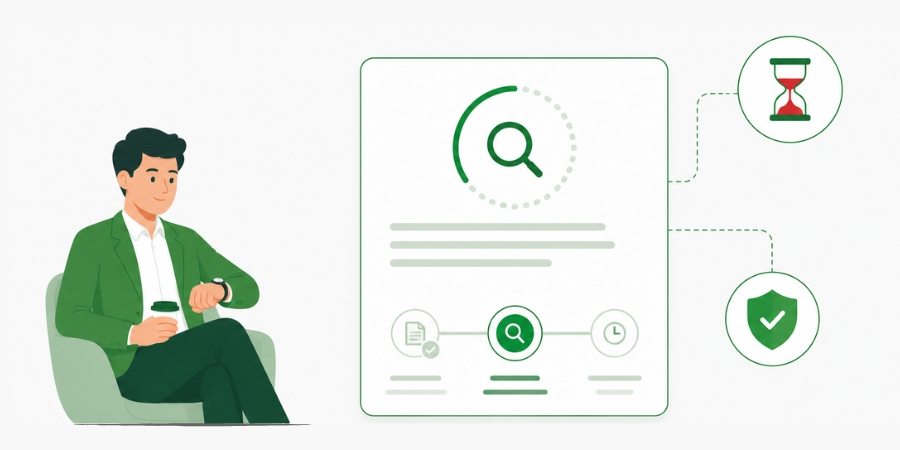
Now you just need to wait for a reply from Trustpilot’s team regarding their investigation. The compliance team will now evaluate the specific reported review. The platform also allows you to directly track the status of your reported review within your business account portal.
What Happens After You Flag a Review on Trustpilot?
How Trustpilot handles a review removal appeal is a structured workflow. From investigating flagged reviews and evidence to making the final Trustpilot review removal decision, the process covers every step required to decide whether a removal is necessary.
The following are some crucial stages that explain what happens after you flag a Trustpilot review:
- Initial Review by Trustpilot Team
When a business flags a review using Trustpilot’s reporting tool and specifies the exact reason, such as defamatory content, fake experiences, or conflicts of interest, the team evaluates the initial flag. It ensures the feedback perfectly aligns with acceptable reporting reasons and community guidelines.
- Temporary Status Change
Then, after the initial review, Trustpilot’s content integrity team will change the flagged review’s status to ‘Under Investigation’ while the investigation is going on. However, after the status is changed, the review remains temporarily visible on the platform. But through this changed status, the public will know that the review is currently being evaluated for compliance and can be subject to Trustpilot review removal.
- Notification to the Reviewer
The platform notifies the reviewer through email regarding their Trustpilot feedback flagged by a brand. In the email, the brand name is mentioned along with the other specific guidelines. Trustpilot also cites a specific guideline in the email. So the reviewer is given a set time period, which is typically up to 7 days. The reviewer is asked to provide essential documents within the set time period to verify their genuine experience.
- Document-based Discussions with Reviewers
Trustpilot examines the documentation shared by the reviewer to confirm their experience with the brand they have reviewed. In this stage, the content integrity team instructs the reviewer to have a direct discussion with them. Sometimes, the reviewer fails to reply and refuses to engage with the team for a discussion. It can also happen that the reviewers fail to provide satisfactory proof to them. In such situations, Trustpilot takes strict action against the reviewer.
- Investigation Timeline
How much time a Trustpilot review removal takes is not something fixed. There is not a single guaranteed turnaround time, as the Trustpilot team may take from a few business days to a few weeks to investigate the review. The timeline completely depends on the complexity of the specific case. Additionally, it takes quite a long time to weigh the reviewer’s evidence against any counter-evidence or policy arguments provided by the brand reviewed.
- Final Decision
Trustpilot makes the final decision on removal after the team finds the review violates the platform’s content guidelines or if the reviewer fails to prove their claims. In such cases, the platform permanently removes the review from the reviewer’s and the brand’s profiles. On the other hand, the review is restored to full and active status, and the review flag is dismissed if the reviewer provides adequate evidence of their purchase experience.
- Note: If your initial flag is dismissed for a specific harmful Trustpilot review, you can submit a formal dispute with additional evidence to Trustpilot’s senior content integrity team.
What If Trustpilot Doesn’t Expunge the Review?
Yes, you have heard it right!
Trustpilot has the right to decline a review removal appeal. However, you can still manage the situation by publicly responding to the negative review. Apart from this, you can also attempt a direct resolution or even use the feedback to improve your business operations.
Here is a list of certain alternatives you can consider if Trustpilot doesn’t expunge the review damaging your brand reputation:
- Respond Professionally
Always respond to the review professionally by keeping your tone calm, polite, and objective. Why? Because not only the reviewer but also your future customers will have access to your review response. Avoid arguing with the reviewer or discrediting the reviewer’s feelings if the person is a real customer.
You can also gently clarify the situation to the reviewer if the person has misunderstood your policy or left an inaccurate claim.
- Address Customer Concerns
If your Trustpilot review removal claim is declined, you can still acknowledge the specific issues experienced by the reviewer. Validate their frustration even if you know that they are at fault. This specific gesture will showcase to potential buyers that you truly value customer experience.
- Offer Offline Resolution
The best way to resolve a negative customer experience is to offer a suitable solution. You can ask the reviewer to have a personal chat with your team to resolve the issue at the earliest. This will help you avoid arguments on a public forum. Always provide a direct channel of communication, such as your email ID or your official contact number, so that the reviewer can easily reach out to you and fix the problem.
- Encourage Updated Reviews after Resolution
Once the issue is resolved, you can ask the reviewer to update their review on Trustpilot. For this, you can send a polite follow-up email to thank them for their patience and for cooperating with you to find a solution. Don’t demand a great rating; rather, you can request to revise their Trustpilot review to reflect a resolution.
- Learn from Recurring Complaints
Effective negative review management suggests that negative reviews are the best way to identify your areas for improvement. You can use such unfavourable reviews as a valuable diagnostic tool. Try to identify if multiple customers are complaining about the same issue. If so, you can improve your business operations by adjusting your internal processes, policies, and staff training to prevent similar future concerns.
5 Mistakes Businesses Should Avoid While Expunging Reviews from Trustpilot
As the process is quite complex, you cannot afford to make a mistake. Even a single mistake can ruin your entire Trustpilot review removal efforts. Identifying the mistakes can help you avoid making them, along with preventing penalties, consumer distrust, or even Trustpilot account suspension.
Here is a list of 5 mistakes businesses commonly make while expunging Trustpilot reviews:
Mistake 1: Reporting Every Negative Review
Many brands often make the mistake of reporting every single negative review they receive on Trustpilot. If they report a legitimate and genuine customer experience, it can only waste their time or even flag their business on the platform for misusing the review reporting tool.
Mistake 2: Buying Fake Positive Reviews
Are you buying fake positive reviews just to boost your Trustpilot review profile? If yes, then you are making a huge mistake! Buying fake reviews from third-party service providers is considered a direct violation of Trustpilot’s content policy. As the platform uses advanced fake review detection software, it can send your business a public consumer warning.
Mistake 3: Asking Employees and Close Ones to Leave Reviews
Many brands often encourage their staff, friends, and families to leave positive reviews for their products and services. This practice can create a biased conflict of interest. Trustpilot strictly prohibits businesses from asking for reviews from employees.
Mistake 4: Threatening Reviewers
Another common mistake businesses make is to threaten the reviewers who have shared negative reviews to initiate a Trustpilot review removal. Bullying and intimidating the reviewer for sharing reviews can result in a huge PR crisis. You cannot force anyone not to share their personal experience with a business.
Mistake 5: Posting Fake Customer Accounts
Creating dummy accounts on Trustpilot to leave positive reviews and boost your own brand ratings can put your business into trouble. Additionally, if you are sharing fake negative reviews on your competitor’s Trustpilot profile, let us tell you that the practice is also unethical and easily detectable via IP addresses. Your business can be penalized by the platform and even permanently banned from the platform.
FAQs
Below, we have listed 5 trending frequently asked questions and answers related to Trustpilot review removal:
Ans. No, they can’t. Businesses cannot directly remove or expunge Trustpilot reviews themselves. A review is owned by the person who has written it. Either the platform or the reviewers themselves have the power to permanently take down the review.
Ans. Trustpilot generally takes from a few days to several weeks to investigate a reported review and resolve the issue. However, most outcomes of such a review removal appeal arrive within 3-10 business days. But the timeline completely depends on the case complexity and whether the Trustpilot team needs to contact the reviewer or the brand for further documentation or not.
Ans. No, you cannot legally delete a negative review from Trustpilot yourself. The platform content guidelines prohibit businesses from directly removing reviews just because they are negative.
Ans. Yes, you can! You need to appeal or formally challenge the Trustpilot team’s decision not to remove a review. Trustpilot has a structured process through which you can appeal to the team regarding a Trustpilot review removal.
Ans. Yes, you can completely remove or expunge a Trustpilot review from the platform as well as the business’s profile, but of course, under specific conditions. You cannot pay the reviewer to delete negative feedback or authoritatively delete legitimate negative feedback based on a real customer experience. Permanent removal of a Trustpilot review entirely depends on the reviewer’s or the Trustpilot Content Integrity team’s decision.
Conclusion
We know that the process of removing a review from a high-authority platform like Trustpilot is quite complex. You need to follow the platform’s internal policy guidelines while removing or expunging a review. If you think that a review on Trustpilot is severely damaging your online brand reputation and has also violated the platform’s policy guidelines, you can seamlessly initiate a takedown request.
To ensure the success of the Trustpilot review removal process, we have provided you with a complete guide in this blog. Follow our tips and tricks to protect your brand from reputation damage across the virtual world.
Need professional assistance? Consider partnering with a reliable online reputation management agency to seek their expert guidance on removing a policy-violating negative Trustpilot review.

