






When your name as an executive comes up in a confidential online search, does it instantly showcase relevance and trust? If not, it’s time to take charge of your executive reputation across the virtual landscape. In today’s competitive digital landscape, a CEO’s or an executive’s reputation is no longer just an optional ‘nice-to-have’ asset. From attracting authoritative investors to encouraging top talent to join your organization, an executive’s digital presence and online reputation are two core drivers of his/her corporate valuation. Proactive executive reputation management is a board-level imperative, helping you to build a desired personal image across the web.
A single social media post, an unchecked search result, an ignored negative review, or a mismanaged crisis can adversely affect a stakeholder’s trust in the company. It can trigger massive employee departures and even depress stock prices.
A 2020 study by PR Newswire suggests that online reputation accounts for 63% of a company’s overall market value. So, in simple terms, when a company’s CEO has a strong personal brand, people are more likely to perceive the company’s overall reputation positively.
In this blog, we will explore how CEOs and executives can manage their online reputation like a Pro. The comprehensive guide will offer actionable strategies to transform your executive reputation from a liability into your greatest company asset. Let’s get started!
What is Reputation Management for CEOs and Executives?
It refers to the proactive and strategic process of building, shaping, managing, and protecting a CEO’s and executive’s personal and professional brand image. Effective online executive reputation management strategies ensure that your executive reputation is perfectly aligned with your organizational goals and stakeholder trust.
From enhancing business credibility through thought leadership to controlling digital narratives and managing reputational risks to safeguard your company’s valuation and public perception, reputation management for CEOs and executives covers all aspects of a company leader’s digital image and beyond.
- Key Components of Executive Reputation Management
The following are some major components of CEO or executive reputation management. Let’s have a look:
- Digital Presence
How your digital presence appears as an executive is crucial to determining the online search results. It involves the complete audit and optimization of the online search results, your LinkedIn profiles, and professional company websites. All these positively contribute to a positive first impression.
- Stakeholder Trust
What your clients, investors, existing and potential employees, and the other public think of you as a CEO executive plays a major role in determining your executive reputation. If your direct stakeholders trust your expertise and authority, it naturally improves your online reputation as a CEO.
- Media Perception
Managing what the media publications think of you as a CEO or executive is crucial to his/her online reputation. Positive media coverage showcases your reputation positively across the online world. It involves proactive storytelling of your journey, engaging in interviews, and securing byline articles to shape an executive’s public narrative.
Additionally, it involves managing media mentions and instantly addressing misinformation or negative press before they start damaging your credibility as a CEO or executive.
- Internal Leadership Image
Another key component of online reputation management for executives is building an internal leadership image. It primarily focuses on how the executive’s reputation is viewed within their own organization – whether it influences employee morale and retention. The executive needs to demonstrate strong, empathetic, and consistent leadership to ensure their internal organizational culture aligns with his/her external reputation.
Why CEOs and Executives Need to Invest in Reputation Management: 4 Key Reasons
Are you someone holding a senior executive position in a company?
If yes, have you invested in effective online reputation management? If not, you’re missing out on a list of advantages – professional reputation management tactics can help you achieve a desired executive reputation and take your personal digital presence to the next level.
Here are the top 4 reasons why you should definitely invest in CEO reputation management or executive reputation management:
- Major Influence on Business Growth
Your executive reputation can directly impact your overall business growth, as it can either positively or negatively affect your stakeholder trust and company valuation.
Do you know that nearly 95% of financial analysts are more likely to buy stocks based on a CEO’s reputation? Yes, you’ve heard that right! The majority of investors and analysts examine a CEO’s online footprint to identify potential risks. From enhancing customer loyalty and building your investors’ confidence to help your company to stand out in the market, a positive executive reputation can influence your company’s growth in many ways.
- Top Talent Attraction and Retention
According to a 2026 WeCP article, 75% of job seekers research the employer’s reputation before applying for a job position in their organization. Highly skilled employees and the top performers often prefer to be associated with organizations that have credible and authoritative leadership.
When you have a positive reputation as an executive, it makes your company more appealing to the top talent. A company with a reputable CEO enhances employee pride and influences the retention of the existing staff.
- Thought Leadership Advantage
Proactive reputation management showcases as industry experts – it builds their brand affinity. It involves consistent publication of original insights on industry trends, which differentiates you from your competitors. When you have a strong reputation as a CEO or executive, it ensures the press will be more likely to listen to your announcements and prioritize them for their publication coverage. Thought leadership majorly drives rapport and trust with your high-value audiences as well.
- Proactive Crisis Resilience
During a crisis, your strong executive reputation can play the role of a shield for your company. It can help you prevent major damage to your brand reputation and ensure faster recovery. During a crisis, your stakeholder may trust your company if your CEO or executive has already established a positive track record.
It allows the CEOs and executives to monitor online brand mentions and immediately respond to threats before they turn into a full-blown disaster.
5 Key Elements in Effective Executive Reputation Management
A strong executive reputation is built on authentic and consistent leadership. It must be aligned with the executive’s personal values and the corporate purpose. It must be primarily driven by digital savvy and media credibility.
Here are 5 key elements of a strong online reputation management plan for an executive or CEO:
- Authentic Personal Brand
Apart from your company, your executive persona should have an authentic brand reputation. The following are three major factors of an authentic personal brand:
- Values – A unique value proposition (UVP) and leading the company with integrity.
- Voice – Communication with clarity and consistency to build trust and ensure the ‘in-person’ and ‘online’ experience match.
- Consistency – Ensuring a cohesive message is consistent across all the platforms, such as internal meetings and social media platforms.
- Media Coverage
How you are being covered by the major media publications determines how the public will perceive you as an executive.
- Press Mentions – Securing third-party validation through industry publications to build public trust.
- Interviews – Prioritizing narrative-driven PR through strategic storytelling and interviews to showcase ‘why’ behind your business decisions.
- Op-eds – Positioning you as a thought leader in the industry, future-proofing, and social responsibility.
- Online Presence & Online Search Visibility
An executive’s digital presence plays a huge role in determining their online reputation. When someone is searching for the executive’s name using search engines like Google, the first page results are what set the first impression of the executive.
- Google Results – Proactive search engine result page (SERPs) management to ensure the first page of online search results reflects an executive’s desired results.
- Knowledge Panels – Wikipedia, LinkedIn, and personal website optimization for accurate, precise, and updated information.
- Website and Personal Bio – Updating professional bios and websites to ensure a mix of profiles and dynamic, expert content.
- Social Media Influence
How you, as an executive, appear on social media and how your followers are engaging with you as an executive play a major role in your online executive reputation management.
- Platforms to Prioritize – Among all other platforms, LinkedIn is a non-negotiable for B2B businesses. You can also prioritize X to ensure real-time engagement and news. To share more personal and behind-the-scenes content, you can choose Instagram.
- Content Positioning Strategy – Executives can share original insights, engage with their peers, and curate industry news to build a community.
- Public Speaking & Events
Through directly speaking to the public, executives can build and manage a strong online reputation for their professional authority.
- Conferences – Appearing at high-profile events like conferences to showcase your executive expertise and build a sense of trust in your stakeholders.
- Panels – Participating in meaningful discussions with high profile professionals to showcase your knowledge and resources in the niche industry.
- Webinars – Leveraging virtual and in-person events to convey a complete message, including tone and energy, to accelerate trust in your client base.
How to Build a Solid Reputation for CEOs and Executives: 9 Must-Know Strategies to Implement
Now that you know the list of elements required for a solid CEO reputation or executive reputation management, it’s time to get started with the strategy guide.
As a part of a personalized CEO reputation management strategy plan, you need to identify where your current reputation stands through a complete audit. Creating a strong content plan and building interpersonal relationships with the major media publications can help you build your desired executive reputation.
Here, we have listed the top 9 advanced strategies of online reputation management for executives and CEOs. Let’s have a look.
Strategy 1: Define Clear Positioning

Before you build a solid online reputation, you need to identify a clear and focused positioning of your current reputation. It can be a daunting task at times – but focusing on a specific industry niche and authenticating your personal journey can help you highlight unique areas of expertise.
When you successfully define a clear reputational position for yourself as an executive, you can differentiate yourself from your competitors in the market and establish yourself as a trusted resource in the market.
The following are some factors that you need to identify as a priority before you get started with the complete online reputation management process:
- Industry Niche
You need to identify the industry in which you and your company are specialized. You can pinpoint a specific sector or issue that you can solve through your company’s offerings or your professional expertise. Try to identify the market gaps, including the underserved areas or specialized roles where you think you need specific improvements.
- Personal Journey
As an executive, you must structure your career story or professional journey, including the challenges that you have overcome, the lessons you have learned so far, and the real aim behind establishing your company. Don’t forget to shape your passions and motivations that drive your leadership in the specific organization. It will help executives and CEOs foster human connections and trust.
- Expertise Areas
You must identify 3-5 core strengths, specific skills, topics, and bodies of knowledge. For example, through the LinkedIn Experience section, executives can share case studies of their previous projects and major partnerships to validate their expertise. They need to regularly publish insights and articles to highlight their unique perspective on various industry challenges.
Strategy 2: Audit Your Current Brand Reputation

Without knowing where your current reputation stands, it will be difficult for you to identify the strategy gaps and improve your plan to achieve great results. Here’s how you can audit your executive reputation.
- Perform Google Search Audit
Wondering why you need an audit?
A thorough audit can reveal what your stakeholders see when they search for your name online.
- Firstly, you need to use an ‘incognito mode’ of your preferred browser to search for your complete name and company name.
- Now, try to focus on the top 20-30 results, specifically the first page of online search results.
- You need to categorize the results into positive, negative, and neutral.
- Apart from this, you can also check Google Images to find the damaging or outdated images that are no longer aligned with your current leadership role.
- You need to detect the inconsistencies between the reputation you have desired to have and the actual search results you have obtained.
- Track your Social Media Reviews
Now it’s time to track the reviews you’ve received through your social media profiles. Social media platforms serve the role of a real-time indicator of your approachability and leadership style.
- You need to review all the accounts across LinkedIn, X, and Instagram to maintain profile consistency in imagery, tone, and bio information.
- You can employ social listening tools to detect conversations where your name or your brand name is mentioned but not directly tagged.
- You need to analyze your online interactions and evaluate the social media comments and direct messages to gauge how your social media followers perceive your leadership.
- Analyze Your Media Sentiment
How media professionals perceive you as an executive determines a lot regarding your online reputation. It provides a kind of high-authority validation of your professional standing. You need to identify recurring themes in your previous press coverage. Tools can help you determine if the media narrative is generally supportive of you or neutral.
You need to monitor industry-specific forums like Reddit and Quora, along with review sites like Glassdoor and G2 – it will help you see how your employees and partners discuss your leadership as executive or CEO.
Strategy 3: Create a Strong Content Strategy Plan

Even small business owners need to implement online reputation management strategies, and for entrepreneurs, a robust content strategy plays a major role here. The types of content you will share will showcase the high-authority knowledge and resources as an executive.
- Write Thought Leadership Articles
You must focus on writing and sharing your unique perspectives on industry trends, interpreting news, and solutions. You can also produce thought leadership articles on common industry challenges.
- Create Interviews and Podcasts
These two types of content are ideal for discussing relevant industry issues. Podcasts build credibility through association and showcase an authentic voice. On the other hand, structured interviews allow for wide storytelling and sharing personal experiences.
- Produce Engaging Video Content
We suggest you create short-form videos for LinkedIn, or you can also produce longer educational videos. While producing these types of videos, you need to start them with a strong hook, keep them brief, and ensure high production quality for every video you produce for credibility.
- Publish Whitepapers
You must develop detailed, research-driven reports based on industry trends or solutions to complex problems to solidify your authority as a CEO . The Whitepapers must be data-driven and must address specific pain points of your niche audience.
Strategy 4: Develop Media and PR Strategy

Another proactive executive reputation management strategy is to develop media and PR strategies. You need to build authentic relationships with major media professionals. It will help you to ensure compelling and newsworthy media coverage of you or your business.
- Build Interpersonal Journalist Relationships
The only way to generate trust and reliability among journalists is to transform your transactional media interactions into rational ones. It will help you to increase the likelihood of fair and consistent coverage.
- You need to utilize certain tools to identify journalists who cover your niche industry news. You can follow their recent work and personally engage with them on social media.
- Always send personalized emails to the journalists, where you can add references to the journalists’ past work. Don’t ask for the coverage yet; connect with them without requesting any coverage.
- You can also provide data, industry insights, and expert commentary without expecting any kind of promotions.
- You can provide high-tier stories and promote them as exclusives to the journalists you’re expecting positive coverage from.
- Never take too much time to respond to the media inquiries, respecting their deadlines.
- Create Press Releases and Pitching
Press releases are another significant content piece that works best for media pitches. For any type of formal announcements, you must develop and distribute well-structured press releases.
- A Quick Guide for a Well-structured Press Release for Executives
- Always use 8-12 words for the headline of the press release. Don’t forget to add the Ws, such as ‘who, what, when, where, and why’ in the first paragraph of the entire content.
- We suggest that you add real quotes from key personnel associated with the announcement or the organization. It’s important to provide insights and a human perspective through your press release.
- You must place the most crucial information in the press release. Always follow an inverted pyramid structure for the press release. After the most crucial information, place the supporting details and less crucial background information at the end.
- Don’t use too much technical jargon as media professionals with little knowledge in your niche industry.
- At the end of the press release, you must add a short yet standard company description.
Strategy 5: Maintain Brand Consistency across Channels
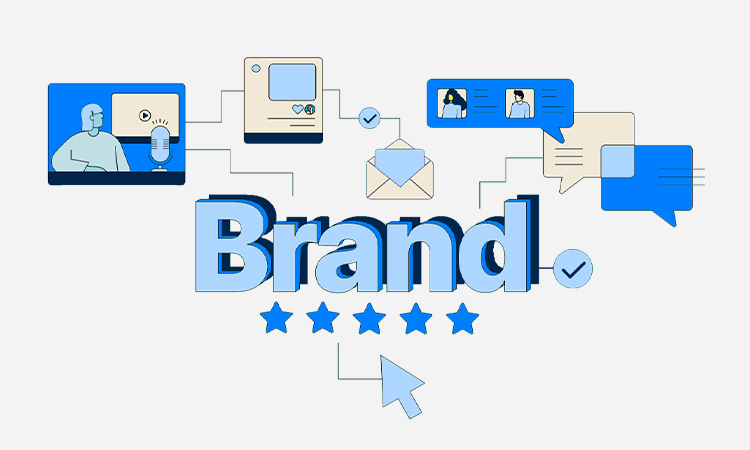
As a major part of CEO reputation management, executives must maintain brand consistency for their professional authority. From ensuring a unified and authentic voice across LinkedIn, media coverage, and personal websites to conveying the same brand messaging across platforms, these specific strategies cover every important technique.
- Maintain Unified Messaging across All Online Platforms
To maintain a unified messaging across all online platforms, you need to:
- Firstly, develop a ‘one-pager’ or brand book where you will add details regarding the executives’ voice, core themes, and key talking points.
- Don’t forget to periodically check LinkedIn, X, personal websites, and company biographies to ensure the bios, headshots, and messaging are consistent.
- Identify 3-5 core trending topics to represent your thought leadership. Always ensure that all the content perfectly aligns with these themes.
- You can schedule your content by using helpful tools to maintain consistency in content posting.
Strategy 6: Manage Your Search Engine Results

To manage your search engine results and ensure the first page of search engine results shows your executive reputation and online presence in the best possible light. From auditing, optimizing, and navigating the first page results to building an authoritative reputation as an executive or CEO, search engine result page management covers all the necessary strategies.
Here is a quick guide on how you can proactively manage your search engine results as a major part of your executive reputation management strategy plan:
- Optimize Your Personal Branding for SEO
When you build a strong, authentic, and consistent personal brand for your executive presence, it ensures that your name ranks higher whenever someone searches for it online.
- Audit your brand search engine results – You need to search for your name online in incognito mode. Among the results, you need to analyze the top three pages, especially the first few results of the first page, to track accuracy, identify public sentiment, and leverage opportunities.
- Create a website for your personal professional presence – You can also register a domain using your name, which will give you a high-ranking asset you completely control.
- Optimize Social Media Profiles – Executives need to update LinkedIn, X, and their professional bios on their social media profiles. You can use consistent, clear, and professional photos, along with bio keywords that perfectly showcase your expertise as executives. Your social media posts with maximum engagement are more likely to rank on relevant search engine results.
- Leverage high-authority platforms – Your profiles on LinkedIn help you rank highly in search engine results. You need to ensure all the profiles are complete and interlinked with each other.
- Claim your professional name – You can employ tools to find and register your name across various social media networks, and claim your name as an executive of a renowned organization.
- Navigate Your First Page Results
The primary aim of navigating the first page results is to fill all ten blue links on page one with the content you approve. You need to build high-quality content around specific topics for which you want to be known as an executive. We suggest that you create content like whitepapers, blog posts, and interviews.
You can also use schema markup on your personal website to signal to the search engines that all your social media profiles, articles, and websites are aligned with your professional presence and identity.
We suggest that you optimize your content for ‘People Also Ask.’ For this, you need to identify the common questions that people mostly ask about your role in the industry. To rank and promote the content, you can also encourage authoritative links from reliable sources, industry publications, and business partners.
Strategy 7: Effectively Handle Negative Content
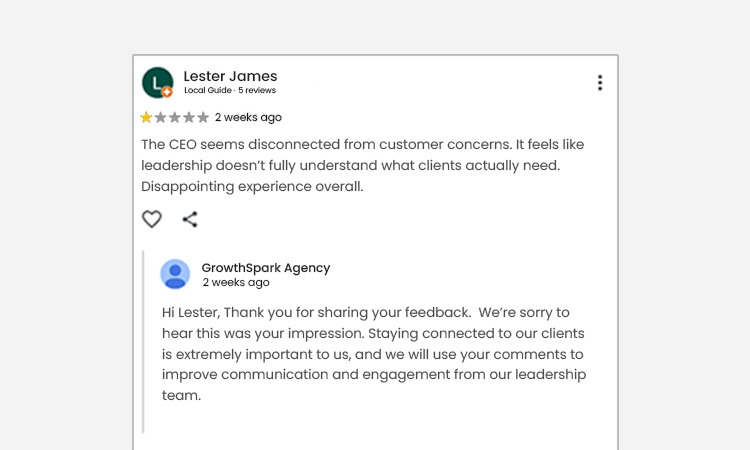
As an executive, you can also experience negative content against you going viral online. Such instances can be majorly damaging to your online reputation. It requires you to either remove or suppress the content before it causes extreme reputational damage to your online reputation. Apart from this, you can take legal action against the individuals who have shared the negative content online.
- Implement Content Suppression and Content Removal Strategies
Here are some strategies to follow for content suppression or permanent removal:
- Contact the website owner: You need to contact the website owners to request that they remove the negative content from the source. You can even employ some content reporting tools to flag the content for the platform policy violations.
- Use Google content takedown tools: Another strategy is to submit requests to Google for removing the private, confidential, and outdated information that is damaging your executive reputation. You just need to use Google’s legal or content removal forms to submit your concern.
- Use Effective Suppression Techniques: The best possible way to suppress the content is to create and share positive content about your expertise. When the positive content ranks higher, it will push down the negative search results on the first page of search engine results.
- Activate Social Media Profiles: You need to maintain consistency in terms of the major social media profiles, as these are high-authority platforms that easily outrank negative content when they’re regularly updated.
- Distribute Press Releases: Executives and CEOs need to create YouTube videos and press releases to dominate the online search results. This can help you push down the text-based negative links.
- Consider Legal Techniques
If removal or suppression doesn’t work, executives need to consider legal techniques to permanently take down the negative content through legal means.
- Cease and Desist Letters: You need to send a formal letter to those who have shared the negative content. It will compel the individuals to remove the defamatory, untrue, or private content without any requirement for complete litigation.
- Defamation/Libel Laws: You must engage counsel to file the civil suits for monetary damages and permanent injunctions against the defamatory and negative content.
- IT and Privacy Laws: In certain jurisdictions, executives need to leverage laws like Section 79 of the IT Act or ‘Right to be Forgotten’ precedents to signal to the platforms to take down the defamatory or privacy-violating content.
- Formal Retractions: As an executive, you need to request formal retractions to remove the false news articles and rectify the reputational damage.
Strategy 8: Manage Your Online Reputational Crises

When you lead an organization, it makes you more likely to face various crisis situations. Your years of effort to build a solid executive reputation can be destroyed by an online reputational crisis.
During a crisis, you need to proactively manage your online reputation, constantly monitor your reputation, and ensure ethical leadership. It allows you to send quick, transparent, and empathetic responses to crises like personal controversies, corporate scandals, and social media backlashes.
- 3 Types of Reputation Crises CEOs and Executives Can Face
The following are three major types of reputation crises that executives and CEOs may face:
- Personal Controversies – Past social media posts, ethical lapses that later became public, inappropriate personal behavior
- Social Media Backlash – Missteps in public communication, already spread misinformation, fake news, trolling, or social media boycott
- Corporate Scandals – Large-scale reputational crises, such as data breaches, high-profile leadership scandals, lawsuits, and product recalls
- A Crisis Communication Framework for CEOs and Executives
This is a structured approach – a crisis communication framework for C level executives. Follow the crisis communication framework to proactively manage a reputational crisis.
- Create an Immediate Crisis Response Strategy
Firstly, you need to create an immediate response to the reputational crisis. A proactive strategy is important to act mindfully during a crisis. Below is a quick guide on how executives can create an immediate and effective crisis communication strategy:
- You need to create a specialized team, including communications, HR, legal, and operations specialists, to handle the situation.
- The first 24-48 hours after a crisis occurs are critical; you need to create a proper crisis response plan to act at the right time.
- You need to issue an immediate holding statement to show your awareness.
- Don’t forget to gather facts and figures, using the digital PR to push down the negative search results and highlight your verified information.
- Follow Crisis Communication Principles
These are three major types of crisis communication principles. Let’s have a look:
- Transparency – To maintain your transparency, you need to be honest, take responsibility for the inconvenience caused to the clients, and avoid defensiveness while responding to a crisis.
- Speed – You need to take instant actions to prevent the crisis from escalating further. If you stay silent for at least 24 hours after a crisis occurs, it can fuel misinformation spreading.
- Empathy – You must address the emotional impact of the crisis that occurred and the inconvenience experienced by your customers and other stakeholders.
Strategy 9: Engage with Followers on Social Media

Last but not least, executives need to engage with their social media followers as well. Here’s how CEOs and executives can do it:
- Choose the Best Platform for Yourself
The ideal platform you choose as part of your executive reputation management depends on your target audience and your content nature.
- LinkedIn – Ideal for B2B marketing, establishing thought leadership, and professional networking.
- X – Best for real-time updates, providing quick customer service, and joining the industry conversations.
- Facebook – Suitable for community building and reaching a diverse demographic through personal stories and Live sessions.
- Instagram – Great for visual storytelling, using short-form videos like Reels, and reaching a younger demographic.
- Select the Most Suitable Types of Content to Post
Now we will talk about the type of content you must consider sharing on your social media profiles:
- Leadership Lessons – You must leverage your personal stories and career advice to make your personal brand unique and build authority.
- Insights and Opinions – Executives must share authentic, thought-provoking questions and real-time learnings to encourage more feedback and a deeper connection.
- Industry Trends – You must post about their current shifts to stay relevant in the industry and establish yourself as an expert resource in the field.
- Implement the Best Follower Engagement Strategy
We all know that engagement is a two-way street. If you encourage your followers to actively participate in your social media activities, and they avoid engaging in them, it will be of no use. On the other hand, if you rarely stay active across your social media profiles, your followers will be less likely to engage with your activities.
- Interact with Followers
As an executive, you need to promptly and thoughtfully respond to every social media comment you receive. Don’t forget to respond to the messages as well to showcase that you value their input. You can use the interactive features of various social media platforms, such as polls, quizzes, and Q&A sessions, to encourage participation from your social media followers.
- Publicly Handle Criticism
To effectively handle criticism, you need to address the negative feedback first, as well as the controversies. It will help you publicly acknowledge the concerns, humanize your brand, and showcase your accountability for the crisis.
5 Most Helpful ORM Tools for CEOs and Executives
Certain tools can help simplify your executive reputation management strategy plan. By utilizing them, you no longer need to perform certain practices on your own.
Below, we have mentioned the top 5 online reputation management tools CEOs and executives must employ:
| Tool Name | Features to Use |
| 1. Google Alerts | ● Provides real-time notifications for each review and online mentions you receive at no cost. ● Provides an essential “early-warning system” for basic crisis detection. |
| 2. Brandwatch | ● Provides real-time trend tracking, sentiment analysis, and competitor benchmarking features. ● Analyzes consumer emotion, identifies crisis risks before they escalate, and tracks the company’s “share of voice”. |
| 3. Reputation.com | ● Designed to collect, analyze, and track customer reviews and sentiment across search engines. ● Boosts local search rankings by turning customer feedback into a “reputation score”. |
| 4. Meltwater | ● Offers a complete overview of brand mentions across news outlets, social platforms, and AI models. ● Helps monitor how LLMs portray you as an executive. ● Provides real-time notifications for potential PR crises and analytics. |
| 5. Sprout Social | ● Helps executives build their personal brand on LinkedIn and provides social listening tools. ● Offers a unified social inbox, robust collaborative tools, and real-time sentiment alerts. |
5 Common Mistakes to Avoid in Online Reputation Management for CEOs and Executives
Do you know that making certain mistakes can destroy your years of effort to build and manage your executive reputation across the web?
While maintaining a positive online reputation is crucial for executives and CEOs, mostly because their personal reputation is perceived as indistinguishable from their company’s value – this is not true. Identifying the mistakes can help you avoid them and safeguard your executive reputation online.
Here is a list of 5 common mistakes that you must avoid while managing online reputation:
- Ignoring Digital Presence
Many executives and CEOs ignore their digital search presence by not being active online. They often believe that it will keep them safe, but actually, it creates a ‘reputation vacuum’ that allows the public to define their brand narrative as an executive.
They often avoid monitoring their name and ignore employee feedback on major employment sites like Glassdoor. They often have an outdated or nonexistent LinkedIn profile as well.
- Sharing Over Promotional Content
As an executive, you shouldn’t promote your company’s offerings on social media. It’s a platform to build trust and authority with your followers; you shouldn’t use social media platforms as a billboard for your product advertisements.
Additionally, you shouldn’t use social channels to promote your company’s press releases and sales content, as it can feel robotic and lack authenticity.
- Poorly Handling Crisis
Crisis can occur at any time – if you ignore them or poorly handle them due to a lack of a crisis communication plan. Slow responses or defensive reactions during a crisis can turn a small issue into a reputational disaster for you as an executive or CEO of an organization.
With the fear of experiencing reputational embarrassment, executives or CEOs are more likely to delete negative comments, ignore bad reviews, stay silent, act defensively, and respond in an angry tone in public forums. All these actions can escalate a reputation crisis even more.
- Delegating without Oversight
We know that it’s practical for teams to assist with social media. But the total delegation of executive presence is dangerous.
Executives and CEOs often hand off all the social media activity to their junior staff or agencies without setting clear brand guidelines or reviewing the situations on their own. It can lead to major inconsistencies when it comes to online reputation management.
- Inconsistent Messaging
If your brand messaging is inconsistent across online platforms, your stakeholders may lose trust in your reliability as an executive. Executives and CEOs often use different tones on LinkedIn versus Twitter (X) or fail to align personal posts with their company’s official stances.
This inconsistent messaging can create confusion among your stakeholders and target audiences, often questioning their brand credibility as an executive.
FAQs
Here are some frequently asked questions and answers related to online reputation management for CEOs and executives.
Ans. You need to systematically analyse an executive’s digital footprint, social media, and market perception to detect potential reputation risks as well as opportunities. Firstly, you need to search for your name as a CEO through the incognito mode of a browser, review your social media profiles and recent media coverages, benchmark against peers, and assess sentiment on major online platforms like LinkedIn.
Ans. The very first step you need to take is to conduct a comprehensive and honest audit of your executive reputation – what is being said online about you and your company. You should not immediately react to the online negativity, but rather try to find the root cause and take conversations offline to avoid online arguments. You can also flag inappropriate content and develop positive content to improve your search rankings.
Ans. Among all the social media platforms, LinkedIn is one of the most suitable social media platforms for CEOs and executives, especially to build a strong professional network, thought leadership, and client trust. Apart from LinkedIn, CEOs and executives must prioritise X and Instagram for broader engagement and direct stakeholder communication. These two platforms are best for sharing behind-the-scenes content and personal insights.
Ans. When you don’t have enough time to invest in managing your CEO or executive reputation, you can implement a strategy based on automation, proactive, high-impact actions, and strategic delegation. Such strategies can help you to move from manual and reactive monitoring to automated and proactive CEO or executive reputation management.
Ans. Brand reputation refers to the intentional image, customer perception, and messaging a company showcases about its products and values. It specifically focuses on customer trust and loyalty. On the other hand, executive reputation is specifically perceived as credibility, leadership, and integrity of a company’s leadership team, including the CEO and executives. It influences employee retention, your overall company’s brand, and your stakeholder confidence, especially during a crisis.
Conclusion
If you hold a position of a CEO or an executive in an organisation, achieving a positive reputation is crucial for you to attract investors, top employees, and other stakeholders. A great reputation across the virtual landscape can help you make yourself appear in the best possible light as an executive.
From generating and managing reviews to effectively handling reputation crises, Executive reputation management requires you to implement certain proactive strategies. We hope that our comprehensive online reputation management guide will help you achieve your desired online reputation and grow your company worldwide.
If you’re still skeptical on developing a robust ORM strategy plan, you can hire professional and tailored services from a reliable online reputation management agency.

