





Imagine someone feels stuck in their career, relationships, and life in general. A friend mentions they saw a great astrologer online, and now this person is on Google typing your name and scrolling through the results.
What does this person see?
Perhaps a 3.2-star rating, a forum thread wondering if you are legitimate, and maybe a couple of old reviews that no one bothered responding to. After a moment contemplating these findings, this individual decides to move on to the next astrologer in the search results.
In most cases, that decision takes less than 10 seconds, and you never know you lost the client. That is where ORM for astrologers enters the picture. Professional online reputation management can help shape how you appear across search results and reviews.
With nearly 98% of people reading online reviews of local businesses, they have formed an opinion of you before interacting with you.
Astrology is different from things like law and medicine. It does not have universal acceptance. So most people coming to you will have a combination of curiosity, cautious hope, and, in some cases, extreme skepticism about what you will say to them.
You will be judged by the person seeking your services before you share wisdom and insights with them. In this blog, we will explore what ORM for astrologers is, why it matters, what damages reputation, and how to manage it effectively.
What is ORM for Astrologers?
ORM for astrologers is the process of managing reviews, search results, and online content to influence how potential clients perceive your credibility before they contact you.
For an astrologer, it’s necessary to look at various aspects of one’s online presence. The first aspect of astrologer reputation management is found in Google search results. What is seen on page one of Google upon someone searching for your name? A cleanly designed website? A poor review in a directory? A forum thread from Reddit? The first page of Google is like your first handshake with a future client.
Then there are review sites (Google Business, Yelp, and Trustpilot) that provide an overall impression of your business from former clients. Review sites can also be created without your registration on the site.
Social media is another opportunity to shape your perception. Instagram, Facebook, YouTube, and others: how you are presented in these networks impacts people’s perception of you.
Content is another consideration when developing a complete picture of you from the search results on Google in 30 seconds. Blog posts, podcasts, interviews, and YouTube videos all contribute to the perception people develop of you.
A common misconception is that ORM is about removing any negative information about yourself from the Internet. This is usually not a realistic goal to accomplish and pursuing it is usually an exercise in futility.
You cannot fully control your online presence, but there are ways to shape what people see when they look for you or your business.
What ORM for Astrologers Means for Your Business
When your online presence consistently signals credibility, hesitation drops and decision-making becomes faster. This directly impacts how many inquiries turn into actual bookings.
- Increased conversion rates: A positive image equals more bookings. People are more likely to reach out to an astrologer they believe to be credible than to one who has more experience. A single negative listing on the first page of Google can cost a business approximately 22% of its customers. Conversely, if there are only positive listings on the first page, that page can be viewed as an extremely effective form of marketing.
- Trust on a large scale: Word-of-mouth is a powerful marketing tool, but it can take time for the word to get around. Astrologer reputation management provides you with the ability to create the equivalent of a trusted recommendation at once for many individuals through reviews, content, and constant presence.
- Control over the damage caused by negative information: Negative information will not disappear—some information lasts a long time; however, over time, it will become diluted. If you build a foundation of positive reviews and content, a single piece of negative information will no longer dominate what is seen on the first page of search engine results.
- Pricing Advantages: Client trust enables you to charge higher prices. They are less likely to negotiate, doubt your prices, or leave halfway through all your packages of services.
What Actually Damages an Astrologer’s Reputation
- Unmet Expectations
This is the most frequent and largest contributor to reputation damage and is not usually anyone’s fault. Astrology is about interpretation.
If a client hears something like “you are going to have relationship challenges,” and they expect to hear their ex’s name, they feel disappointed. Because there is a large gap between what they expected from reading and what they actually received.
If expectations are not explicitly discussed prior to a reading, clients are likely to have unmet expectations.
- Negative references and refund disputes
In the astrology space, one common issue is refund disputes. Since the industry isn’t regulated, clients often feel they have purchased something but do not have an appropriate standard to measure its quality. In return for their money, many clients leave a review. According to InMoment research, 94% of consumers will not purchase from a business if they see negative references on social media. One negative reference, if easily available for others to see, could hurt your business significantly.
- Fake reference suspicion
It can cut both ways. When all of your references are five-star references with very similar writing, people pick up on it. Just in 2024, Google has stopped roughly 240 million fake or policy-violating references, and people are becoming aware of what a fake reference looks like. Bizarrely enough, having a few one-star reviews with five-star reviews makes you more trustworthy.
- Viral snippets and atypical references
A thirty-second video of a prediction that might not have come true or an erroneous quote on Twitter. Social media quickly turns a short video or still image into a reference that never goes away. This is especially true for astrologers who create video content or give speeches. The possibility of a small portion of your work becoming detached from the rest and going viral is a huge risk.
- Forum discussions (and this one matters a lot)
Most astrologers don’t realize how important it is to be aware of what happens in forums until it’s too late.
Reddit threads and Quora discussions about astrologers often appear on the first page of Google search results. This matters because users actively turn to platforms like Reddit to find unfiltered opinions and real experiences, often even adding “Reddit” to their searches to validate what they see elsewhere.
Reddit threads and Quora posts mentioning astrologers or their services often appear on the first page of Google search results, with 2 in 3 people saying that they use Reddit for search purposes. This makes it even more important that any negative threads like “Has anyone had a bad experience with [X]” also rank on the first page of Google search results for many months.
Consider the stress of waking up, finding your name is being searched for on a trending thread about your lack of credibility as an astrologer, and not having any way to remove it. This has happened to many astrologers and is one of the hardest reputation challenges to manage.
What People Check Before Booking an Astrologer
- Google search results
The first step is to search. BrightLocal’s 2025 data shows that 83% of customers use a search engine to search for businesses like yours and read reviews before they book with you.
- Read negative reviews
When reading reviews, people don’t read the positive five-star reviews first; they skip to the worst review. They want to see the absolute worst-case scenario. They also read the responses to the reviews as well. Studies indicate that 55% of consumers feel positively towards a business when they see the owner reply to reviews, which means that part of managing your reputation is how you respond to negative reviews.
If there is a negative review with no response, it shows people that you don’t care or can’t handle negative feedback. Neither option builds much of a positive image for you.
- Social proof inconsistencies
If a visitor to your site finds that your site looks polished and professional and has testimonials, but when they visit your Instagram page, it has not been updated in eleven months and only has eighteen followers, an unease is created. The inconsistency between your website pages and your Instagram page leads to questioning: Are you simply not active? Did you pay for those reviews?
- AI search is changing the game
Consumers are now using AI assistants with search requests such as “Find me a good astrologer in my city” or “What do people say about [business]?” AI tools aggregate reviews, blog posts, internet directories, etc., from indexed web-based content for the specified request and may have the potential to provide a list of businesses matching the requested search.
While AI is not yet the most-used search tool, it is getting more popular. Establishing a solid online presence that is consistent with consumers’ requirements improves your potential to be found through AI searches.
How ORM for Astrologers Works (Step-by-Step Guide)
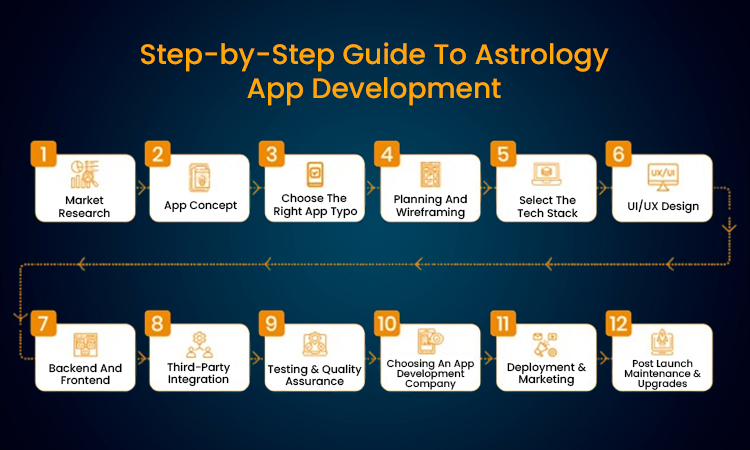
Before doing anything else, please be aware that astrologer reputation management is not a fast process; anyone who says otherwise is either lying or trying to sell you something.
- Audit Your Current Online Presence
Before you can begin astrologer reputation management, you need to see what your current online presence looks like. To do this, open up an incognito browser and type in the following searches:
- Your name
- Your name + reviews
- Your name + your city
Make note of all results that show up when searching for your name, including all pages of results. In addition to the above, check the following resources for happenings:
- Google My Business
- Yelp
- Spiritual/Holistic Directories
- Any forum threads that include your name
At this point, you should have a relatively complete picture of the positive information around your name, the neutral, and the negative types of online content concerning you.
- Establish a Solid Review System

Reviews aren’t spontaneous; they’re created by you requesting them and doing so on an ongoing basis.
The timing of your request is critical. Request a review when the experience is still fresh in the client’s mind, right after their session ends. An example message would be, “I would appreciate hearing what you thought about your session. Would you be willing to leave me a Google review?” Most clients who enjoyed the experience will leave a review simply because you are encouraging them.
One major caution: Do not use falsified testimonials. Falsified reviews cause prospective buyers to lose confidence in a business and the platforms have become very proficient at identifying these types of reviews. There is no amount of short-term gain you may receive by using false reviews that is worth the risk to your reputation.
You should respond to every review, regardless of whether it was a positive or negative review. Your responses should be professional, contain specific information regarding the details of the review, and be associated with real humans as opposed to using prewritten responses. Sending a personal response to a positive review takes 30 seconds and tells future prospective buyers that you will be engaged with them.
- Develop Positive, Consistent, And Controlled Content Marketing
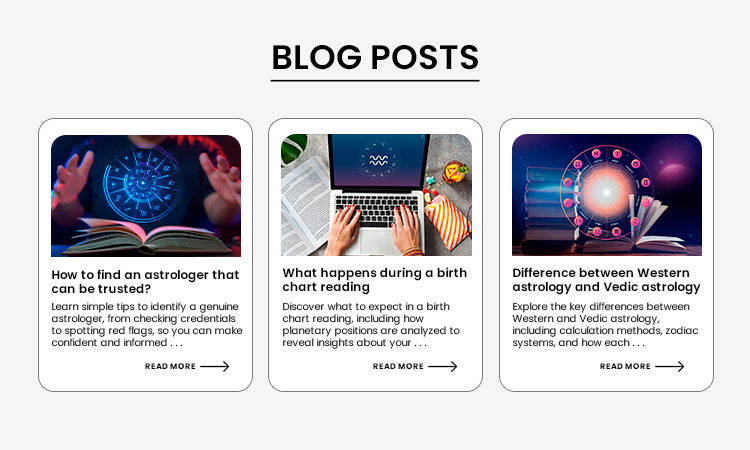
Publishing regularly through blog posts, YouTube videos, podcasts, interviews, etc., on the topic of astrology provides sufficient new content to replace the negative articles on the first page of your search results with positive ones.
When you have multiple ranking assets like a website, a YouTube channel, two directory profiles, and a recent interview, it becomes much harder for negative content to dominate your presence. As a result, it is more difficult for an unfavorable thread to stay on the first page of search engine results pages (SERPs).
It is slow to create content, but it is the most effective ORM strategy available that helps protect your reputation for the long term.
Choose the correct topics for your prospective clients to search for, like
- How do I find an astrologer I can trust?
- What happens during a birth chart reading?
- What is the difference between Western astrology and Vedic astrology?
Creating relevant and specific content will enhance your credibility and increase your visibility on search engines.
- Responding to Negative Feedback Appropriately
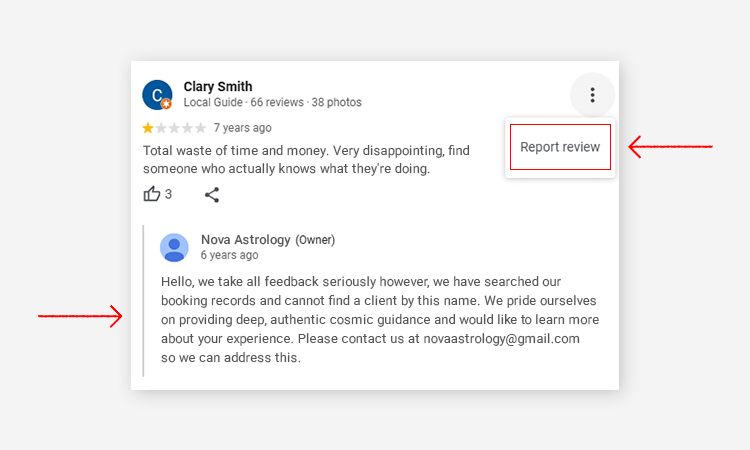
This is where many practitioners fail. It’s natural to feel defensive regarding an unfair or inaccurate review. Resist that urge.
Stay calm, acknowledge the experience, and offer a resolution where applicable, all while keeping it brief. The purpose of your response is not to convince the reviewer of your point of view but to demonstrate you are a professionally qualified practitioner and know how to deal with criticism. Properly responding to an unfair review can help enhance your overall reputation.
In cases where an unfair review is obviously fake or defamatory, report it to the review site along with any supporting evidence, but never argue with the reviewer.
- Monitor Your Reputation Regularly

Manage your reputation by using tools like Google Alerts and checking review sites for astrologers at least once per week. If you want to monitor your business more comprehensively, consider using advanced monitoring systems like Brand24 or Mention that can track and identify mentions of you or your company across social media or discussion forums in real time.
Timeliness is critical when it comes to monitoring your reputation; the longer a negative thread has been around, the harder it is to fix than if you can identify the negative thread quickly. Reputation issues aren’t typically resolved on their own; they just grow worse.
- Build Up Credibility Signals
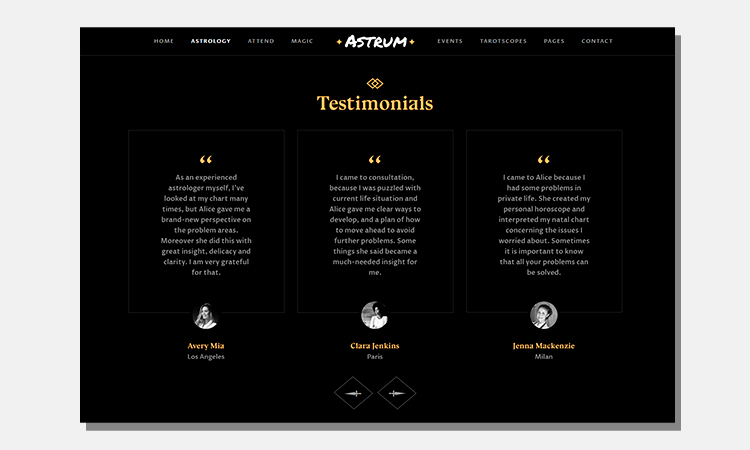
In addition to reviews, consider what other factors or indicators lend credibility and create trustworthiness for your business. For example, you should have consistent branding across all of your social media channels. You should also have a complete and professional website that clearly outlines what you do and your level of expertise. When possible, include testimonials whenever you can. Certifications and continuing education should be clearly cited.
If you have received any media exposure, it should be displayed on your website as if it were a badge. If you’ve given a presentation, cite it as a credential for your expertise; having a reputable person in the wellness community support or endorse you can help you develop your reputation.
Credibility is something that you build over time. Every single credibility signal that you publish or promote makes the next credibility signal that you publish or promote harder to accomplish. This is a long-term process, so because it takes effort to grow your reputation, it is good to know that the astrological signs of those who are willing to work at building their reputation through time can see their efforts pay off.
Common ORM Mistakes Astrologers Make
- Deleting negative reviews: Many times this is not a realistic goal. Trying to delete a negative review can detract from the actual solutions that are out there. Negative reviews that do not violate platform rules will continue to exist. Therefore, they should be suppressed rather than chased after.
- Ignoring bad reviews: If you leave a negative review without responding, the visitor who looks at your site will see your lack of acknowledgement or attention as a sign that you do not care. Studies show that when a negative review goes unaddressed, 63% of customers lose confidence in the establishment in question. Therefore, responding is not optional; it is a paramount example of ORM.
- Fake testimonials: Review platforms are getting better at identifying these as well as consumers with savvy. When all of your reviews are consistent with marketing terms, you should question how often you are being reviewed.
- Emotional responses: This is common. In response to the unfairness of a negative review, you want to write a defensive response of two to three paragraphs. This defensive response is linked to the negative review for all time and can create problems for you in the future. Write a response, sleep on it, and rereview it.
- ORM is not a one-time action: This is likely the most common mistake when working to improve your reputation. Your reputation cannot be established and then you stop working on it. New reviews are added, new forum threads are created, and search results change. ORM is not a one-time occurrence; it is a continuous process.
Trends in Online Reputation
- Video-First Trust
People now weigh the opinions of practitioners based on their being included in YouTube and TikTok videos. A practitioner can show their approach and philosophy and even answer frequently asked questions about their style of practice in a video, which is trusted more quickly than five paragraphs of text. In a recent study conducted by BrightLocal, over three-fourths of US consumers use video content to research a local business.
- Growing Skepticism
People are now better able to detect inauthenticity, and the astrology community already has its fair share of public skepticism. This growth in skill level is more pronounced here than in other areas. People can quickly identify general or cookie-cutter profiles and reviews that sound fake. Therefore, the weight put on genuine content and personal interaction or engagement is greater than what would be placed at a more polished production level.
- AI-Related Concerns
The emergence of AI-generated images and audio is a growing concern for all public figures. For example, a video clip created by an astrologer saying something the astrologer never actually said could spread very quickly before the actual video is associated with the original.
- Reviews Are More Influential Than Ads
For the vast majority of products and brands, 93% of consumers state that their opinions about a brand have been influenced by online reviews and that this number is generally higher than what consumers would consider paid advertising influence.
FAQs
Ans. To enhance an astrologer’s online reputation, it is necessary to generate consistent reviews and respond promptly to any feedback. Publishing credible content is also essential. In addition, the astrologer must maintain constant engagement on all online platforms, consistency of messaging through all platforms, and professionalism that addresses any instances of negative feedback to foster continued trust over time.
Ans. ORM (Online Reputation Management) for astrologers is the process of improving how your name, brand, reviews, ratings, and online mentions appear across search engines, review platforms, social media, and local listings. It helps increase bookings by building trust, reducing negative visibility, and making your online presence look more credible to potential clients.
Ans. Astrologers often face online reputation issues such as fake or negative reviews, low ratings, complaint-based search results, inconsistent business information, inactive social media profiles, and lack of visible positive testimonials. These problems can reduce trust, hurt search visibility, and directly impact consultation bookings by making potential clients hesitant to choose their services.
Ans. Yes, ORM can help astrologers recover from a reputation crisis by managing negative reviews, false allegations, harmful online mentions, or bad publicity. It works through timely response management, reporting fake or misleading content, improving positive search visibility, and rebuilding trust across search engines, social media, and review platforms. This helps restore credibility and protects future bookings.
Ans. Yes, ORM and SEO often work together. ORM improves your astrology brand’s search visibility, while SEO helps your astrology website or business profiles rank higher. A strong reputation can improve user trust signals, click-through rate, engagement, and conversions—factors that indirectly support stronger online performance.
Ans. No, ORM is even more important for local and independent astrologers, because a few bad reviews or weak branded search results can significantly impact trust. Smaller astrology businesses often rely heavily on digital credibility to win new consultations.
Conclusion
ORM for astrologers can be boiled down to how you shape people’s perception of you and what they see before they even talk to you. You can’t ignore the fact that the internet is filled with opinions. Your goal is to ensure that anyone searching for your name sees things that truly reflect who you are as an astrologer and how you have established trust with your real clients.
Trust is established long before your first meeting with someone. This is not a new phenomenon, but it’s happening in a different venue than it did before. When someone finds a well-developed, well-reviewed, content-rich presence online, they are already somewhat convinced that you are the right astrologer for them before they hit the “Book a session” button. If they find you have little or no visible presence or if your presence shows contradictory information, they will leave.
People make their decisions in seconds. Your online presence is speaking for you before your mouth does.If you’re serious about growing a practice that attracts clients that match your values, work with a reputable reputation management company that has expertise on both the technical aspects of getting visibility in search engines and the human aspects of building trust.

