





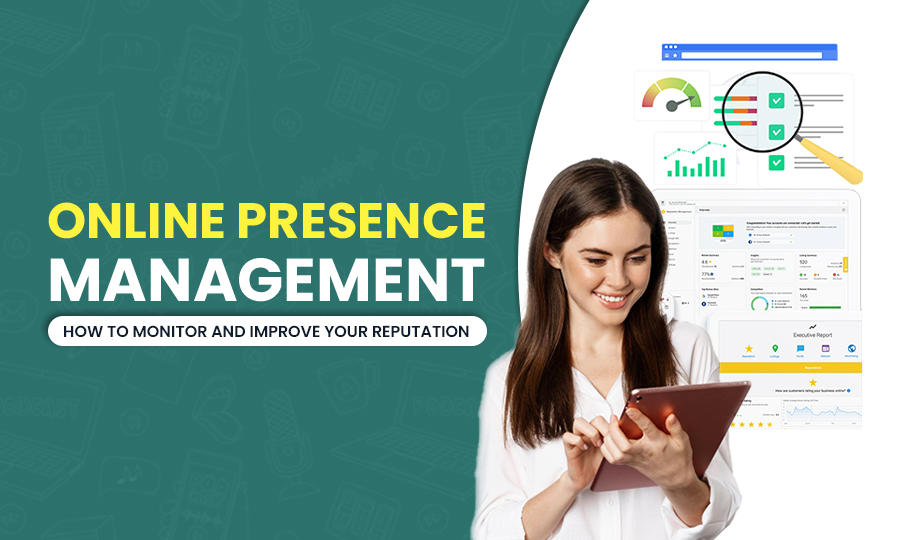
How you, as an individual or your business, appear online plays a huge role in determining whether your potential customers or stakeholders will show trust in your skills and expertise. While a poor or invisible online presence can leave a negative impression of your individual or brand identity, a robust one can help you attract new customers and showcase your expertise in the best possible light across online platforms. Effective online presence management strategies can help you build your desired online positioning and digital reputation.
No matter how premium your offerings are and how many benefits these provide to the customers, if you don’t have a noteworthy online presence, you’re almost invisible to a lot of your potential customers – you’re irrelevant.
Your online presence is the first thing your potential customers will come across, so it’s important to prioritize building a robust web presence and capturing your target audience’s attention. Proactive techniques to manage online presence are no longer an optional strategy; it’s a non-negotiable plan for professionals and businesses to grow their digital image.
In this blog, let’s explore how you can build and manage your individual’s or business’s online presence.
What is Online Presence Management?
It refers to a strategic and proactive process of building, managing, monitoring, and protecting an individual’s or a business’s digital identity and positioning across online platforms. Proactive digital presence management strategies can help you drive your desired traffic to your own website, online profiles, and even to your physical store, if any.
You can build your brand credibility, ensure consistent branding, and establish a positive reputation across review sites, news sites, online directories, online forums, and social media platforms.
Why Is Online Presence Management Important?
No matter whether you’re managing an individual’s or a business’s online presence, it’s important for you to know why it matters to your personal and professional growth. Your digital footprint will leave the first impression on the online searchers. Always remember that your online presence is a 24/7 storefront and digital reputation hub.
Managing online presence is not just about having a website—it’s about shaping how you, as an individual or your brand, appear online, are perceived, and are interacted with when someone searches for keywords relevant to you or your business. Let’s have a look at the reasons why digital presence management matters:
- Improves Online Visibility
Is your business discoverable online when someone searches for relevant keywords or services/products you offer? When you have a prominent digital presence, it makes you or your business easily discoverable by online searchers or potential customers.
Effective digital reputation management techniques require you to regularly optimize your web presence to rank higher in search engine results, which is directly linked to enhanced online visibility.
- Builds Trust and Credibility
Your potential customers are more likely to search online before purchasing from your company. So, they will mainly rely on online reviews and a professional web presence to judge your expertise and reliability.
Effective web presence management allows you to monitor and respond to the reviews and online perceptions actively. Apart from this, it requires you to strengthen your website’s presence, as it serves as headquarters, promoting your expertise and brand credibility and building your potential customers’ trust.
- Helps Navigate Your Brand Narrative
Strategic management of your online presence can help you control the entire story around your brand across the online world. It prevents the negative perception or unaddressed negative sentiment from controlling your brand narrative and leaving a poor impression.
An effective strategy plan helps you maintain a uniform voice and image across all the online platforms, which significantly strengthens your brand recognition. Additionally, proactive management of negative feedback can help you reduce potential damage to your brand equity.
- Drives Conversions and Revenue
Effective internet presence management helps you establish a strong online positioning that directly influences the purchase decisions of your customers. Your potential customers will be drawn to your expertise when they encounter your strong online presence as a business or an individual.
A robust online presence is directly associated with guaranteed conversions and great revenue growth. It will turn your website visitors into loyal paying customers. Effective digital marketing efforts, including targeted ads, are some of the cost-effective ways to deliver better returns.
- Enhances Customer Engagement
There are some digital platforms that facilitate instant and two-way interaction. When you, as an individual or a business, have a strong online presence across those digital platforms, they will create closer relationships with your online audience.
This enhances customer engagement with your business by strengthening real-time interactions via social media comments, DMs, and chatbots. Effective strategies require you to improve your customer interactions and instantly respond to them, which boosts your brand’s online presence.
6 Key Elements of Online Presence Management
Proactive digital presence management requires you to build a cohesive strategy plan to boost your technical website excellence, consistent social media engagement, and strategic search visibility. To develop a solid plan, you must have a clear idea of the elements of digital presence management.
Here is a list of 6 major elements of digital presence management:
- Website Optimization

Always remember one thing: your website is the one-stop hub of your online presence, no matter what business you own. You cannot compromise on having a professional and well-optimized website.
- Mobile-friendly Design
According to a 2026 Statista study, mobile devices account for almost 52.27% of global website traffic. With the increasing usage of the internet, your website must have a responsive design. It should seamlessly function across all mobile devices, regardless of screen size. Additionally, the visitors must easily navigate the website through their mobile’s touch-friendly buttons.
- SEO Security
We suggest that you implement HTTPS for your website’s security. A clean and structured site URL can help you rank higher in search engine results for relevant keywords and search queries. You must use descriptive meta descriptions within 150 characters for all your website content and implement descriptive alt texts to optimize your website images.
- Fast Loading Speed
Your website must load within 3 seconds – it should prevent high bounce rates. A website that loads fast always meets Google’s user experience benchmark, such as Core Web Vitals. Apart from this, a fast-loading website doesn’t let the visitors wait too much for a page to load, and prevents them from choosing your competitor over your expertise.
- Search Engine Presence
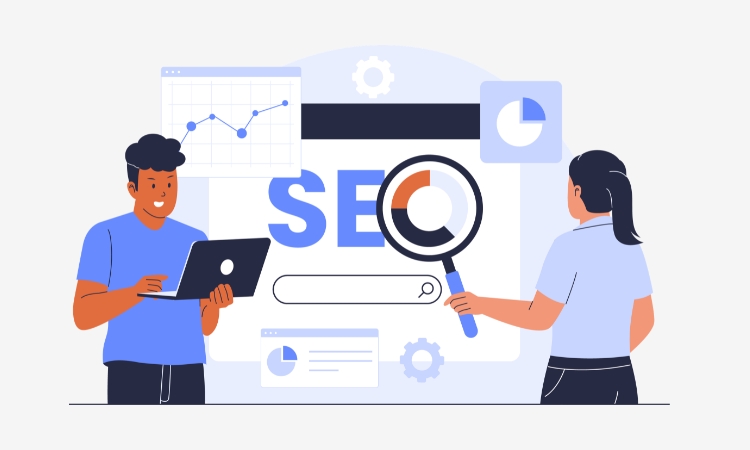
How your business appears in the search engine results plays a huge role in determining your first impression on your potential customers. A great search engine presence maximizes your business’s online visibility in the search results of relevant search queries, especially for the local ones and voice searches.
- Keyword Optimization
Don’t just stick to simple keyword stuffing – you should find relevant and trending keywords to implement them in your website content. While searching for keywords, you need to prioritize focusing on the user intent, such as what they’re trying to find. We suggest that you find long-tail and conversational keywords to make your website content optimized and rank for voice search queries.
- Google Business Profile Optimization
Business owners must create and optimize their Google Business Profile (GBP) with all the consistent and accurate NAP details (name, address, and phone numbers). A well-optimized Google Business Profile can help your local prospects find your business online. Your GBP profile must include all the information, high-quality photos, updated hours, and glowing reviews.
- Backlinks and Authority Building
Businesses should request backlink opportunities from relevant and high-authority niche sites. This is the best way to get your expertise promoted by authoritative sources in the market and reach their audience. You can build your customer trust by acquiring high-authority backlink opportunities and take your business’s reputation to a new height.
- Social Media Management
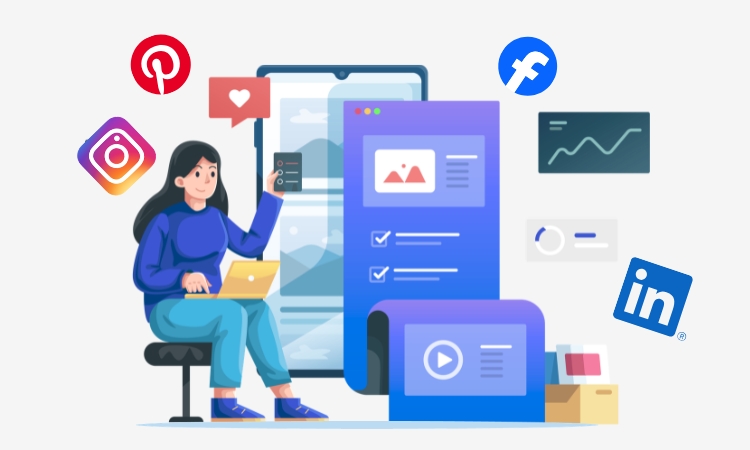
Businesses and professionals must establish a strong presence across various social media platforms. When you have a strong social media presence, it ensures that your brand is active. Based on your brand requirements, you can choose social media platforms among Facebook, Instagram, LinkedIn, TikTok, and more.
- Platform Selection Strategy
Don’t try to be everywhere, on every platform; rather, you should choose a specific social media platform to focus on. You must prioritize a social media platform where your target audience is mostly active. Choosing the right platform can help you reach out to your target audience.
- Consistent Branding
To ensure a consistent brand personality, you need to maintain a cohesive brand identity, including logo, color palette, and brand voice across all digital platforms to enhance your brand recognition. Maintaining a consistent brand identity is crucial to your online presence management efforts. Your potential customers are more likely to trust your business if they come across a similar brand identity of your business on multiple platforms.
- Content Calendar
You must use a content calendar to schedule multiple posts in advance, so that you no longer need to worry about posting every post separately. When you maintain consistency in sharing engaging social media content, it will ensure consistent follower engagement and an active online presence across all social media platforms.
- Online Reviews & Ratings

Another crucial element of web presence management is the online reviews and ratings. Do you know that search engines like Google prefer ranking businesses with higher ratings and positive reviews? Yes, the high-quality and positive reviews you receive are considered a top-ranking factor for your business, especially for Google’s local search algorithms.
- Importance of Google reviews
Let’s have a look at why online reviews are important for your business growth:
- It helps your business position as an authoritative source in your niche market.
- A 2017 Entrepreneur study has revealed that 90% of consumers read online reviews before visiting a business. Thus, when you have a strong online review profile, it signals to search engines that they must rank your business higher in their search results, so that potential customers can easily find you.
- Positive reviews build a sense of trust and confidence in your potential customers related to your expertise and reliability.
- Positive online reviews attract new customers and boost customer engagement, serving as effective endorsements and social proof of your brand’s credibility.
- How to Get More Reviews for Your Business?
Now, let’s know how you can collect more online reviews for your business:
- You can directly ask or request your satisfied customers to share online reviews related to their experience with your business.
- You can also send follow-up emails to them if they don’t respond to your review requests. However, you shouldn’t overwhelm your customers with too many review requests and follow-up emails.
- Businesses should send direct links or QR codes of review pages through email to make the review submission process easier and seamless. You can generate a direct Google review link for this.
- By employing various tools, you can automate sending the review requests and responses.
- You can promote positive testimonials and client success stories on your website and social media profiles to showcase that you truly value their opinions and encourage others to share their feedback as well.
- How to Respond to Positive and Negative Feedback
How you respond to a review plays a major role in making the reviewers feel valued, heard, and prioritized. Check out some methods to strategically and professionally respond to online reviews:
- You must respond to a review within 14-48 hours of receiving it. It will showcase that your business is active and thoroughly engaged with its customers.
- We suggest that you address the reviewers by their names while responding to their reviews, and don’t forget to show your gratitude for their positive feedback.
- If you receive negative feedback or criticism, it’s not a solution to ignore the review. You must acknowledge the negative review and apologize publicly if necessary. You should provide them with a suitable solution or ask them to have a private discussion with you or your team.
- Track the frequency of fake reviews, address them as fraudulent or unreal feedback, or report them if they involve damaging or malicious content.
- You can seek professional online review management services from a renowned agency to boost your digital presence management efforts.
- Business Listings & Directories
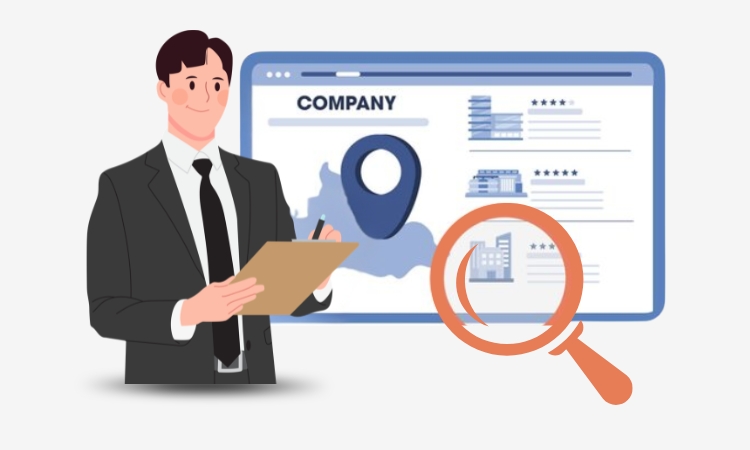
This is actually more beneficial for local businesses that are more focused on driving local prospects or driving foot traffic.
- Maintain Your NAP Consistency
You must ensure that you have an active and well-optimized Google Business Profile with all the consistent and accurate NAP information, such as the name of your business, its address, and phone number.
Apart from GBP, maintain well-optimized profiles on major review platforms, such as Yelp, Facebook, and other industry-specific review platforms or online directories. When your NAP details are accurate and consistent across all platforms, it signals to the search engines about your business’s credibility.
- How to do Local Citations?
Another thing you need to do is to prioritize local citations.
- Firstly, ensure your Google Business Profile is verified and updated based on your current business details and changes, if any.
- You need to submit all the business details to the top directories, such as Yellow Pages, TripAdvisor, Yelp, and the like.
- Monitor the online listings to track the accuracy, especially for business hours or location changes.
- Content Marketing

Last but not least, content marketing is another key element of online presence management. Through various quality content like blogs, videos, infographics, and thought leadership, business owners can build and manage a robust digital presence.
- Blogs
You should write and publish SEO-optimized, informative blogs on various topics that highlight local community involvement, stories of local people, and regional trends. Implementing relevant keywords in your blog can help your content rank higher for relevant online search queries.
- Videos
You can produce Q&A sessions and tutorials, including video testimonials, to show how your potential customers and existing customers rely on your expertise. You can also ask your team members to build a deeper connection with the audience through engaging video content. The more people feel engaged with your business, the more they will have in your expertise.
- Infographics
In between your text-based content, you should use infographics to help the audience easily understand complex information. Those infographics should be shareable and digestible as they can increase the chances of earning meaningful backlink opportunities.
- Value-driven Content
Is the content you share adding value to your customers’ concerns? You should always prioritize creating content that simply answers common customer queries and addresses the key pain points experienced by the majority of your customers. The value-driven content shouldn’t just focus on promotions; it should add value to your customers’ issues.
- Thought Leadership Articles
You should write in-depth and authoritative articles that position you or your business as a knowledgeable source in your niche market. These detailed blogs will help you showcase your business’s unique expertise in your industry.
5 Common Online Presence Management Challenges You May Experience
Just like the benefits, it’s common for professionals and businesses to face some major challenges while managing their online presence. Identifying these challenges can help you prevent their severe impact on your company’s reputation online.
The following are 5 most common web presence management challenges you may face:
- Negative Reviews
Businesses can receive negative reviews along with the glowing ones. However, negative reviews or harsh online criticism can be damaging to your brand reputation, especially if you ignore them. Businesses often face issues in handling fake reviews, falling online star ratings, and public criticism.
- Poor Online Visibility
People are turning to AI search engines to find answers to their various queries. With traditional search engine optimization techniques, you cannot build a strong online presence or enhance your brand visibility across the virtual world. Businesses and professionals can experience a major decrease in their organic website traffic and fail to make their expertise appear in the top search engine results.
- Lack of Time and Resources
If you have a lack of time to invest in your web presence management efforts, you may find difficulties in everything, as it’s an online process. Apart from this, if you don’t have a skilled expert ORM team, it will also be difficult for you to manage your day-to-day web presence management operations. Limited manpower and budget can be two major issues you may face on the path to building a robust digital presence.
- Inconsistent Branding
Does your brand reflect the same identity across all online platforms? If not, it can create serious confusion among your potential customers regarding your brand credibility and reliability. Different logos, tone of voice, and messaging across online platforms reflect inconsistent branding. If you own a fragmented brand image across different platforms, it can deter your potential customers by diminishing their trust.
- Constant Algorithm Changes
Social media platforms like Facebook and YouTube, and search engines like Google, often change their internal algorithms. So you may witness sudden drops in your online engagement or audience reach. You are required to constantly and urgently re-strategize your plan to keep up with the changing algorithms.
A Step-by-Step Strategy Guide for Effective Online Presence Management
Effective internet presence management requires you to follow a structured approach to build and manage a strong and long-term presence across the virtual world. From auditing your existing digital footprint to identifying your objectives and creating engaging content, the strategic approach covers all the proactive strategies and beyond.
In this section, we will talk about how you can build and manage your online presence:
Step 1: Audit Your Current Digital Presence
Here is a guide to perform a complete audit of your existing digital presence:
- Google Your Name/Business Name – Firstly, you need to search your name as a professional or your business name on major search engines, such as Google, Bing, and LinkedIn. You need to check the information that is public, updated, and can be damaging to the reputation of your brand online.
- Analyze Site Performance – Business owners need to track the navigation, page loading speed, and mobile-friendliness of your site. This will help you ensure a good user experience for your site visitors.
- Track Social Media Profiles – You must check if your social media bios, profile pictures, and other contact details are accurate and consistent. These details should be consistent across all the social media platforms, like LinkedIn, Instagram, and Facebook.
- Examine Content Engagement – You should review your old social media posts and comments you have received to determine whether they still reflect your brand values or not. If some information doesn’t reflect your brand identity across the online platforms, you should delete or update the information.
- Track Reviews and Mentions – This requires you to track the online mentions of your professional name or business name, along with the reviews you have received across online platforms. You need to track the online mentions across articles, digital forums, and other review sites to identify the public perception and update any misinformation.
Step 2: Define Your Online Presence Management Goals
Now it’s time to identify the objectives you need to meet through your online presence management strategy plan. Here are some common internet presence management goals business owners can have:
- Lead Generation: To convert visitors into customers by optimizing your site with clear calls-to-action, contact forms, and landing pages.
- Customer Trust Building: To establish credibility by showcasing testimonials and reviews, professional branding, and consistent content across multiple channels.
- Reputation Management: To proactively manage your digital reputation by engaging with audience feedback and responding to reviews.
- Brand Awareness: To increase your online visibility and ensure your target audience can easily find your online.
Step 3: Optimize Core Online Platforms
Here, you will know how you can optimize your core online platforms to build and manage them. Let’s have a look:
- Website
As we have already said before, your website is your professional storefront and the first thing your potential customers will come across after searching for your business online. Here’s what you need to optimize on your website:
- Please ensure that your website homepage clearly explains your business so that people can easily understand where your business excels.
- You must focus on ensuring a high-speed performance from your website.
- When creating content for your website, you must use headings, relevant keywords, and bullet points to make everything more structured and optimized.
- We suggest you implement schema markup in the FAQ section and product page of your website to make them rank for AI search queries.
- Your website content should be focused on personal experience and expert insights. Avoid uploading completely AI-generated content on your website.
- Google Business Profile
As a business owner, you must keep your Google Business Profile updated and accurate.
- The photos must be freshly captured and include 360-degree imagery for virtual tours.
- Your GBP description should include 750 characters and naturally incorporate local and service-based keywords.
- Always respond to Google reviews and queries to improve your business’s Google ranking.
- Ensure providing all the details, such as your specific service areas, business hours, and offered services through your GBP profile.
- Social Media Platforms
For your social media pages, you need to ensure you are using identical handles for all your social media business profiles. Apart from this, you need to use similar profile pictures (preferably your brand logo) and branded visuals across all the channels. The social media bio should be keyword-rich and include direct links to current campaigns.
Step 4: Create Consistent Content
You are creating a variety of content for your business, but are you consistently sharing the content across your online platforms? If not, then you’re making a huge mistake!
Strategic planning can help you maintain ultimate consistency in sharing content across key online platforms. Consistent content sharing aims at building authority rather than chasing after achieving a huge volume.
- How to Create a Weekly/Monthly Content Plan?
To create a weekly or monthly content plan, you need to define 3-5 core topics that your target audience can be interested in. You can also repurpose your online content if necessary, such as turning a blog into an engaging YouTube video, social media posts, and a newsletter. We suggest that you create a plan like this –
- 1st Week for brainstorming
- 2nd Week for scripting or outlining the content
- 3rd week for shooting/creating visual content
- 4th week for editing and scheduling
Weekly Plan for Content Distribution:
- Monday: Educational post
- Tuesday: Tips/advice
- Wednesday: Behind-the-scenes/video
- Thursday: Industry insights/case study
- Friday: Engagement post/Q&A
- Proactive Strategies for Blogging and Social Media Posting
Here are some proactive strategies you can implement in your blogging and social media posting strategy plan:
- You need to add personal insights, case studies, and accurate data to rank higher than AI-generated generic content.
- Always structure your blogs with bullet points and short paragraphs so that readers can easily understand them.
- You should optimize your valuable content for YouTube, Reddit posts, and voice search queries.
- Always prioritize creating short-form video content for Reels and TikTok videos as they mostly perform best for achieving maximum reach.
- Try to earn backlinks from authoritative sites, through local blogs, online community partnerships, and news sites.
Step 5: Monitor Your Brand Presence Online
Now it’s time to monitor your online presence. Effective monitoring helps you understand how your business is perceived online.
- Track the Key Performance Indicators (KPIs)
To monitor your areas for improvements and where your online presence management strategies are excelling, you need to track the following key metrics and performance indicators.
- Online Mentions – where your brand, product/service names, and relevant hashtags are mentioned across the online platforms.
- Online Reviews – the customer feedback you have received through major review platforms like Google Business Profile, Yelp, and other industry-specific review sites.
- Social Media Comments – the comments, direct messages, and follower engagement you have received across all your social media business pages.
- Sentiment Score – the ratio of positive to negative mentions.
- Response Time – the likes, shares, and comments to track the content’s effectiveness.
- Engagement Rate – How quickly you respond to customer inquiries and online comments.
A Note for You! Businesses can seek professional online reputation monitoring services to boost their internet presence management efforts.
5 Helpful Online Presence Management Tools You Must Prioritize
The right utilization of helpful tools can help you boost your web presence management efforts. This list consists of the top 5 tools that you must prioritize using to strategically yet seamlessly manage the online presence of your business.
| Online Presence Management Tools | Features to Use |
| 1. Buffer | • An intuitive and budget-friendly tool ideal for small teams, content creators, and startups • Offers features like intuitive scheduling, content calendar, basic analytics, and landing page creation facilities |
| 2. Sprout Social | • An all-in-one platform for mid-market to enterprise businesses • Allows you to use Smart Inbox, advanced analytics, employee advocacy tools, and CRM features |
| 3. Google Business Profile | • Ideal for local SEO and ensures your business appears correctly in Google Search and Maps • Helps in managing business information, collecting customer reviews, and posting updates |
| 4. Brand24 | • An advanced social media monitoring tool designed to track brand reputation across various online channels • Allows real-time sentiment analysis and competitor tracking, and provides instant alerts for brand mentions |
| 5. Hootsuite | • Enables businesses to manage social media scheduling and engagement • Allows effective online presence monitoring from a single and versatile dashboard • Provides features like extensive scheduling, robust reporting, and a unified inbox for engagement |
FAQs
Ans. Effective online presence management efforts generally take from 1 month to 3 months to show noticeable results and substantial improvements. However, the timeline is not fixed and mainly depends on the severity of your online presence-related concerns, along with the competitiveness of the search landscape and the consistency of the internet presence management efforts.
Ans. Yes, digital presence management is a crucial online strategy for small businesses. It acts as a critical driver for customer trust, long-term success, and customer acquisition. A robust online presence directly impacts your business revenue by enhancing your online visibility in search engine results pages. It builds credibility and helps your business to stand out in today’s business environment.
Ans. Outdated or negative content often remains in Google search results, as this specific search engine indexes the entire web and considers even the old and negative content as its ‘public record’. If the content is removed from the source site, it may still appear in the search results for weeks because of the caching or slow recrawling. Search engines like Google generally don’t remove the content just because it is negative, unwanted, and inaccurate.
Ans. You need to shift your approach from traditional SEO to clear and structured content creation. Your content should directly answer the user queries and involve consistent NAP data. We suggest that you use structured data, build a brand authority, and optimize your content to appear in the AI snippets. You can structure your content with lists, bullet points, and tables to rank them for AI search queries.
Ans. No, your business doesn’t need to stay active on all the social media platforms. You can identify the platform that can benefit your business the most and implement proactive strategies to build a solid presence on that social media platform. It will be a more focused strategy plan to target 1-3 platforms where your target audience is mostly active. Additionally, it will be more beneficial than maintaining a weak and spread-thin presence everywhere.
Conclusion
No matter whether you’re a professional working in a field or running a business, how you appear and are perceived online plays a major role in determining your digital reputation. Building a strong online presence is not something you can achieve overnight. It’s a long-term process and requires you to follow a strategic approach.
We hope that our comprehensive guide on effective web presence management strategies can help you achieve your desired digital presence as well as a positive online reputation.
If you want to seek expert guidance, you can hire online presence management services from a reputable online reputation management agency.

