





Are you struggling to convert your site visitors into loyal customers? Building a robust marketing funnel strategy plan is the ultimate key to business growth, as it helps you to acquire new customers and successfully guide them to a purchase, driving overall sales. A well-designed strategy ensures that you don’t lose qualified leads and must achieve your desired revenue. It’s all about effortlessly guiding prospective customers from their first click to the final purchase.
However, building a marketing funnel is not as easy as it seems. In today’s digital landscape, you cannot ensure earning profits, driving traffic, and achieving great sales numbers with an unoptimized marketing funnel.
Mastering your funnel strategy isn’t just about creating some pop-ups and spamming your customers’ inboxes. In this guide, we will talk about how a strategy plan for the marketing funnel can help brands convert their website visitors into customers and strategies to implement. Let’s know how you can leverage a marketing funnel to drive sales for your business.
What Is a Marketing Funnel Strategy?
A marketing funnel strategy is a framework that maps a customer’s journey from having an initial interaction with a brand to their final purchase and even beyond that. A strategy plan for the marketing funnel is specifically designed to capture a broad audience base, systematically nurture the qualified leads, and turn them into loyal buyers.
The entire strategy plan works by personalizing the marketing messaging based on different stages of the funnel (as we have already mentioned in the blog) where the customers are in the buying process.
Are you familiar with the term ‘marketing funnel’?
If not, let’s understand a marketing funnel first and its core stages before we talk about the strategy guide. Understanding how marketing funnel works for a modern business will help you more to implement the strategies mentioned later in the blog:
- What is a Marketing Funnel?
It refers to a visual model that reflects an entire customer journey from their first interaction with a business to the final purchase and even beyond. The marketing model looks like an inverted pyramid, as a large number of consumers enter at the top, while the number gradually narrows when coming to the bottom. At this stage, the prospects move closer to their buying decisions.
For example, 100 people enter the top of the funnel by visiting your site, but after filtering through the stages, only 2 to 5 of them will reach the bottom and make a purchase.Only about 20% to 30% of your bottom-of-funnel opportunities will actually turn into revenue.
The Four Core Stages of the Marketing Funnel
The basic marketing funnel is generally divided into four main sections, including:
- Top of Funnel – Awareness Stage
This is the topmost and widest part of the funnel where a brand owner can reach a wide audience to attract the target ones. Those who are at this stage are often looking for a solution to their problems. But they aren’t aware of a brand that offers the same solution.
Goal: To attract the attention of your target audience and educate them about your brand’s offerings
- Middle of Funnel – Consideration Stage
In this stage of the funnel, the potential consumers are completely aware of your brand and how it can solve their problems with their offerings. These people enter the consideration phase and are now actively researching solutions and examining whether your offerings can solve their concerns.
Goal: To nurture leads and build trust among your potential customers
- Bottom of Funnel – Conversion Stage
This is the bottommost and the narrowest point of the funnel. It mostly contains highly qualified prospects who are more likely to purchase something from your brand. In simple terms, they’re on the verge of making a purchase decision.
Goal: To drive sales for your business
- Customer Retention and Advocacy – Post-Purchase Stage
Many modern marketing funnels extend beyond just the initial sale. Now this is the stage that comes after a customer purchases a product or hires a service from your business. It’s all about making the customer a loyal one and retaining them for the long-term period.
Goal: To retain the customer, ensure they get value from the product or service they have purchased, and turn the customers into brand advocates who are more likely to recommend your brand and offerings to others
Why Does a Marketing Funnel Matter for Modern Businesses: 5 Key Reasons
In previous times, the concept of the marketing funnel was familiar among brand owners. But modern businesses must build a robust marketing funnel strategy to attract their target customers and drive sales for their business.
But why is this funnel so crucial for modern businesses to attract new prospects and convert them into loyal customers?
Here, we will discuss 5 major reasons why a robust marketing funnel is important for modern businesses:
- Guides Potential Customers through the Buying Process
A marketing funnel allows a customer to properly evaluate whether a brand and its offerings can solve their problems. The brand owners no longer need to push consumers toward a purchase; rather, it allows them to make their business act as trusted advisors by serving relevant and personalised content.
So that it can position the brand as a knowledgeable resource in the niche market. When a potential customer is searching for a brand or comparing different options, the marketing funnel offers the right information about the brand exactly when the prospect needs it.
- Improves Lead Generation and Conversion Rates
The marketing funnel often acts as a filter that perfectly captures and qualifies potential customers. It ensures only the potential customers who’re more likely to purchase a product or service move forward to the other stages of the funnel.
It allows brands to personalize messaging to attract their target audience. Through personalization, brands can increase the likelihood of their target audience making a choice to buy, which significantly boosts their brand’s overall conversion rates.
- Streamlines Customer Journey
While researching a brand or its offerings, consumers often feel confused about whether to choose their products and services or not. Marketing funnel strategy eliminates confusion and simplifies the path to purchase for customers.
The funnel breaks down a customer’s journey into manageable milestones so that you can easily track where consumers drop off. It also allows you to optimize specific touchpoints to encourage consumers to take actions such as making a purchase.
- Enhances Resource Allocation
When you have clear visibility into your marketing funnel, it prevents your business from wasting marketing dollars on consumers who’re less likely to make a purchase. As it highlights which channels, campaigns, and content formats generate the highest returns, brand owners can enhance their messaging and allocate resources where they perform the best as compared to others.
- Creates Predictable Revenue Growth
A well-defined marketing funnel completely shifts a brand’s focus from constantly chasing random leads to building a systematic sales process to attract and retain customers. It ensures that a brand owner already knows the revenue numbers of their monthly and annual customer acquisition and sales.
Through a robust marketing funnel strategy, businesses can understand attrition rates and lead quality to optimize their marketing plan for long-term sustainable value. This way, they can drive predictable growth.
We hope that you have understood how a marketing funnel works as well as its core stages. Now let’s dive into the effective strategies of the marketing funnel.
A Complete Marketing Funnel Strategy Guide for Converting Visitors into Loyal Customers
In this section, we will talk about how you can use a marketing funnel to drive sales by converting your website visitors into loyal paying customers. Let’s get started with the ultimate marketing funnel strategy guide for leveraging a marketing funnel for your business growth:
Strategy 1: Define Your Target Audience
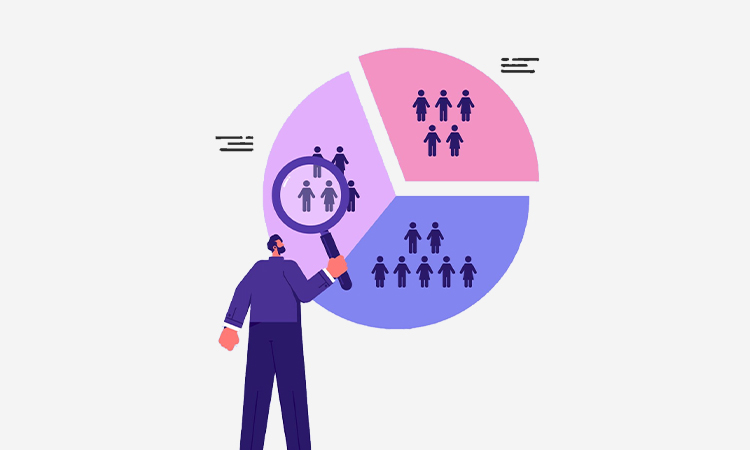
Firstly, brands need to identify and define their audience whom they want to target. It’s all about understanding who you’re communicating with. To define your target audience, you need to create detailed buyer personas, which are fictional profiles that represent your ideal customer segments.
- Create Detailed Buyer Personas
You need to identify the following components to define your target audience:
- Demographics
Always collect the foundational and hard data that perfectly describes your audience. It will help you understand the buyer and establish basic target parameters for you. You need to collect data regarding their age, gender, educational level, income, occupation, location/region, or more.
- Interests and Behaviours
Now, brands must consider understanding how a specific target audience consumes information and makes digital choices, such as making an online purchase. You can research their hobbies, online content preferences, social media platforms they frequently use, and typical online habits. This will help you select the right channels to target them.
- Pain Points and Challenges
Try to identify a specific consumer’s daily frustrations or professional concerns. When you know why a prospect struggles, you can showcase your products and services as a natural solution to their problems.
- Purchasing Motivations
Brands must understand what encourages a consumer to make a purchase online—what drives their decision to buy. Is it affordability, achieving status, the urge to resolve an urgent need, or time efficiency? Every consumer has a specific influence when they invest in a service or product.
Strategy 2: Understand Your Consumer’s Intent
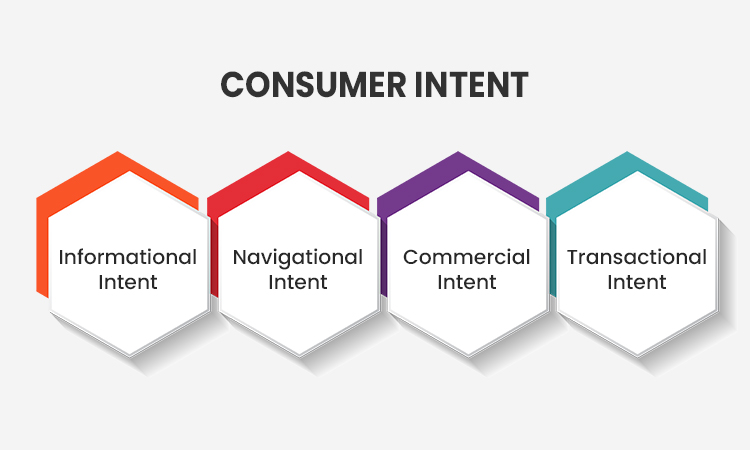
Now it’s time to understand your consumer’s intent to search for your business online. Understanding their search intent can help you to identify the consumer’s primary goal or purpose behind his/her action or query.
You can develop valuable content that can perfectly match the intent to build a responsive marketing funnel strategy.
- Identify four Major Types of Consumer Intent
These four are the major types of consumer intent that you may come across while identifying your consumer’s primary goal to search for your brand online:
- Informational Intent
Consumers often seek knowledge, answers to their queries, or solutions to their problems by searching for a brand online. They are mostly in the initial discovery phase. So, for searching for a brand, they have the informational intent.
- Navigational Intent
It refers to a consumer’s goal to find a specific website or webpage by using a search engine like Google rather than just typing the exact URL. Consumers with this intent already know exactly what they’re looking for and where they want to go.
- Commercial Intent
Those who have a commercial intent tend to have a desire to buy but are actively comparing multiple options available in the market before making a final purchase decision. This is their commercial intent to search for a brand or its offerings online.
- Transactional Intent
These consumers with a transactional intent are often in the final stage. They are more likely to make a purchase or are ready to take a desired action, like making a phone call to book a consultation or downloading a newsletter.
Strategy 3: Conduct Detailed Audience Research

This is a crucial step to ensure the success of your marketing funnel strategy development efforts. Researching your target audience allows you to analyze their requirements, concerns, behaviors, and motivations to make a purchase.
Till now, we have talked about what you need to research about your target audience. In this part, we will explore the channels through which you can conduct detailed audience research and collect valuable insights.
- Prioritize These Ways to Collect Audience Data
Here are 4 major ways through which you can collect audience data:
- Surveys and Interviews: It will help you to have direct conversations with your audience and quantify sentiment at scale. Additionally, conducting surveys and interviews can help you to understand the ‘why’ behind your audience’s choices and actions.
- Website Analytics: You can employ helpful tools to track your site analytics—how your visitors engage with your site and what they do while scrolling through your site. You can measure your website traffic, session duration, and conversion rates to find the areas for improvement.
- Customer Feedback: Encourage your previous and existing customers to share their genuine feedback. These post-purchase reviews form direct interactions between your brand and your customers. It will also allow you to retain your customers and gather valuable customer data.
- Social Listening: Always observe online conversations (especially across social media platforms) where your customers and prospects are involved. This will help you to monitor your brand’s social media perception and see what the market truly desires.
Strategy 4: Build Awareness at the Top of the Funnel
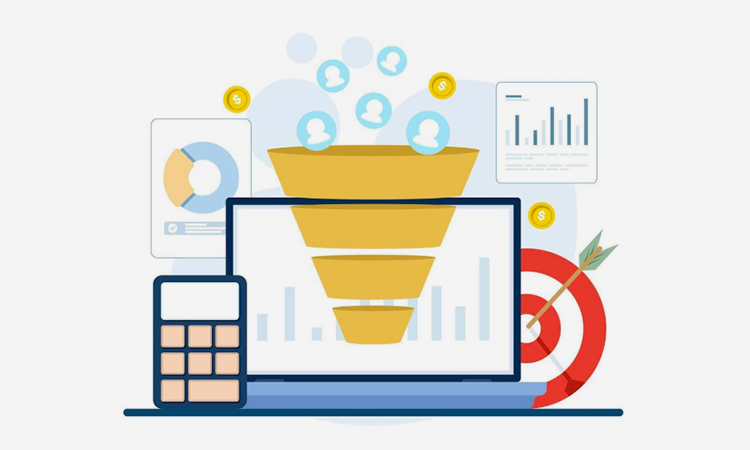
Now we will know how brands can build awareness for those who are at the top of the marketing funnel, who have a problem and are actively searching for a brand that can provide them with a suitable solution.
Below are 5 major strategies to do it:
- Implement Content Marketing Strategies
You must have heard of ‘Content is King!’
Yes, it is. Purposeful, genuine, educational, and high-quality content can allow brands to answer the audience’s queries and position themselves as a knowledgeable resource in the niche market. Here are some key content types that brands can prioritize creating to build awareness:
- Blog Posts – You can write actionable and high-quality articles that easily answer the common questions of your prospects and solve common industry pain points.
- Guides and eBooks – These comprehensive guides will help you to offer deeper and downloadable content to your audience and new readers.
- Infographics – If you want to provide complex data and statistics to your audience, sharing them through infographics can allow you to provide the information through shareable and visually engaging formats.
- Videos – We suggest that you should produce short-form or long-form video content that can easily grab your target audience’s attention.
- Prioritise Search Engine Optimisation (SEO)
Effective SEO reputation management strategies require you to prioritise optimising your brand’s presence for ranking higher in relevant search results. This will ensure that your audience can easily find you online by using relevant keywords.
No matter how premium the products and services your brand provides, if your prospects are struggling to find you on Google, you’re losing a significant number of your potential customers.
- Keyword Research – Perform a thorough keyword research to find relevant phrases around your brand name, products, services, and serving locations. Identify the keywords most commonly searched by your target audience to find your brand or similar businesses.
- On-page Optimisation – From your website content to your social media posts, all the content you share must be fully optimised by incorporating relevant keywords. This will help you rank your website and your online profiles higher in organic search results.
- Content Clusters – You can group related content around a specific trending topic. It will help you build topical authority and capture qualified traffic for your site.
- Social Media Marketing
This strategy works like a wonder when it comes to social media reputation management and building a robust marketing funnel. Leveraging social media channels can help you connect with your followers in their natural digital habitats. Let’s have a look at how you can build and utilize social media marketing through a marketing funnel strategy implementation.
- Organic Social Media Posts
Is your brand active on social media? If not, you are losing a significant number of your potential customers. According to a 2026 study by Optinmonster, 87% of buyers believe social media majorly helps them make purchase decisions. Thus, it’s important for you to consistently post valuable updates about your brand, tips, informative videos, and data insights on social media to keep your followers engaged.
- Community Engagement
Posting engaging content on social media is not enough! Brands need to engage with their followers through posts. You must actively reply to comments and participate in meaningful discussions across social media platforms. This fosters community engagement for a brand and two-way interactions with the followers.
- Influencer Collaborations
Social media creators are the new creative agencies that most of the people trust when making a purchase decision. Do you know that 56% of consumers have reported that they have bought something after seeing a social media influencer use it?
When you partner with today’s popular voices, you get the opportunity to promote your offerings through them. You can also reach a broader audience and encourage them to choose your brand over your competitors. When your prospects see that popular social media creators are vouching for your offerings, it generates a sense of trust among them.
- Paid Advertising
Google Ads allows you to instantly reach a massive and targeted audience. Google Search Ads allow you to put your brand in front of your prospects after they explicitly use related keywords in the search bar.
- Google Ads – Brands can use Google Ads and promote their offerings to make their presence appear at the top of relevant search results.
- Social Media Advertising – You can also utilize targeted paid campaigns on social media platforms like LinkedIn Ads. This targeted advertising will help you to utilize paid social media campaigns and reach a specific audience demographic through advertisements.
- Display Ad Campaigns – You can deploy captivating visual ads across the web to build top-of-mind brand visibility. These display ad campaigns help you make your presence on relevant external websites more eye-catching and engaging.
- Public Relations and Brand Visibility
Third-party validations play a huge role in building a strong and sales-driving marketing funnel strategy. PR can be your ideal way to earn third-party validations, as you can get your brand featured across popular media publications.
- Guest Posting – You can consider writing expert articles to post as guest blogs. However, you need to earn guest blog opportunities from an authoritative website across your niche to reach their audience through guest blogs.
- Media Mentions – We suggest that you establish strong interpersonal relationships with journalists, reporters, and other media personalities. So that these relationships will help you earn positive media mentions and coverage in industry news, podcasts, and relevant publications.
- Industry Partnerships – You can also partner with complementary brands to reach their audience and drive mutual awareness.
Strategy 5: Capture Qualified Leads for Your Business
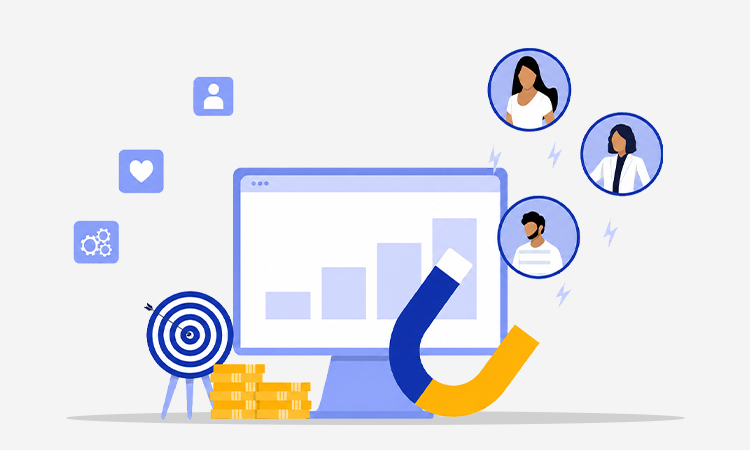
Unless you know the secrets to capture qualified leads for your business, you cannot attract them to enter your marketing funnel. To capture these leads, you need to build targeted resources, craft benefit-driven landing pages, and use streamlined mobile-friendly forms. Let’s talk about all these:
- Create Effective Lead Magnets
Do you know what the key to creating a successful lead magnet is?
It’s how promptly and accurately you can solve your audience’s problem. It will deliver immediate value for your brand as well as your marketing funnel.
- Free Templates and Checklists – These free templates and checklists are practical assets and highly convertable, mostly because brands can immediately use them to attract their target audience or prospects.
- Whitepapers, Webinars, and Industry Reports – These are mostly educational resources that establish authority. When you provide valuable data insights through this educational content, it allows them to provide unique research or methodologies that your potential customers are less likely to find elsewhere.
- Design High-Converting Landing Pages
Your lead capture page, specifically the landing page, must reflect a single goal, such as converting your website traffic into qualified leads.
- Clear Value Proposition – You can promote the benefits of your products and services through the landing pages. You must also mention how the benefits can make a difference to your consumer’s life.
- Strong Call-to-action (CTA) – Don’t forget to use highly visible and convertible calls-to-action buttons with first-person and action-oriented copy. These buttons must be capable of converting consumers and driving sales.
- Minimal Distractions – We suggest that you remove secondary navigation links and external menus, if any. It will help you to keep the user’s attention solely on your brand’s core offer.
- Optimise Lead Capture Forms
Lead-capturing forms are crucial to attract qualified leads for your business. If you have friction in your forms, it will directly lead to customer drop-off rates. You must optimise your form’s user experience to keep your potential leads engaged.
- Reduce Form Fields – You need to minimise required information to just 3-5 essential fields of the form, such as name and email. Having fewer fields on your form can help you attract more prospects into the top of the funnel.
- Improve User Experience – You can use progressive multi-step forms or the autofill capabilities to prevent user fatigue and limit manual typing. This will also improve the user experience of your lead-capturing form.
- Make it mobile-friendly – Does your form function properly on mobile devices? As the majority of traffic comes from mobile devices, it’s important to create a mobile-friendly form and ensure the CTA buttons on the form are easy to tap.
Strategy 6: Nurture Leads in the Funnel’s Consideration Stage through Email Campaigns

A Mailchimp study has claimed that the average open rate of emails is 35.63%.
Thus, nurturing leads in the consideration stage of a marketing funnel through email marketing strategies can help brands build the prospects’ trust, highlight their value proposition, and provide accurate information the buyers need to compare options.
Here are some ways through which you can run email campaigns as a proactive marketing funnel strategy:
- Welcome Email Sequences – Brands must greet new leads warmly and establish their voice through automated welcome emails. It will set expectations from the very first interactions and showcase that you truly value your leads.
- Educational Content – You can prioritise education regarding your expertise and knowledge in your niche market. You can share tips and tricks, whitepapers, newsletters, and trends through emails to resolve your leads’ specific challenges.
- Product-focused Emails – You can also consider sending product-focused emails to your leads once the trust is established. You can gently highlight the benefits your products offer, their features, and the reviews that specifically address the potential customer’s pain points.
- Retargeting Campaigns – Through personalised emails, you can also retarget your existing customers who have not purchased or booked any services from your brand in a while.
- Case Studies and Success Stories – Businesses can provide strong social proof by showing real-world examples through case studies and customer success stories. Such content can build a sense of trust and confidence among your leads regarding your brand’s reliability and capability. Through this content, you can show how your products and services have helped similar clients resolve their issues.
- Product Demonstrations and Webinars – you can invite highly engaged leads to view the tutorials on product usage, participate in the online thought leadership classes and product walkthroughs.
Strategy 7: Convert Leads Into Customers
Now that you know how to nurture leads, it’s time to convert these leads into paying customers. Effective conversions require you to follow a strategic and trust-based approach to optimise your sales pipeline.
It will help you to eliminate doubt and make the final purchasing decision a seamless process for the buyer. Here’s how you can convert leads into customers and boost your marketing funnel strategy efforts:
- Create Compelling Sales Pages
Do you have compelling landing pages dedicated to sales? If not, you must immediately build dedicated landing pages with clear headlines and focused solutions. You can add conversational calls-to-actions (CTAs) to directly guide the buyer to the sale.
- Leverage Customer Testimonials and Reviews
You can also develop a separate page on your website for customer testimonials. Additionally, you can add these customer success stories regarding your products, sales enablement materials, and service pages, serving them as social proof to your leads.
- Reduce Buyer Hesitation
Your leads may often hesitate regarding whether they should purchase from your brand or choose a competitor. To reduce the potential buyers’ hesitation, you need to build credibility and ease consumer anxiety by adding FAQ sections to your landing page as well as across the website. It will allow you to address core problems through your answers.
- Offer Limited-Time Incentives
Brands can drive conversions by offering attractive incentives, such as limited-time bonuses, freebies, and time-sensitive discounts. It will create a natural sense of urgency, encouraging the leads to take a desired action immediately.
- Simplify the Purchase Process
If your purchase process is too complicated to be understood by a common person, you may lose a significant number of your leads or miss the opportunities to convert them into your loyal customers. Thus, it’s crucial to simplify the purchase process by eliminating administrative fields and ensuring your website’s user experience features an easy checkout process and intuitive navigation. This will also prevent the risks of abandoned carts.
- Address Common Objections
You can listen to your leads and incorporate the common objectives into your copy and sales scripts. Through this strategy, you can proactively reduce your potential customers’ worries and convince them to choose your business over others.
Strategy 8: Retain Your Existing Customers and Increase Their Lifetime Value
Retaining your existing customers is another helpful marketing funnel strategy. This will also allow you to increase the lifetime value of your existing customers. A great customer relationship can be built the moment a purchase is made.
Below, we have talked about how brands can retain their existing customers:
- Deliver an Exceptional Onboarding Experience
When a purchase is made, you must send welcome emails to greet the customer, offering an exceptional onboarding experience. The greater experience your new customer will have, the more chances you can get to retain them.
- Welcome Emails – You can send targeted and personalised messages to acknowledge the purchase. Additionally, you can also offer tailored advice to the customers to meet their specific requirements.
- Product Tutorials – Educate the customers by sending them product tutorials – how to use their products effectively to achieve the maximum benefits. It will ensure that the customer can extract the immediate value from your offerings.
- Customer Support Resources – Don’t forget to interact with the customers wherever they’re on their journey or in the marketing funnel. Always respond to their queries through chat, SMS, and comprehensive 24*7 support portals.
- Build Customer Loyalty Programs
Your customers will love it if you appreciate their purchase decisions. They are more likely to retain if you recognize and appreciate their dedication. Here’s how you can build customer loyalty programs to appreciate your customers’ journey:
- Rewards Systems – You can implement straightforward and point-based setups for every purchase made. The setups must be designed to provide valuable rewards and celebrate specific milestones like anniversaries and birthdays of your clients.
- VIP benefits – You can offer VIP benefits to your most loyal customers ( who have been purchasing from your brand for quite a long time). It can give you early access to new products, online sales, and elevated tier levels.
- Encourage Repeat Purchases
Brands can encourage their satisfied customers to purchase from their brands for their future needs. Guiding customers to their next logical purchase by tailoring their experience is the ultimate technique to retain your customers.
- Personalised Recommendations – You can use customer data and past purchase history to personalise your future communications with a customer and share product suggestions based on that.
- Upselling and Cross-selling – Don’t push your customers to purchase something from your brand in the future – always remember that you can encourage them, but cannot force them to make a purchase. Brands can recommend complementary accessories or advanced courses that can easily build on their initial investment.
- Turn Customers Into Brand Advocates
When you provide your customers with enough value, they’re more likely to feel heard and appreciated. Additionally, it acts as a third-party validation when your satisfied customer talks about the benefits they have achieved through your offerings.
- Referral Programs – Brands can launch referral programs to reward existing customers for driving new customers and sales by referring your business to their close ones. It will also gradually reduce your customer acquisition costs.
- User-generated Content – You can encourage your buyers to share their genuine feedback and success stories. This will help your business boost its credibility and word-of-mouth visibility. Apart from these, you can also create case studies to serve as social proof of your expertise.
- Ambassador Initiatives – Turn your loyal customers into your brand ambassadors. When you request them to promote your brand across their online profiles, it will showcase how much you value your customers.
Strategy 9: Measure the Success of Your Marketing Funnel Strategy Plan

Last but not least, measuring the success of your marketing funnel strategy plan is crucial to identify the areas for improvement. Effective monitoring can help you keep your marketing funnel profitable, scalable, and efficient.
- 4 Types of KPIs to Track –
The following are some major key performance indicators (KPIs) or marketing funnel metrics that brands must track to measure their marketing funnel strategy efforts:
- Top of Funnel: Awareness & Interest
- Website Traffic: The total number of unique website visitors, page views, and traffic sources.
- Funnel Drop-Off Rates: The exact pages where visitors leave your site.
- Middle of Funnel: Consideration & Intent
- Lead Conversion Rate: The percentage of casual visitors who have later become qualified leads.
- Cost Per Lead (CPL): Total marketing spend divided by new leads generated by your full-funnel marketing strategies
- Email Open and Click Rates: The total subscriber engagement and interest in your brand’s online content
- Bottom of Funnel (BoFU): Decision & Purchase
- Sales Conversion Rate: The overall percentage of leads who make a final purchase from your brand
- Customer Acquisition Cost (CAC): The total amount of money a business spends to convince a new customer to buy its product or service.
- Beyond the Funnel: Retention & Expansion
- Customer Lifetime Value (CLV): Total revenue your business has earned from a single customer profile
5 Best Tools for Building and Managing Marketing Funnels to Ensure Conversions
In this section, we will talk about the tools that you can prioritise employing to build and manage your marketing funnel. Here we have enlisted the top 5 most helpful tools that brand owners can use to ensure conversions through effective marketing funnel strategy.
Let’s have a look at the list:
| Tools Name | Features to Use |
| 1. Salesforce | ● An AI-powered CRM that tracks the entire prospect journey from awareness to loyalty. ● Simplifies lead, contact, and deal management from one dashboard with multiple customization options. ● Ideal for enterprise-level customer tracking and unified sales pipeline management. |
| 2. Zoho CRM | ● A powerful sales and marketing CRM with multichannel marketing automation tools. ● Offers robust lead scoring, custom customer segmentation, and marketing attribution to measure the ROI. ● Idea for brands who’re looking to align their sales and marketing teams within a single and unified platform. |
| 3. Google Analytics | ● Provides essential features like Funnel Exploration to map the steps your customers take to complete a task. ● Helps businesses to identify exactly where and why a consumer abandons your brand website and campaign. ● Ideal for analyzing your website traffic, optimizing your website’s performance, and visualizing user journeys. |
| 4. ClickFunnels | ● An all-in-one platform designed to help entrepreneurs construct high-converting marketing and sales funnels. ● Features drag-and-drop landing page builders, automated follow-up sequences, and smart checkout without requiring businesses to have a tech or coding team. ● Ideal for beginners, course creators, and businesses that want to quickly build optimized and lead-to-scale funnel pages. |
| 5. Kartra | ● An all-in-one marketing and sales automation platform. ● Helps in handling everything from visually mapping sales funnels to processing payments. ● Offers drag-and-drop funnel mapping, lead generation, and comprehensive email marketing tools. ● Ideal for agencies and entrepreneurs. |
5 Common Marketing Funnel Strategy Mistakes to Avoid
A broken marketing funnel can waste your site traffic and even damage your conversion rates. Always remember that it’s all about turning your passive readers into loyal customers. Thus, you need to direct the customers directly and know exactly who you’re speaking to – whether the consumer is a qualified lead or not.
It will help you simplify every step for the customers and build their trust through consistent and ongoing communication. Here we have discussed the 5 most common mistakes that businesses often make while developing a marketing funnel strategy plan:
Mistake 1: Adding Weak Calls-to-Action to Landing Pages
Many business owners add poor call-to-action buttons to their landing pages, especially those CTAs that lack urgency. If your calls-to-action contain vague language like ‘Click Here’ and ‘Learn More,’ it can majorly confuse your site visitors about what they should do.
- How to fix it?
You need to use direct and action-driven language personalized to the offer you have mentioned on your landing page. Always replace the generic CTAs with urgent commands like ‘Book a Consultation Now,’ ‘Download Now,’ or ‘Subscribe to the Funnel Template Now.’
Mistake 2: Targeting the Wrong Audience
Many brands often choose the wrong audience base to target through their marketing funnel. If you fail to clearly define your buyer persona, your brand messaging will be less likely to target and attract the right one. In such situations, most brands will make mistakes in attracting unqualified traffic, which cannot drive sales.
- How to fix it?
You must invest in detailed personal research to identify exactly who your ideal and target customers are. This practice will also help you identify your target audience’s specific pain points and the language that most resonates with them. Try to create separate landing pages for your different audience segments.
Mistake 3: Overcomplicated Purchase Processes
If the purchase process is too complicated, every step of it, form field, and required piece of information can create friction that drives even potential customers away. If you check out or sign up for a process that takes too long, the consumers may simply abandon it.
- How to fix it?
You need to keep your opt-in and purchase steps as short and simple as possible. You can limit the initial opt-in forms to three fields and use single-click checkouts where possible in the purchase process. Always remember, you should only ask for the information you absolutely need to complete someone’s purchase, as you can ask for more data later in the journey.
Mistake 4: Ignoring Lead Nurturing
Relying solely on a promotional advertisement or landing page without a marketing funnel strategy follow-up is a huge mistake most brands often make. Most of your potential customers often engage with multiple interactions across multiple channels before they make a purchase decision .
- How to fix it?
A brand owner must build customer trust by implementing automated follow-up systems and using a targeted email marketing campaign to nurture the leads, answer their queries, and overcome objections before they make the final pitch to encourage them to purchase from their brand.
Mistake 5: Poor Landing Page Design
Have a poor landing page? This can lead to you causing high bounce rates, and you may fail to move the visitors from the first stage of the funnel to the third stage.
A landing page with cluttered layouts, and an unclear value proposition, is a major drawback of a landing page. It will majorly ruin your conversion efforts and impact your already achieved conversion rates. If the visitors struggle to understand your offer or navigate your site on a mobile device, they will immediately bounce.
- How to fix it?
You must optimize your landing page to perform seamlessly on mobile devices. Always ensure that the text is readable and the CTA buttons are easy to tap. Additionally, you must ensure that your landing page contains all the factors, such as customer testimonials and privacy badges.
Conclusion
You own a brand and offer premium products and services. But you still struggle to convert your visitors into loyal customers, and you may not be able to drive the desired sales for your business. Because guiding the qualified leads to a purchase journey is crucial. The only solution is to build a high-converting marketing funnel strategy and effectively leverage it to ensure conversions.
We hope that our comprehensive guide to the marketing funnel will help you to navigate the complexities of driving new customers and sales. By following our strategy guide, brands can effectively convert their casual site visitors into loyal customers.
Still sceptical about prioritizing strategies for the marketing funnel? Consider partnering with a reliable online reputation management agency to seek their professional guidance on leveraging a marketing funnel for driving business growth.
FAQs
Below are some frequently asked questions and answers related to the strategy plan of the marketing funnel:
Ans. It may take 60-90 days to showcase your first meaningful sales from a marketing funnel. The timeline strictly varies based on which stage of the funnel a business owner is analyzing and the specific marketing channels they are utilizing.
Ans. Both funnels guide potential buyers toward a purchase. But they both operate at different marketing funnel stages of the customer journey. While a marketing funnel casts a wider net to attract a general audience base, create brand awareness, and nurture leads with high-quality content, a sales funnel completely takes over when a lead shows the buying intent of a consumer by personalizing the customer interactions, overcoming objections, and finally closing the deal.
Ans. AI majorly improves the marketing funnel performance as it moves the consumers from a rigid sequence to a dynamic feedback loop. It maximizes the ROI by personalizing the content, optimizing the ad spend in real time, automating the workflows, and using predictive models to score leads and customize the buyer journey.
Ans. B2B and B2C marketing funnels guide potential customers to a purchase. They completely differ in terms of their speed and approach. B2C funnels are mainly built for quick and emotionally driven purchases. On the other hand, B2B funnels are quite longer and logic-driven, requiring buy-in from multiple stakeholders.
Ans. For your marketing funnel strategy, you can find high-quality marketing funnel resources, templates, and frameworks on various platforms like Canva, Figma, Miro, and Semrush. These platforms provide content checklists, visual mapping, and structured journey templates to streamline your strategy.

