





Hosted an event, but no one outside the venue is talking about it? You might not have prioritized PR when planning the event. From a well-planned event to front-page news, PR for events ensures the buzz lasts long even after the attendees leave the event.
A well-planned event plays a major role in brand storytelling, providing you with an opportunity to showcase your products, services, and expertise to your target audience. Effective promotion through an event can lead to massive customer acquisition and retention.
No matter whether it’s a corporate event, product launch, or grand opening of a store, impactful public relations strategies can serve as a powerful tool for building brand awareness, securing positive media coverage, generating leads, and collaborating with top influencers.
Do you know that 92% of consumers are more likely to trust earned media than traditional ads? This statistic showcases the power of PR in building trust and the online reputation of businesses. Here in this blog, you’ll be learning about the proven PR strategies you can implement to promote your event, make it more visible online, and build a stable public image of your business.
What Is PR for Events?
It refers to the implementation of a set of beneficial strategies before, during, and after an event, primarily to create buzz, engage with more audiences, and achieve the desired event goals like brand awareness, customer acquisition, media coverage, and effective promotions.
Apart from these, public relations for events ensures the brand oragnizing the event builds good connections with reputable media professionals and secures an exceptional digital outreach through social media, live streams, influencer marketing, and targeted ads. It also ensures creating memorable attendee experiences during an event.
Want to make your event get the media attention and limelight it deserves?
Nowadays, the internet offers unprecedented reach to an event through promotional activities. Geographical borders or waking hours are no longer barriers for you. Anyone, anywhere, at any time can access your event details with the help of the internet.
PR strategies promote your event to media outlets and journalists, so that it can get exceptional press coverage in some popular media publications. PR offers you the desired audience reach that traditional advertising alone cannot. So, your events’ whereabouts can reach millions of audiences through broadcast sections, articles, and social media posts.
Who Can Benefit from Public Relations for Events?
Event PR can be exceptionally beneficial for –
- B2C Brands – to promote their product/service launches, store openings, or other celebrations, creating a lasting impression and securing media coverage
- Restaurant and Hospitality Businesses – to promote their new physical store openings, menu/offering launches, anniversary events, or award ceremonies to help attract customers, media professionals, influencers, and local customers
- E-commerce Brands – to generate excitement regarding in-person launch events, exclusive previews of their products/services, and influencer collaborations
Whom to Target through Effective Event PR Strategies?
The following are some key audiences event organizers must target through their PR strategies.
- Social Media Influencers and Bloggers – who’ll promote your event on their social media handles in exchange for VIP access to the event, giveaways, and brand collaborations
- Press and Journalists – who’ll cover your event story and feature it in their publications, organize exclusive interviews with you regarding the event, and may come to the event to shoot the news stories
- Local Businesses and Industry Leaders – Who’ll promote your event through their website, social media profiles, or word-of-mouth recommendations
8 Key Roles of PR in Effective Event Management
From helping to secure positive media coverage to building a strong public image, effective PR strategies can offer an extensive list of benefits for events.
Below, we’ve discussed the top 8 significant roles PR plays in effective event management. Let’s have a look.
- Enhances Event Visibility Online
Effective public relations strategies require you to use major digital tools like social media platforms and online media publications. When your event story gets featured in top media publications and social media platforms like Facebook and Instagram, it naturally makes your event more visible across the virtual world.
PR also requires you to implement effective tactics to rank your event higher in search engine results. It ensures your event reaches the broader, targeted audience – it becomes more visible online, and anyone can easily find the details.
- Builds Exceptional Brand Image
PR helps organizers craft a compelling and positive narrative for their events and the host. It conveys a strong and positive image of the host brand. When people perceive the host positively, it collects genuine appreciations for the event as well. All these majorly result in building long-term brand equity and digital reputation.
- Helps in Attracting Sponsors and Partners
When your event appears positive and purposeful, you’re more likely to attract more sponsors and partners. Strong PR efforts generate positive buzz and hype about an event, which makes the event look more appealing to potential sponsors and business partners. So, they become more interested in investing in the event.
- Ensures Better Crisis Prevention and Management
Do you know that 69% of brands tend to face a PR crisis every five years? PR for events requires the organizers to develop a robust crisis communication plan and manage messaging during unexpected situations.
Imagine your event gets delayed or cancelled due to a sudden technical issue or bad weather. How will you communicate the event cancellation to the attendees who have booked tickets in advance? PR event planning strategies help you effectively deal with such complex situations and reduce the impact of negative press coverage. The main aim is to protect the event’s digital reputation and the host brand’s public image.
- Generates Publicity and Buzz Around the Event
As PR is all about creating a buzz and hype about an event, it generates genuine excitement and anticipation among people before and during the event. Through strategic PR campaigns, media features, and influencer collaborations. PR ensures positive publicity around an event. It even ensures your event remains the ‘talk-of-the-town’ even long after it’s over.
- Establish a Sense of Trust
While traditional advertising is about promoting your event through your words only, PR strategies generate third-party validation regarding your event through earned media coverage. People prefer to trust a brand’s credibility when someone else recommends or refers to the same.
As event PR involves securing positive media coverage in top news article features and expert mentions, it’s perceived as more trustworthy by the public.
- Forms Meaningful Connections with Media and Influencers
Securing positive media coverage and promotions through social media influencers is a major part of public relations for events. We always suggest that event organizers establish strong connections or interpersonal relationships with the media professionals they will pitch to.
Effective PR strategies help event organizers build solid relationships with journalists, bloggers, and social media influencers even before they pitch for coverage, promotions, or collaborations. It will increase their chances of securing positive press coverage and meaningful influencer collaborations.
- Guarantees Post-Event Engagement
Even once your event is over, PR ensures that it stays in the attendees’, the public’s, and the media’s minds. It ensures – all of them stay engaged with the event and its details. You may be surprised to know that the impact of an effective PR plan extends beyond the event itself through follow-ups, moment highlights, and review promotions.
All these best practices ensure the audience stays engaged post-event and fosters community loyalty.
6 Major Types of Events that Benefit from PR Campaigns
The following types of events provide unique platforms for brand visibility and audience engagement. These events offer unique, beneficial opportunities to partner with media professionals and social media influencers
- Corporate Events
Seminars, webinars, and press conferences come under this category of events. These corporate event organizers generate buzz for their new venture launches and position themselves/the event hosts through effective PR strategies.
- Cultural Events and Festivals
PR plans help create excitement and drive attendance to cultural events and festivals through effective promotions of local cultures. Through these public relations strategies, these event organizers can attract sponsors and manage public perception. It makes such events a community highlight.
- Music Concerts and Entertainment Events
PR is essential for these events for ticket sales, artist promotions, and securing positive media previews. An effective PR plan helps manage fan engagement and generate a massive social media buzz for the performers of the music concerts and events for the event venues.
- Sports Events
Just like other entertainment events, PR also helps sports events build a loyal fan base and effectively promote the teams or athletes. It even helps sports event organizers generate a good number of ticket sales and secure broadcasting deals from top traditional and digital broadcasters.
- Charity and Fundraising Events
Even for charity and fundraising events, PR is crucial. It helps raise brand awareness and secure a noticeable number of donations. It makes the events more visible online, attracting high-profile guests and building donor loyalty. When PR clarifies the organizer’s or the brand’s mission to host such charity events, it naturally attracts more sponsorships and fundraising opportunities.
- Exhibitions and Trade Fairs
You may feel surprised to know that even social events like exhibitions, trade fairs, or trade shows require a solid PR campaign to generate interest among the public. PR also helps promote the exhibitors’ innovations and secure positive press coverage for the events. More people will visit the exhibitions and fairs, leading to more word-of-mouth recommendations.
9 Pre-Event Public Relations Strategies You Must Follow: An Event Planning Guide
An effective plan for PR for events is not similar to any other public relations planning. It’s unique, as you may need to implement unique PR strategies before, during, and after the event. Strategies that work great during an event may not impact much post an event.
Now we’ll talk about the effective pre-event PR strategies you must follow. Let’s have a look!
Strategy 1: Set a Clear PR Goal
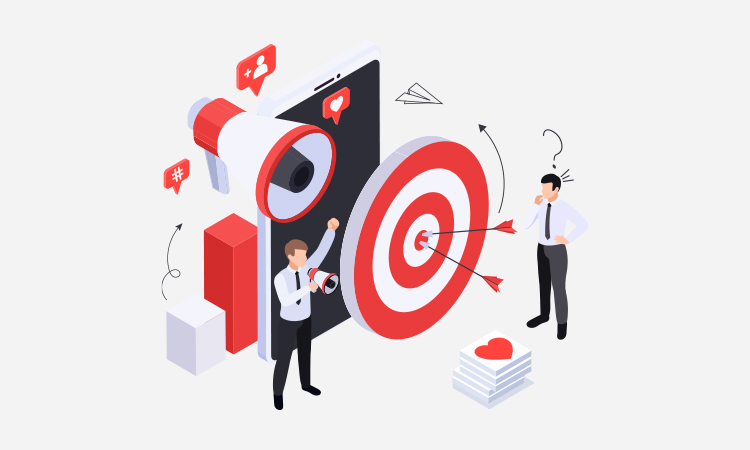
Firstly, you need to set a clear PR goal for your event – what you want to achieve through it, what your primary aim is, and the objectives you want to meet through event PR strategies. A successful PR campaign for events always begins with setting clearly defined objectives that perfectly align with your event goals.
6 Types of PR Goals An Event Organizer Can Have
Here are six major types of PR goals most event organizers commonly have.
- Better Media Relations – Event organizers often aim to establish strong, long-term relationships with prominent industry journalists and editors beyond pitching to them to cover their events.
- Product/Service Launches – Most brands host events to use the program as a high-profile platform to introduce a new offering (launch a product/service) and generate maximum, immediate public and media interest about it.
- Great Event Visibility and Promotions – When the hosts want to drive widespread awareness to ensure their events achieve a significant number of attendees and become a ‘’trending topic’ within their target demographic.
- Sales and Lead Generation – Many businesses often aim to drive measurable conversions from their events, such as generating qualified market leads and transforming them into loyal customers, early-bird ticket sales, and sponsor inquiries.
- Stakeholder Engagement – Through events, brands may want to engage more with their stakeholders, like their existing investors, internal staff/team members, and community partners. They want to ensure that these stakeholders stay informed, excited, and feel involved and valued during the event.
- Brand Reputation Building- Events organized with the help of PR efforts position the host brand as a thought leader or an industry expert. It significantly improves the host’s online brand reputation through strategic messaging and positive media coverage.
- Positive Press Coverage – Many businesses aim for favorable press coverage for their events. When their events get featured in some top media publications, it makes the general public perceive your brand positively and generate a sense of trust regarding it.
Strategy 2: Identify Your Target Audience
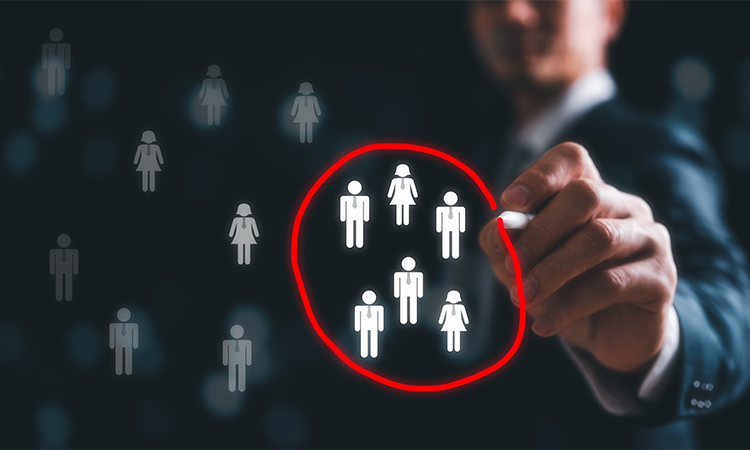
Now, before the event starts, you need to identify who you’re targeting through it – your target audience. Identifying your target audience can help you tailor your event PR strategies based on their preferences and ensure the event’s success.
2 Types of Audience An Event Organizer Must Target
Most events have two types of audience: Primary and Secondary.
While the primary audiences are those who are the main goal of the event, the secondary ones are the individuals who majorly influence the primary audience or have a vested interest in the event’s outcomes.
- Primary Audience
These are two major types of primary audiences an event can have. An event organizer is more likely to tailor his/her event PR plan to change or influence the behavior of these two, as they’re the direct recipients of the communication.
- Attendees – General people who will attend the event, and the content, schedule, venue, and experience will be designed based on their unique needs, interests, and preferences
- Participants – A Specific group of attendees, like the keynote speakers, performers, and competitor brands, whose active involvement in the event is crucial to the event’s success
- Secondary Audience
These are individuals or groups who may not be the direct focus of an event, but they significantly impact the primary audience’s decision to attend the event. They also influence the event’s overall success.
- Media – News outlets and key media professionals who generate significant awareness and publicity for an event, influence public perception, and potentially attract attendees’ interest in the host brand
- Social Media Influencers – Influencers who have a significant number of followers on social media platforms and the power to influence their followers’ opinions
- Sponsors – Brands or organizations that’ll invest in your future events, examining your credibility and reliability; they may not attend the event just like other attendees, but play the role of crucial stakeholders
Strategy 3: Craft Key Messages for Events
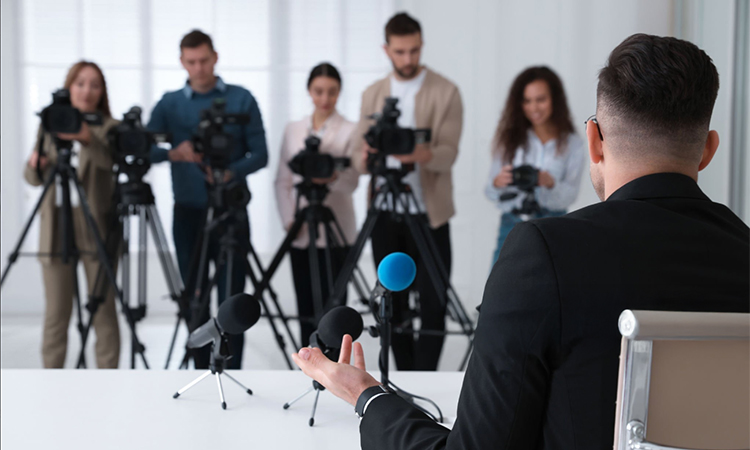
What messages do you want to convey through your events?
This is crucial to PR for events! The key message that you want to convey through your events must be clear and easily understandable for your audience (the attendees, the media, the general public, and the stakeholders).
Here, we’ll discuss how to craft a clear message for events.
- Event Purposes
Why have you organized an event? What’s your purpose?
The purpose of your event defines its core mission and goals. It’s all about the foundational element that guides the subsequent messaging. The following are some common event purposes:
- Attracting potential leads and transforming them into loyal clients
- Improving brand awareness, enhancing your brand’s public image, and making it stand out in the market
- Providing valuable insights and knowledge to the attendees
- Establishing strong connections with attendees, the event sponsors, and your internal team
- Securing top media coverage for your brand
- Launching a new product or service and highlighting its cutting-edge features
- Engaging more with employees, boosting internal morale, and fostering a sense of belonging among your staff
- USPs of Your Events
Thousands of brands worldwide host a variety of events for various purposes. So, what sets your event apart from the other thousands of events happening daily?
It’s the unique value propositions (USPs) of your event that give a compelling reason for the attendees to participate in your event. So, here’s what can be unique:
- Uniqueness: Some facilities that other events are not offering, but your event is
- Benefit-focused: The value or outcome for the attendee through the event
- Clear and Concise: If the event and its context are easy to understand and remember for the attendees
- Credibility: If the topic discussed or the knowledge shared in your event is backed by evidence, data, expert opinions, and testimonials
- Spokesperson Messages
Appointed a spokesperson?
Now, it’s time to train the spokesperson regarding how he/she can translate your event’s main purpose and USP into human-friendly and relatable language. It will help you build trust among your attendees and inspire action. The message your spokesperson will convey must be personalized based on the specific audience, but consistent with the core event messaging.
Key elements for your spokesperson messages are as follows.
- Authenticity: Use active voice and genuine language, and avoid using formal jargon and promotional slogans.
- WIIFM: Focus on the ‘What’s in it for me’ to clearly articulate the direct benefits for the listeners.
- Emotional Connection: The message should evoke emotions like excitement, trust, and a sense of belonging to build a deeper connection with your audience.
- Proof Points: Use facts, figures, short stories, and case studies to prove your claims and build credibility.
- Clear Call to Action: The spokesperson’s messages must include a clear call to action to guide the audience to take a desired next step, such as registering for the ticket, visiting a booth to collect the ticket, or providing feedback.
Strategy 4: Develop a PR Timeline
Now, it’s time to develop a PR timeline well in advance. So that when you implement PR strategies during and after an event, you face no major issues.
It’s like creating a calendar where you can schedule your PR tasks and plan accordingly.
- Pre-event (The initial 4-6 weeks)
| Timeline | Things to Do |
| Week 1-2 | Develop your event messaging and media materials, like press materials and media kits; secure initial high-level interviews to promote the event |
| Week 3-4 | Distribute the first official press release to announce the event and its key speakers; start pitching to the top media outlets |
| Week 5-6 | Send reminders and essential information to confirmed media attendees; create hype on social media |
- Event Day
| Timeline | Things to Do |
| Morning | Send the final reminder to the registered media. |
| During the Event | Share live updates, photos, and content regarding your event on social media channels. |
| Evening | Distribute a press release to make a major announcement or showcase the highlights of the day. |
- Post Event (Immediately following to 1 Week after the Event)
| Timeline | Things to Do |
| Day 1 | Send a tailored ‘thank-you’ message to all the media attendees, including links to the assets like photos, videos, and the full session recordings of your event. |
| Day 2-3 | Monitor the media coverage and compile a clear coverage report; share the media coverage across your own channels. |
| Week 1 | Share the final press release to announce the outcome of your event, the major highlights, and announcements. |
Strategy 5: Create Press Releases and Media Kits
A press release is something through which you can share major announcements – the creation is a crucial strategy of PR for events. A compelling event press release should be newsworthy, concise, and structured just like a news story.
A 2024 Cision study has revealed that 74% of journalists prefer to receive express releases from brands or their team of PR professionals. Now, you can imagine the significance of this PR element to secure the media attention.
What’s the aim? A press release is primarily crafted to grab the media’s attention and secure positive media coverage. It’s a major part of your media kit – a collection of detailed resources for journalists.
How to Craft a Compelling Press Release to Announce an Event?
Here are some crucial elements of a press release that you must include in a press release.
- Compelling Headline: A Short, catchy headline within 70 characters written in the present tense with relevant keywords to clearly talk about event news
- Strong Lead Paragraph: The first paragraph with the date that answers the essential ‘5 Ws’ (who, what, when, where, and why) to provide details of your event to the journalists
- Body Paragraphs: Expansion of what you’ve written in the lead paragraph with more information, including context, the unique aspects, like special guests and unique activities
- Authentic Quotes: One or two quotes from key spokespeople (the event host, speakers, and sponsors) to add a human element and personality to the press release
- Multimedia Integration: Links to high-quality images and videos to enhance the press release engagement
- Call to Action (CTA): A straightforward CTA to guide the readers to where they can find more information about the future PR event, register for the ticket, book a seat, or get a press pass; a link to your official website or registration page
- Boilerplate: A brief ‘About Us’ section to describe your host brand’s mission and history
- Media Contact Information: A specific media contact person’s name, contact number, and email address to address follow-up questions from the media outlets
- End Notation: A centered ### or –30– which is traditionally used to convey the end of the press release
Key Elements to Add in a Media Press Kit
Now we will talk about the key elements that you must incorporate in your media kit, apart from a press release.
Wondering what a media kit is? Let’s know it in detail.
What is a media/press kit? It’s a comprehensive resource for media professionals and news outlets, providing them with all the necessary background materials to craft an informational news story. The kit should be easily accessible and can be incorporated as a downloadable section in your website’ dedicated news page.
- Event Overviews – It’s a general fact sheet or overview document where you can write about your event’s purpose, agenda, history, and key logistical details.
- Speaker Bios – It’s a short yet professional biography and headshot images of all the main speakers of your event, with proper mentions of their credentials and the topics they will cover during the event.
- Sponsor Lists – This is a clear list of sponsors of your event and their logos. This list will help you acknowledge partnerships and add a layer of credibility to your press kit.
- Images – It’s a gallery of copyright-free, HD images, including your brand logo, event photos from previous years, relevant stock images for reference, and executive headshots.
- Brand Guidelines – It refers to a document that outlines the rules for using the host brand’s branding elements, like the logo, theme, fonts, and color palettes, to ensure the correct representation in media coverage.
- FAQs – It’s a list where frequently asked questions will be mentioned for both the media and potential attendees.
- Company Contact Info – Here you can add your company descriptions and relevant media contact details to ensure the media professionals are aware of who they can contact for more information.
Strategy 6: Prioritize Media Outreach

Your event should reach the right media professionals and the right news outlets. As a host, you must prioritize media outreach for your event. The following are two major tips to ensure a great media outreach.
- Identify Relevant Journalists and Publications
The key to successful media outreach is how you target the right people who can cover your event story in the best possible way – those who cover news in your specific industry or local area.
How to identify the right journalists for your event coverage?
- Research well: Don’t just research a journalist’s name on Google; read their recent articles and watch their news segments to identify their beat, tone, and audience.
- Utilize the right data: Use the media database and social media most effectively, such as extensive journalist profiles and contact information.
- Make a list: Create a list of the preferred contact method of each journalist you’ve chosen.
- Choose relevant media outlets: Focus on the media publications and professionals whose work aligns with your target audience. For example, if you’re hosting a local event, it is more likely to secure more relevant coverage from a regional newspaper than a national one.
- Stay organized: Maintain a spreadsheet to track journalists’ details, the date when you’ve contacted them, the method of contact, and the status of your media pitch.
- Pitch Your Story to Get the Limelight
Your media pitch can help you get the limelight. Yes, you heard that right!
How you pitch to the media determines whether you’ll secure the coverage or not. Your pitch should be strong, concise, informative, and timely. It positions your event as a valuable news story for media publications, not just a promotional piece.
Some Tips to Follow while Pitching –
- Start your pitch explaining why the story is valuable for the specific media publication and who it will affect.
- Avoid using jargon and complex words/terms like ‘revolutionary’ or ‘cutting-edge’.
- Keep the pitch brief and tailored within 200-400 words. Personalize the pitch by addressing the journalists by their name and referencing their past articles to showcase that you’ve done good research on them.
- Provide access to the expert sources and multimedia assets like photos, videos, and infographics through a cloud-based link.
- Be readily available to answer questions and provide additional details to the media professionals when contacted.
- Follow up once after one week of sending your pitch email; if you don’t hear back, politely move ahead with another media outlet, and make sure you don’t overwhelm the journalists with too many pitch emails.
- Before you pitch to the media, we suggest that you build strong connections with the journalists by providing them with industry insights and valuable information regarding other events.
Strategy 7: Create a Social Media Buzz
Do you know that 96% journalists use social media for their work?
When you successfully create a massive social media buzz around your event, you can secure your desired media and public attention for your event. And, social media is all about creating engaging content and posting on your social media handles.
6 Types of Content You Can Post on Social Media
The following are some important types of content that you can post on social media to ensure great engagement and boost your efforts for PR for events
- Event Teasers
You can use intriguing images, short videos, and cryptic messages to talk about exciting event announcements and the key personalities who’ll participate in the event. However, you shouldn’t provide every detail of your event at once; rather, try to maintain the suspense.
- Event Countdowns
Have you ever tried visually appealing countdown graphics? If not, it’s time to try them to remind your social media followers how many days are left until the event. This tactic works best for creating a sense of excitement.
- Behind-the-Scene Content
You can share candid behind-the-scenes photos and videos of your event’s planning or preparation process, such as venue setup or speech preparations. So, the attendees feel that they’re a part of your team. This type of content creates a more personal connection between the host and the attendees.
- Hashtag Creation
Now this is something about creativity! Create a unique and memorable hashtag for your event, one that is not used for any other events. Promote the hashtag across all your social media profiles and encourage your attendees and media professionals to use the hashtag while posting their content related to the event.
- Collaborations with Social Media Influencers
Partner with top social media influencers and create content to target their specific audience. Together, you can share exclusive discount codes for those who have shared your posts, host giveaways for tickets, and host live sessions.
Strategy 8: Collaborate with Top Brands to Secure Sponsorships

Now you need to partner with top brands to secure beneficial sponsorships for your event. Establishing good networking or relationships with popular brands can help you get good funding for your event.
Let’s know how you can secure such great sponsorships.
- Perform market research and identify brands whose target audience aligns with your event attendees. For example, if you’re hosting an event related to fitness campaigns, you can partner with a healthy food brand and pitch for their sponsorships.
- Just like you craft media pitches, you can create short and value-driven pitches to propose for brand collaborations and sponsorships.
- Build relationships with the brands by promoting their offerings, reposting their social media content, and referring their products/services to your clients. Before you pitch to them for sponsorships, building a good relationship with the brand owners can increase your chances of securing the sponsorships.
Strategy 9: Implement Local PR Strategies
This is specifically for those who’re hosting a local event or those who want to drive local traffic to their events. Making the local people know about your event can help you create a sense of interest
Craft a clear and concise press release that highlights the most important details of your event: the who, what, when, where, and why. Ensure the subject line is catchy and the first paragraph answers these core questions to grab a reporter’s attention immediately.
Announce Your Events through –
- Local News Channel – You can look for local news channels or their assignment editors, reporters, and community calendar producers who cover local happenings on local TV channels.
- Radio Stations – Event organizers compile a list of radio program directors, morning show hosts, or public service announcement coordinators at local radio stations to partner with them for promoting your event.
- Community Groups and Local Publications – We suggest you target a local publishing house, neighborhood associations, and local community groups to partner with them for your event promotion.
5 Must-follow PR Strategies During the Event
In this section, we will discuss a PR plan that you must implement during the event. This is another crucial part of the process of PR for events.
Preparing for the event with great initiatives is not enough; even during the event, you need to implement certain strategies to ensure the success of your event PR plan. Here’s what you must prioritize during the event.
Strategy 1: Consider Live Media Coverage
The first thing you need to do is to consider live media coverage of your event. It will involve capturing the newsworthy moments and giving the media outlets access to broadcast these moments live on their channels.
- Organize Interviews with Media Professionals
Firstly, you can schedule interviews with top media professionals to talk about how you both can execute the plan of live media coverage. Through the interview, you can provide the journalists with direct access to insightful sources, so that they can create more compelling news stories about your event.
- Prioritize Live Reporting
Always prioritize live reporting and encourage ‘live hits’ from journalists during the event. It will add a sense of urgency to the media coverage and capture viewer interest better. If you prioritize live reporting and allow it during the event, it will prevent the risk of delayed reporting.
- Collaborate with On-Ground Journalists
Event organizers who want large-scale media coverage for their event programming can seek professional PR services from a renowned agency. A professional PR team can help you collaborate with top-rated on-ground journalists and build strong connections with those who are physically present during the event. Provide them with top resources like press kits, access to major event spaces, and a dedicated media center.
Strategy 2: Post Social Media Live Updates
Just like live media coverage, live updates on social media are crucial to ensure the success of PR for events. It can help create real-time buzz, boost awareness, and engage more attendees and online audience for your event.
- Live Tweets
Twitter (currently known as X) is best for posting live updates. Here’s how you can post live tweets on the platform regarding your event.
- Real-time Highlights: You can tweet key quotes, statistics, and major announcements from your event speakers.
- Visuals: Incorporate photos and short videos to tweet for better event engagement.
- Hashtags: We’ve already talked about how you can create relevant hashtags for your event. You can use that hashtag for your tweets to increase the hashtag’s engagement.
- Instagram Stories and Reels
Another way you can create hype on social media is to share interesting Instagram Stories and Reels.
- Behind-the-Scenes: In this segment, you can show the venue, setup, and attendee excitement through Instagram Stories and Reels.
- Interactive Stickers: This segment is all about interactive sessions, like Instagram polls, Q&A sessions, countdowns, and location tags to boost interactions regarding your event.
- Day Recaps: Share Stories and Reels on Instagram to post daily summaries.
- Swipe-Up/Link Sticker: Add these interactive links to your Instagram Stories and Reels to guide users on how they can register, inform them of event schedules, and sponsors.
- Reels: Post short, engaging videos that highlight the major moments or fun activities of your events.
- Facebook Lives
This is one of the most common types of social media lives that you can leverage to promote your event and improve its engagement. Here’s how you can effectively plan your Facebook lives.
- Go live: You can live-stream panel discussions and interviews directly from the event.
- Q&A sessions: Apart from this, you can also use live video to organize interactive Q&A sessions with your key speakers and organizers.
- Event walkthroughs: Provide a live tour of your event venue and surroundings, along with other fun activities.
Strategy 3: Collaborate with Popular Social Media Influencers
As an event organizer, you can partner with social media influencers during the event to get more promotional opportunities. It will help you leverage the audience of those social media influencers and achieve their trust.
This is called Influencer Marketing.
It requires you to create authentic and real-time event-related content with branded hashtags. You can collaborate with popular social media influencers working in your niche to promote content related to your event.
Here’s how you can partner with top influencers.
- Identify the Right Influencers: It’s crucial to identify the right influencers whose audience aligns with your target attendees and whose niche fits your event theme. For example, you can collaborate with influencers who create tech-related content for a tech conference.
- Create a Brief: Next, you need to develop a clear brief with key messages. It will help the influencers clearly understand the guidelines and generate more creative ideas for your event promotion.
- Offer Incentives or Cross-promotional Opportunities: Why would a social media influencer like to promote your event on their profiles? You need to offer them some attractive incentives like free press passes for the event, affiliate codes, free PR hampers from your brand, or even a cross-promotional opportunity. This requires you to promote their social media channels on your profiles. So, it becomes a win-win situation for both of you.
- Provide Assets: Event organizers can also consider giving valuable assets branded graphics, ready-to-use copies, and unique hashtags, to the social media influencers, ensuring consistency.
Strategy 4: Manage On-Site Reputation of Your Event
Though it may sound complex, managing your event reputation is crucial to public relations. It requires you to follow a ‘listen, plan, and respond’ process – you need to quickly identify the unexpected issues with the help of a designated team.
For this, you need to appoint a spokesperson who will handle all the media communication on your behalf. The following are some beneficial ways to manage your event reputation.
- Handle Unexpected Issues
Before the event starts, you can try to identify the potential problems that may arise during the event, such as bad weather followed by a lack of attendees, security issues, bad reviews, and technical glitches. This will help you develop a response plan well in advance.
For unexpected issues, you can stop all the pre-scheduled posts and try to understand the situation’s scope before reacting.
- Answer Public and Media Queries
Handling media and public queries is a non-negotiable strategy of PR for events. Now you may need to communicate with the media and the public as well. If you think that you lack the skills, you can appoint a professional spokesperson or a team to deliver your message and prevent confusion.
Prepare a clear and concise list of FAQs to answer common queries. However, we suggest that you maintain utmost transparency while communicating with the media and ensure the media know ‘You’re aware of the issues, and you’re working on it’.
- Manage Social Media Comments
Which type of comments and mentions is your event receiving across social media? Are they positive, negative, or neutral?
To identify these, you need to monitor your social media conversations and assess public sentiment in real-time. You need ot respond to all positive comments and professionally address the negative ones.
Note: Don’t ever delete negative comments except the abusive or violent ones. Otherwise, it will show that you’re at fault for the issue.
- Appoint a Spokesperson to Deal with Crises
Effective PR crisis management requires proper skills and knowledge. For this, you may need to appoint a professional spokesperson who is calm, knowledgeable, and can develop a tailored crisis communication plan to handle unique issues.
While appointing a spokesperson, you must remember that the spokesperson must be capable of delivering consistent and factual information across media channels.
Strategy 5: Effectively Deal with VIP and the Media
Many VIPs will come to your event, as well as the media. The way you greet your general attendees, you cannot greet the VIPs and the media the same way.
It requires you to follow a strategic and more professional approach to ensure a seamless experience for the high-profile guests and the journalists.
- Consider Special Arrangements for VIP Attendees
Here’s how you can plan some special arrangements for the VIP guests of your event.
- A Direct Point of Contact for VIP: Designate a team of staff members to handle the VIPs before and during the event. The team will answer their queries, manage the VIPs’ itinerary, and deal with their issue if any.
- Logistics and Transportation: You can offer assistance with event logistics related to the coordinated airport transfers, secure transportation arrangements between venues, and dedicated parking areas for them.
- Security: You can partner with a security team that’ll ensure a safe environment for the special guests. You must have some clear protocols for managing unwanted attention from the media.
- Personalizations: Event organizers can provide welcome amenities for VIP accommodations, thoughtful gifts on arrival, and preferred dietary arrangements like private dinners or all-veg menus.
- Offer Great Hospitality for Press Personalities
Now, for the media professionals, you need to ensure that they can seamlessly cover your event and leave with an extraordinary hospitality experience. Facilitating the work that the journalists have done so far can be a great way to offer the best possible hospitality.
- Establish a Dedicated Media Hub: You can set up a comfortable and functional media hub or press room. This media space should be equipped with reliable and high-speed WI-Fi. It must have comfortable seating and seamless access to printers/copiers.
- Provide Essential Resources: You can prepare a comprehensive digital press kit seamlessly available via a dedicated online portal or USB drives, including press releases, high-resolution photos, and the event schedules.
- Facilitate Access and Interviews: Event organizers must offer priority access to key sessions of your events and designated areas, so that the on-field reporters can cover your event for a news feature.
- Offer Photo Opportunities: In your event venue, you can designate specific areas with clear branding, such as your logos and backdrops. Additionally, you can designate some specific areas for media interviews and photography.
- Provide Refreshments and Supports: Don’t forget to arrange some light refreshments for the journalists who’ll attend the event to cover it live. Offer them some coffee, water, and snacks in the media room, and ensure your technical team is there to help the reporters troubleshoot any equipment or connectivity issues.
5 Post-Event PR Strategies You Must Implement
In the last section of PR for events, we will discuss the top strategies that you must implement after your event.
Yes, you heard that right! Veen after your event, you need to follow a strategic approach to ensure the event remains a memorable one for attendees, the public, and the media. Below, we’ve mentioned the 5 proven post-event strategies you must follow.
Strategy 1: Share Post-Event Press Releases
Just like the press release that you’ve shared before the event, you can share another after the event as well. But the context and tone of the press release will be different. Follow the guidelines below to create a post-event press release.
- Share Your Event Highlights, Outcomes, and Participation Details – It will provide the core news value of your event. Try to clearly communicate the event’s success, the beneficial impact (the number of attendees in the event and the funds raised through it), and other key results/announcements.
- Mention Quotes from Your Organizers and Chief Guests – Imagine some popular personalities have given a speech in your event. You can mention some significant quotes from the speech to add value and a human element to your press release. These quotes will make the press release more personal and credible.
- Add High-Quality Multimedia – Your press release must include some visual assets to encourage more engagement. You can add high-quality photos and videos of your event to make the press release more visually captivating.
- Incorporate Boilerplates – Add an ‘about us’ paragraph at the end of your press release to provide essential background information about the host brand. It will help the media outlets have an accurate context about who you are and what you do.
Strategy 2: Share Photo and Video Recaps
After the event, sharing the photo and video recaps is an effective strategy to follow. You can share visual content like high-resolution photos and videos on your social media profiles to keep your followers engaged through your event-related content.
Do you know that social media posts with images and videos can produce 650% higher engagement than those with only text?
Here’s how you can share it:
- Post the photos and videos on a timely basis after the event concludes, when the memories are still in your attendees’ minds.
- Share some high-impact photos and video clips within hours of the event ending.
- Release the complete album or a highlight reel within 24-48 hours of your event.
- Share photos and videos that highlight key moments and candid interactions.
- Share a curated album of 30 great photos across various social media channels.
- Encourage attendees to tag themselves and use your event hashtags.
Strategy 3: Consider Social Media Wrap-Up
It’s one of the most effective post-event social media actions that you can consider to maintain momentum and engagement.
- Gratitude Posts
A simple ‘thank you’ can help you express your gratitude to the attendees and the media. It will showcase how much you value those who have prioritized attending your event and actively participating in it.
Who to thank? Apart from the attendees, you can showcase your gratitude to the sponsors, the media professionals, volunteers, staff members, and speakers.
What to mention? Event organizers can express their sincere appreciation for the event’s success by using emotional language and multimedia elements. Don’t forget to use your event hashtags.
Example: “A big thank you to everyone who made our (event name) unforgettable and massively successful. Your active participation and insights were incredible and mean a lot to us! We expect your visit to our upcoming events as well. #youreventhashtag”
- Performance Highlights
Here, you need to share the key successes and major moments of your event for those who couldn’t attend it.
What to share? You can share some top statistics, like 5000 attendees from all over the world or 1 million views on Facebook live. Apart from these, you can also share some major announcements like key quotes from speakers, a key product or service launched during the event.
- Reshare User-generated Content
Promote what the attendees and the media professionals have shared on their social media after attending your event. Share their reviews, feedback, and overall experience to serve them as social proof.
Where to share? You can share this user-generated content through Instagram reels, stories, tweets, or dedicated posts on your brand’s social media handles.
Strategy 4: Monitor Audience Feedback and the Media
Now that you’ve implemented all the essential strategies to ensure the PR success for your event, it’s time to monitor the audience and media feedback regarding their experience at the event.
Track the KPIs to Measure the Success
To monitor the experience, you need to track key performance indicators (KPIs).
- Media Coverage
- Reach and Impressions: How many people have watched the media coverage and reacted to it on social media?
- Media Sentiment: The tone of the media features/articles where your event news gets covered.
- Key Message Pull-Through: Did the media cover your event or the host organization’s core messages?
- Audience Sentiment
- Social Listening: Online mentions, social media comments, and audience reviews to identify the overall feeling and sentiment of the social media audience
- Feedback Forms: People’s feedback on satisfaction, value, and experience regarding your event
- Social Media Engagement
- Engagement Rate: The likes, shares, comments, and reach of the media coverage on social media
- Hashtag Usage: Frequency and reach of your event hashtags on social media
- Follower Growth: Increment in your social media followers during and after the event
- Website Traffic: How many attendees in your event have visited your website or landing page after the event?
Strategy 5: Employ Helpful Tools to Boost Your Event PR Efforts
To ensure the success of PR for events, you must utilize some helpful tools most effectively. Here are 7 tools that you can consider using to boost your event PR efforts.
| Tools | How Does It Help? |
| PR Newswire | • Global provider of press release distribution and multimedia solutions • Helps you reach vast networks of media contacts |
| BusinessWire | • Offers comprehensive news distribution services • Best for your event announcements to reach key media and financial markets |
| Hootsuite | • Offers robust social media management features • Helps in scheduling posts across many social media platforms • Monitors social media conversations and analyzes performance |
| Buffer | • Offer a user-friendly interface • Helps in scheduling and posting social media content • Maintains a steady distribution of your PR messaging |
| Mention | • Serves as a media monitoring tool • Alerts you to new events or brand mentions across online platforms, including social media • Allows prompt engagement |
| Meltwater | • Offers extensive media intelligence • An ideal social listening platform to track coverage and sentiment • Effectively manages your events’ public relations |
| Mailchimp | • A great email marketing automation platform • Helps in designing email campaigns and managing your subscriber lists • Tracks your email performance to promote your event updates |
4 Common Mistakes to Avoid in Event PR
Just like any other PR tactic, event PR also comes with some challenges. Event organizers (professionals or brand hosts) often make some common mistakes while developing an impactful PR plan and implementing effective strategies.
Identifying these mistakes can help you prevent their adverse impact on your PR efforts. Let’s explore the 4 most common event PR mistakes that you must avoid.
Mistake 1: Late Planning of PR Campaign
Most event organizers don’t even prioritize developing a PR plan. If you make the same mistake and realize the significance of PR during the event, it may negatively impact your event’s success.
When the event has already started, you’re more likely to get insufficient preparation time to build and execute a strategic plan – it’s a major pitfall. While late PR planning can ruin your efforts to make your event a hit, timely execution of PR tactics can help you secure the desired media and public attention.
Mistake 2: Not Personalized Media Pitches
Are you among those who send generic pitches to every media outlet? If yes, you may be surprised to know that most of your media pitches get ignored. Yes, you heard that right! A 2022 Campaign Asia report has claimed that 97% PR pitches are more likely to be ignored by journalists.
So, mass emailing generic pitches may not work for securing media coverage for your events. Thus, organizers must personalize their messages based on each journalist’s unique preferences and beats. It notably increases their chances of receiving positive media coverage.
Mistake 3: Ignoring Audience Feedback and Negative Sentiment
If organizers fail to address audience feedback or ignore the event attendees’ reviews, they’re making a big mistake. This major mistake can prevent them from effectively monitoring the public sentiment and adjusting the PR plan to protect their reputation.
For example, some of the event attendees share negative reviews about your event. If you don’t address them, it may showcase your unprofessionalism, making it seem like you’re concerned about the audience experience. Thus, regular feedback monitoring and being adaptable to make necessary changes are important for event organizers.
Mistake 4: Poor Event Coordination between PR and Other Teams
Do you have an in-house PR team? If yes, then is your in-house PR and event management team well-coordinated? Both teams must stay in coordination to effectively implement PR strategies and ensure the desired PR success.
Otherwise, poor coordination between these two teams can lead to misunderstandings, confusion, and insistent brand messaging. On the other hand, good coordination ensures both teams are working toward the common PR goals.
Ans. We suggest you start a PR campaign 6-8 weeks before the event, with an aim to pitch to media professionals and collaborate with influencers. So that they get at least 4-6 weeks of time to plan your event promotion. However, you should aim to distribute the press release on the day of the event to ensure maximum impact. If the event is a big one, it may need 3-6 months of lead time for strategic PR planning and detailed briefings with top journalists to create the essential buzz around the event.
Ans. Focus on the impact and compelling narrative angle about the event. It will help you connect with PR efforts to current trends or community needs. Ensure that your event offers unique human interest, has prominent speakers, and offers timely solutions for issues raised during the event. Apart from this, you must make sure that you provide easy-to-use, high-quality multimedia content to the journalists through a well-structured press release, along with accurate contact info.
Ans. You can use social media platforms like Facebook, Instagram, and LinkedIn to ensure a broad reach of your event. Additionally, you can leverage email marketing for direct engagement with segmented lists and a dedicated event website or landing page to specifically promote your event. Through tragated digital ads and strategic partnerships with top sponsors and social media influencers, you must focus on channels where your target audience is mostly active.
Ans. Yes, definitely! You surely need a press release for your event to get the desired media attention, attract more attendees, and secure beneficial partnership opportunities. A press release serves as a powerful tool to navigate the public narrative about your event. However, not every tiny gathering requires a press release, while the events that can offer some kind of benefits for the general public require one. The press release must cover all the 5 Ws, like who, what, when, where, and why, that should reach top media professionals, publications, potential participants, sponsors, and the like.
Ans. It’s not mandatory. If you don’t have budget limitations, you can consider hosting separate events for media and general attendees. Otherwise, you can request both to attend the same event through unique invites. It largely depends on your event goals, the type of event you’re hosting, and your target audience. The decision is a strategic one! Make an informed decision based on what you want to achieve with each group.
Conclusion
PR is something that provides exceptional benefits when combined with a personalized event marketing strategy. While event marketing is about promoting an event, event PR ensures that the event secures positive media coverage, sponsorship, qualified leads, and meaningful influencer collaborations. It even ensures that the host brand builds a solid public image and online reputation through the event promotion.
The strategies of PR for events mentioned in the blog will definitely help you make your events reach a wider audience on a global scale, even to those who cannot access the event details through traditional ads.
To make your event a memorable one in today’s highly competitive digital landscape, you can consider hiring professional public relations services from a reputable online reputation management agency.

