





In today’s hyper-competitive digital world, an individual’s or a brand’s online reputation is no longer determined by just the blue links appearing on search engine results pages of Google. An increasing number of today’s modern consumers prefer using AI-powered search engines like ChatGPT and Gemini to discover information online, as these tools are known for providing personalised search summaries. Thus, how an individual or a brand is perceived on both traditional and AI search engines is crucial. In this blog, we will talk about effective AI vs search crisis management for dominating the search world with positive content.
As many avoid prioritising both, an unfavourable reputation across AI and traditional search engines due to negative search results has become quite common. Explore this step-by-step guide to learn the best practices to prevent negative search results from appearing across AI and traditional search engines.
What Is Traditional Online Search Crisis Management?
It refers to the process of preventing reputational damage from the negative results of traditional search engines, such as Google, Bing, and Yahoo. Negative news, poor reviews, unfavourable news stories, and complaints are more likely to rank higher on search engine result pages (SERPs) due to relevancy. Effective traditional search crisis management helps individuals and professionals suppress or push down negative content and promote positive and authoritative content.
Traditional online search crisis management requires you to:
- Manage negative search engine results
- Control SERP visibility
- Suppress harmful content
- Manage review platforms
- Repair reputation with SEO
What Is AI Search Crisis Management?
Among AI vs search crisis management, AI crisis management is the effective use of strategies to repair and restore an individual’s or a brand’s online reputation when generative AI search engines like ChatGPT, Perplexity, and Google Gemini cite misleading, outdated, and unfavourable content about them in their search summaries or overviews.
This process involves the following best practices, including:
- Handling misinformation in AI-generated answers
- Managing AI summaries and recommendations
- Correcting outdated information
- Ensuring AI models surface trusted sources
- Monitoring conversational AI platforms
10 Common Types of Reputation Crises in AI and Traditional Search
Reputation crises can occur at any time in AI and traditional search. There are multiple types of AI and traditional search crises that an individual or a business can witness. Identifying the type can help you develop a tailored strategy plan to prevent major damage to your online reputation.
In this blog about AI vs search crisis management, we will now talk about the 10 most common types of AI and traditional search crises:
| Types of Reputation Crises in AI and Traditional Search | How Do They Impact? |
| Negative News Coverage | If any negative media coverage and investigation news are ranking higher on AI and traditional search results, they are more likely to build a negative perception. Such news stories can influence negative sentiment among the potential and existing customers and stakeholders. |
| Viral Social Media Controversies | AI tools tend to quickly index highly shareable outrage, offensive posts, and missteps. Additionally, if you are involved in a social media controversy, it can spread online like wildfire. It can cement a narrative of bad behaviour into search results and AI summaries. |
| Fake Reviews | Competitors and AI bots can leave fake negative reviews to artificially suppress your higher brand ratings and positive reviews. Traditional search engines and AI systems tend to register these reviews as proof of negative customer experience, leading to severe reputation damage. |
| Employee Complaints | Your dissatisfied employees can share their grievances and leave negative reviews on popular platforms like Ambitionbox and Glassdoor. These employee complaints can be scraped into AI engine responses and traditional search results, which creates a trust crisis for recruitment and B2B relations. |
| Reddit Discussions | AI platforms and traditional search engines majorly rely on crowdsourced forum data. These search engines are more likely to show out-of-context forum discussions and negative user complaints in their results. |
| Legal Issues | If you are or were involved in a legal case, let us tell you that lawsuits, regulatory fines, and compliance violations often leave a permanent footprint across the search engines. AI systems and traditional search engines are more likely to intensely crawl through such content and make them permanent public records that can damage your online reputation. |
| Customer Complaints | Unaddressed and unresolved customer complaints are quite visible online and serve as social proof. These complaints can outrank positive reviews, leading to AI tools and traditional search engines negatively portraying your online presence to potential customers. |
| Outdated Business Information | AI systems and other traditional search engines can present obsolete framing of the old and even resolve controversies if you leave them unedited with the updated data. Search engines can present outdated information as current news. |
| AI Hallucinations | AI generative models can confidently create entirely fake claims, lawsuits, and executives. This phenomenon is known as AI hallucinations, which makes the unsupported facts instantly become public knowledge without any prior corporate warning. |
| Incorrect Company Profiles | AI aggregators tend to compress data rather than cite an official website. AI search algorithms mix up brands with similar companies and often display completely incorrect service profiles in their summaries. |
8 Signs Your Business Needs AI and Search Crisis Management
Be it an AI search crisis or a traditional search concern disaster, it’s quite difficult to handle such a situation, as it can severely impact an individual’s or a business’s online reputation.
When automated search algorithms start highlighting only the negative and incorrect data about you as an individual or your company, consider this an online search crisis. And the worst part is that such negative narratives can instantly spread across AI and traditional search platforms like Google, AI Overviews, ChatGPT, and Perplexity if the crisis is left unaddressed.
Thus, you need to identify the signs of AI and traditional search crises well in advance to develop a personalised AI vs search crisis management plan. The following are 8 major signs that you should immediately invest in AI and traditional search crisis management strategies, and reasons why you need them:
- AI Search Engines Providing Inaccurate Business Information
If you can detect that AI bots are showcasing outdated legacy data, mixing up your company with another business while displaying content, or citing competitor information, you must consider it a major sign.
Why do you need management? AI models specifically rely on machine-readability to develop their answers to the user queries. Such models synthesise inaccurate directory listings or your Google Business Profile (which contains errors) and showcase them as ‘facts’. Effective management will allow you to structure AI-optimized data to provide AI search engines with accurate data.
- Negative Google Results Dominating Page 1
If you come across ripoff reports, legal complaints, and negative PR articles about you or your business in traditional search results, it’s a reputational crisis. Do you know that over 99% of searchers only look at the first page of Google results? So if the negative content is appearing on the first page of Google or any other popular search engine, you must prioritise immediately developing a crisis management plan.
Why do you need management? Among AI vs Search Crisis Management, you require effective search result management tactics to make your positive content rank on organic search results. Traditional search engines often synthesise information from negative legacy links. You need to consider investing in search crisis management to push down those negative links and dominate the search engine results pages with positive owned media.
- Brand Mentions Appearing in AI Summaries
Imagine that AI search tools are completely omitting your brand name in their search summaries when users ask queries like ‘the best company in (your niche industry name)? We know that it’s quite embarrassing! Even if the AI summaries are negatively critiquing your brand whenever they’re mentioning its name, it’s a search crisis.
Why do you need management? If your brand name is completely missing from an AI summary, it means that your business is invisible to your potential customers. AI search crisis management will allow you to optimise your digital presence for AI citation and help you secure third-party case studies, positive listicle inclusions, and expert reviews.
- Website Traffic Dropping due to Reputation Issues
Are you detecting a sudden drop in your organic click-through rates or website traffic? If yes, it’s a major sign of a search crisis. Additionally, if you’re experiencing a sudden drop in your click-through rates for search terms where you generally hold a higher ranking.
Why do you need management? AI search engines directly resolve user questions within their search interface. This drives a massive surge in ‘zero-click’ searches. Effective AI vs search crisis management strategies allow for maintaining a constant flow of organic visits by pushing down reputation issues or negative reviews that AI snippets often display in response to user queries.
- Customers Questioning Search Engine Information
It can often be witnessed that your loyal clients and prospective customers contact your sales team to ask about the inaccurate information present in AI or traditional online search results. They are more likely to question the misleading details about you or your brand, such as false rumours or altered pricing.
Why do you need management? A large majority of consumers tend to trust summarised answers that appear at the top of their search results. When you manage such a crisis, it helps you correct the source data across the web to prevent AI hallucinations and repeated search engine rankings.
- Increased Support Tickets
If you come across your customer service queue flooded with repetitive inquiries, questions related to false brand policies, and complaints, you can consider it a major sign of an AI or traditional search crisis. It’s not about AI vs search crisis management; you need a strategic plan for both to decrease the number of these customer support tickets.
Why do you need management? It’s quite common for traditional search engines to showcase complaints and inquiries due to the presence of negative reviews, inaccurate information, and dozens of wrong online search queries. Both AI systems and traditional search engines can misinterpret your offerings and showcase these negative details in their search results. This will lead to your customers entering the marketing funnel misinformed. It’s crucial to prioritise AI and traditional search crisis management strategies, as it will allow you to regularly monitor AI responses and identify where the customers’ knowledge gaps are occurring. It also helps you fix gaps in the source.
- Declining Conversion Rates
An AI and traditional search crisis can be identified when your website is receiving a good number of regular visits and inbound calls, but the percentage of those visitors transforming into paying customers is continuously declining.
Why do you need management? According to a 2025 SalesHive study, 90% of B2B buyers tend to search tools like Google and ChatGPT to research vendors. These AI and traditional search engines have emerged as the most important tools for brand evaluations before the prospects reach out to the sales team. When we talk about AI vs search crisis management, both AI and traditional search result management are crucial to increase the conversion rate.
Effective search crisis management allows brands to navigate what these search engines are displaying in their results when someone searches for their brand name or relevant keywords. It ensures that the prospects contact your customer service team with a positive perspective about your brand, which increases the likelihood of conversions.
- Falling Online Review Ratings
It’s a major online search crisis if you’re receiving too many 1-star or 2-star reviews across popular review platforms such as Yelp, Google, Trustpilot, and the like. A 2026 Upfirst study has revealed that 77% of consumers believe that negative reviews are ‘extremely’ or ‘very’ influential for purchase decisions.
Why do you need management? An effective search crisis strategy plan helps individuals and brands effectively manage negative reviews. It helps you perform rapid customer sentiment analysis by tracking their feedback patterns. It also allows you to proactively address and handle reviews to restore the balance of positive sentiment that the AI search and traditional search engines evaluate.
A Complete Guide to Managing AI and Traditional Search Crisis: 9 Steps to Follow
When we talk about AI vs search crisis management, it’s important to know about the strategies you must implement to manage your AI and traditional search and prevent negative results from appearing.
In this section, we will talk about how you can strategically manage AI and traditional search crises. This 9-step methodology will help individuals and businesses restore their personal and brand digital trust by ensuring AI and traditional search engines showcase only positive results about you or your brand.
Step 1: Monitor Your Digital Reputation Across Online Platforms
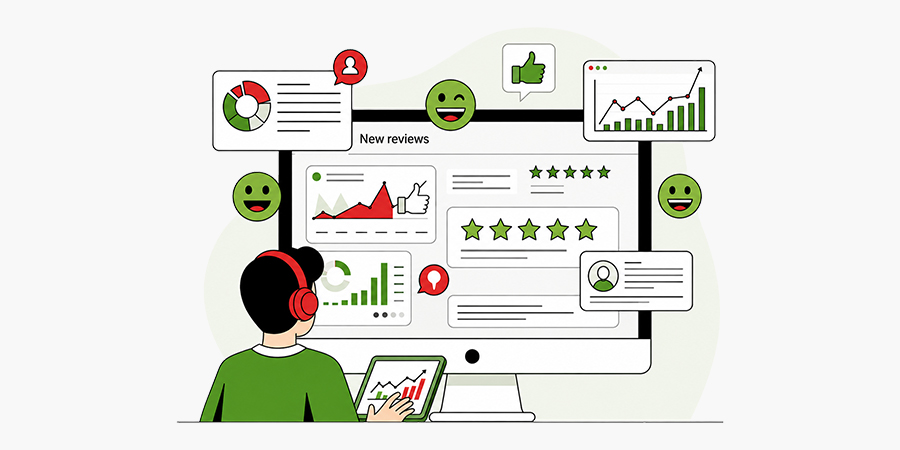
Be it AI reputation management or Google reputation management, monitoring your overall reputation management is crucial to understanding how you or your brand appears in both traditional and conversational search results when someone searches for it.
Here are some major platforms that you must monitor to audit your overall digital reputation:
When we discuss AI vs search crisis management, auditing these platforms will help you identify the source of the crisis. This means – you need to find out how the negative content (e.g., negative perception, algorithmic grouping, or fake information) is appearing in the AI and traditional search results.
- Google Search – Use Google’s incognito mode to search for your name or your brand name. You need to track the standard organic results, AI Overviews, and the People Also Ask (PAA) section.
- AI Platforms – Search for your name or your brand name on AI search engines like ChatGPT, Perplexity, and Gemini to examine the brand sentiment and generate summaries.
- Review Websites – You must prioritise major general review platforms like Yelp, Trustpilot, Google, and other industry-specific review platforms.
- News Websites – Individuals and businesses can track major online publications and digital PR mentions across various types of media coverage.
- Social Media – It’s crucial to monitor popular social media platforms, such as Facebook, Instagram, X (previously known as Twitter), and LinkedIn, to track how social media followers and other users are perceiving you.
- Reddit – You can track discussions regarding you or your brand on Reddit and other online forums. This will help you stay updated on user-generated forum threads and ensure the success of your AI vs search crisis management efforts.
- YouTube – We suggest that you search for your name or your brand name on YouTube to see what types of videos are appearing on the platform. Are those videos negative, positive, or neutral?
- Industry Forums – You should keep track of your niche-specific specialised communities and message boards.
- AI-generated Misinformation – Track the large language model citations to find the AI hallucination or misinterpreted external sources that the AI search engine is summarising.
- Competitor Attacks – We suggest that you find the coordinated negative SEO campaigns run by your market competitors to malign your online reputation.
- Fake Websites – You can also browse the internet to find our fraudulent or phishing websites that publish scam content.
- Data Aggregators – You can check online directories, Wikipedia, and data broker sites to find out outdated or incorrect business information in AI systems.
Step 2: Respond to the Situation Quickly and Transparently
A search crisis must have occurred when something negative happens on your end, such as poor customer service, online controversy, or an unresolved legal case. All these can appear in the search results of AI and traditional search engines. Thus, you need to address and respond to the negative situation first to effectively deal with the AI and traditional search crisis.
You need to respond to an online crisis quickly and transparently. The quicker you respond to a crisis, the more likely you are to prevent reputational damage (through an AI or search crisis) to you or your brand.
In this blog about AI vs search crisis management, we will now talk about how you can respond to a reputation crisis in AI and a traditional search crisis:
- Acknowledge Customer Concerns
Firstly, you need to address the customer’s concerns through social media and public forum discussions. When you acknowledge their complaints, they’re more likely to feel valued, heard, and validated. You must avoid sending generic automated replies.
- Stay Factual while Responding
While publicly responding to a search crisis, your replies must be backed by verified data, hard numbers, and official timelines. Never use vague adjectives; rather, you can showcase specific metrics so that the large language models understand the truth. Among AI vs search crisis management, both require you to proactively respond to the crisis situation.
- Avoid Emotional Response
Strategic crisis reputation management suggests that an individual or business must not argue, get defensive, or even post anything emotionally on online platforms during the ongoing crisis. Rather, you should communicate in a composed and objective tone to avoid panicking.
- Provide Updates to Your Customers
Are your customers aware of the steps you’re taking to resolve an online search crisis? If not, you must keep your customers informed with scheduled status updates through your official communication channels. Always ensure your updates are highly visible through a dedicated landing page and a pinned community thread.
- Show Your Accountability
We know that nobody likes to hear negative things about them or their business. But if such a situation arises, it’s important to show your accountability. You must take clear and prompt ownership of the situation. We suggest you explain what went wrong and how you are resolving the crisis.
- Offer Solutions
Instead of only talking about the crisis resolution, you must consider offering a suitable solution, such as what specific refund policy you are providing, the replacement timelines you have set, and the specialised customer service communication channels you have offered.
Step 3: Correct Misinformation on AI Search Results
As we are talking about the AI vs search crisis management, have you ever thought about what to do when we find negative search results?
If you find an inaccurate negative search result across SERP, you can contact the site owner and provide them with the correct details to update the misleading information. But for misleading information present in the AI search results, you need to follow the tactics mentioned below:
- Update Authoritative Sources – AI search engines like ChatGPT often extract content from third-party sites, such as Reddit, Wikipedia, and other trusted industry publications. You can audit the citations AI tools generate and update outdated or incorrect information on external platforms.
- Publish Accurate Company Information – Individuals and businesses must publish accurate company information across online platforms, including their own sites and Google Business Profiles.
You need to build a primary source where you can showcase your truth by updating your own platforms. You can publish a crystal-clear, comprehensive company description, definitive pricing on your site, and exact product specifications, so that AI systems have an official source to cite in their summaries.
- Use Structured Data – You can use detailed schema markup on your website. This structured data will directly feed the Google Knowledge Graph and ensure that the AI search algorithms display only the verified facts rather than unnecessary assumptions.
- Improve Entity Consistency – Now, individuals and businesses need to ensure that their brand’s core details, including the name, address, phone number, and executive team profiles, remain consistent across all public profiles. If their digital footprint is inconsistent, it can cause the AI-powered tools to provide fragmented and inaccurate summaries.
- Maintain Knowledge Panels and Correct Business Listings – Don’t forget to claim and manage your business profiles on Google Business Profile and Google Knowledge Panel. Claiming these profiles can help you provide verified business information to your potential customers, as AI search engines heavily rely on them while constructing answers for user queries.
You can also audit your presence on multiple local directory sites, such as TripAdvisor, Yelp, and other industry-specific platforms. If there are any type of incorrect details regarding operational hours, services, and locations, ensure AI-driven local search algorithms provide accurate recommendations to users.
Step 4: Strengthen the Traditional Search Results of Your Personal and Professional Presence

Negative search results contain negative media coverage, poor reviews, and other content. Such content is more likely to dominate the first page of traditional and AI search results. To outrank this negative content, you need to strengthen your online presence across traditional search algorithms and AI models by creating accurate and branded content.
While talking about AI vs search crisis management, it’s important to explain these strategies to boost your online presence.
- Publish High-Authority Content across Online
You can share your expertise through authoritative channels, as it helps you build topical authority. Publish thought-leadership articles, guest posts, informative blogs, case studies, and other educational content on reputable industry sites. It will showcase your online presence as a subject-matter expert to AI and traditional search engines.
- Create Brand Pages
On your site, build active profiles to natively rank on AI and traditional search results. You can claim your profiles on LinkedIn, Medium, Wikipedia, and the like. You can optimise all these brand pages with consistent messaging.
- Build PR Coverage
Your earned media coverage is crucial to establishing a strong online presence. Connect with popular media professionals to earn positive media coverage in established news publications. This will help you ensure reliable third-party sources completely shape your brand narrative.
- Publish FAQs on Your Site
Collect a list of real-world questions from your potential and existing customers through a survey and format them into conversational and 1-3 sentence answers. You can also map these FAQs into your site using dedicated Google Search Central FAQ Schema guidelines to secure rich snippets for your site on AI and traditional search results.
Step 5: Optimise Your Google Business Profile
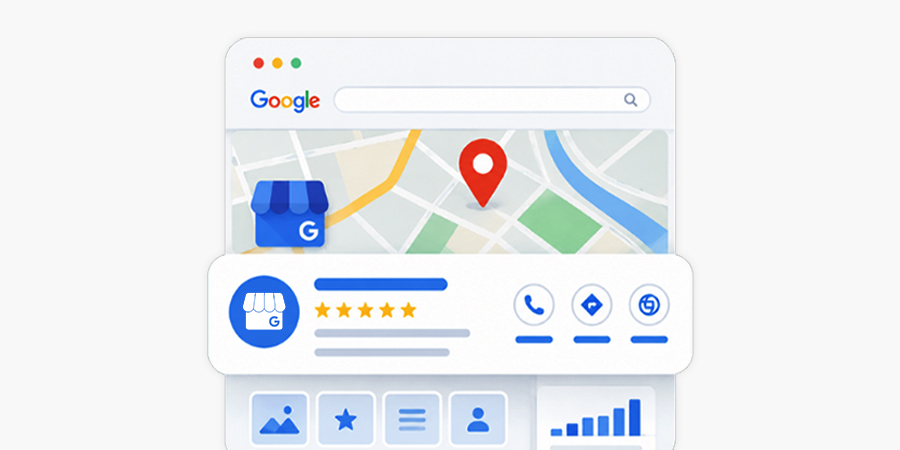
Your online profiles are the digital storefront for your local traditional searches and localised AI queries. A well-optimised Google Business Profile greatly helps in AI vs search crisis management.
Thus, it’s crucial for you to keep your Google Business Profile well-optimised and updated with accurate details.
Do you know that your Google Business Profile is 80% more likely to appear in search results and drive 4 times more website visits?
Below are some important facts you need to remember while optimising your Google Business Profile.
- Always ensure that your business name, address, and phone number (your NAP details) are consistent, updated, and accurate on your Google Business Profile (GBP). You need to add the information regarding your website URL and operating hours to your GBP profile.
- You can proactively populate your GBP with a Q&A section with common customer queries.
- Don’t forget to regularly collect positive reviews from your satisfied customers on your GBP profile and respond to those reviews in a professional manner. This will help you build local customer trust and a high local ranking.
Step 6: Improve Technical SEO
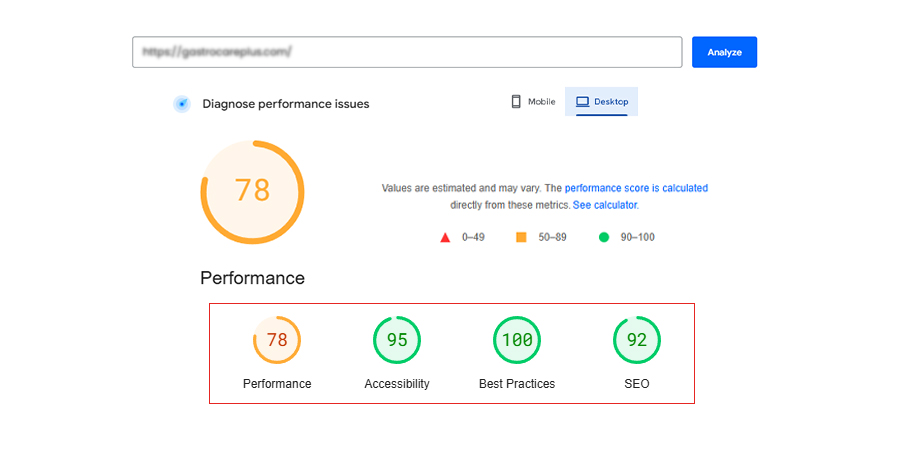
Now we will talk about how you can improve your website’s technical SEO. This specific practice can help determine the success of AI vs search crisis management efforts. As we all know, traditional search engines and AI crawlers prefer websites that are fast, secure, and structured when it comes to ranking in their results.
Always ensure your site has a clean and easily understandable structure. To ensure this, you need to make the page loading speed optimal, fix any broken links, if any, and completely optimise your site for mobile devices.
Effectively using Google Search Console can help you monitor your site’s indexing issues and track your search queries to ensure the search engine crawlers can easily read your website pages.
Step 7: Build AI-Friendly Content for Search Ranking
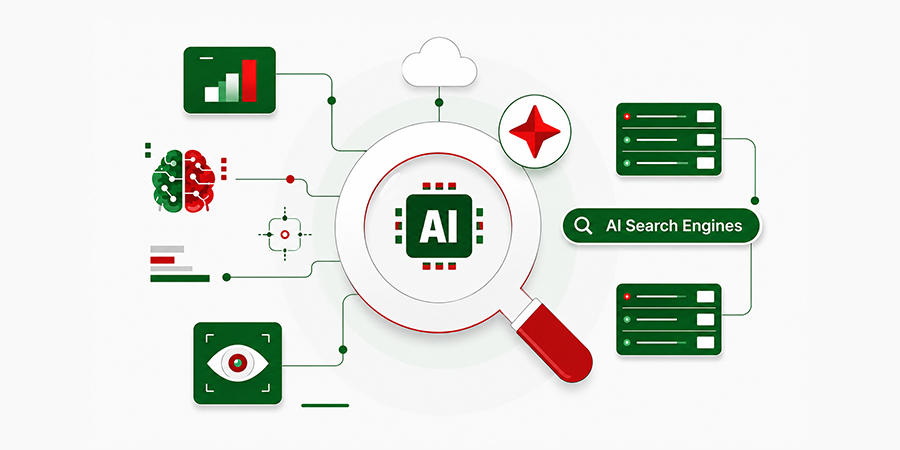
In the AI vs search crisis management, handling AI search results is a little critical process. To outrank negative AI search results, you need to develop positive and authoritative content. So that the AI search engines can crawl through content, understand your expertise’s authority, and cite it in their summaries.
Consider these factors while creating AI-friendly content:
| Major AI Content Creation Factors to Prioritise | What can you do? |
| EEAT Principles | It demonstrates firsthand experience, verifiable expertise, authority, and trustworthiness by giving enough credit and credibility to the content authors. It also involves citing primary sources. |
| Semantic SEO | It’s about creating content around topics and specific user intent rather than isolated keywords. |
Structured Data | You need to implement JSON-LD schema markup for your specific content, such as an article and a how-to guide, to help AI systems seamlessly parse relationships and facts. |
Comprehensive FAQs | This requires you to include sections that feature direct and natural language questions along with concise yet informative answers. |
Original Research | You need to provide unique and data-backed insights based on thorough research. You can also share methodologies and case studies that AI systems mostly prioritise when they synthesise their answers for user queries. |
| Expert Insights | This is about integrating direct quotes, personal perspectives, and online reviews from prominent industry professionals. These expert insights are mainly preferred by AI systems for their summaries. |
| Trust Signals | You must ensure that your site displays updated content timestamps, clear privacy policies, and accurate contact information to boost your site’s trust signals. |
| Consistent Brand Information | As we have already mentioned before, maintaining uniform NAP details is important to attract your local prospects. It also ensures a core brand definition across all platforms. |
Step 8: Strengthen Your Brand Authority

AI systems and traditional search engine algorithms rank websites or brands that command respect within their industry. When you own a strong authority in your niche industry, you can prevent negative content from appearing on AI and traditional search results.
The following are certain content types that you can prioritise to strengthen your personal or brand authority and ensure successful AI vs search crisis management:
- Media Coverage – External third-party validation and backlink opportunities from reputable industry news outlets and trusted digital media publications
- Industry Awards – Recognised awards and certifications within your niche to establish verified excellence
- Expert Interviews – Detailed interviews with established leaders in your niche to attract their audience and draw on their cross-pollinated expertise
- Guest Articles – Authoritative articles for high-tier external blogs to expand your footprint beyond just a website
- Podcasts – Guest appearance in a podcast or participate in your own podcast to reach listeners and establish thought leadership
- Thought Leadership – Regular whitepapers, trend forecasts, and deep-dive analyses that can position your brand as a pioneer in the industry
- Webinars – Educational online events that can help you address your target audience’s deepest pain points
- Speaking Engagements – Secured slots at major industry conferences and virtual summits to build offline and online credibility
Step 9: Manage Online Reviews Effectively
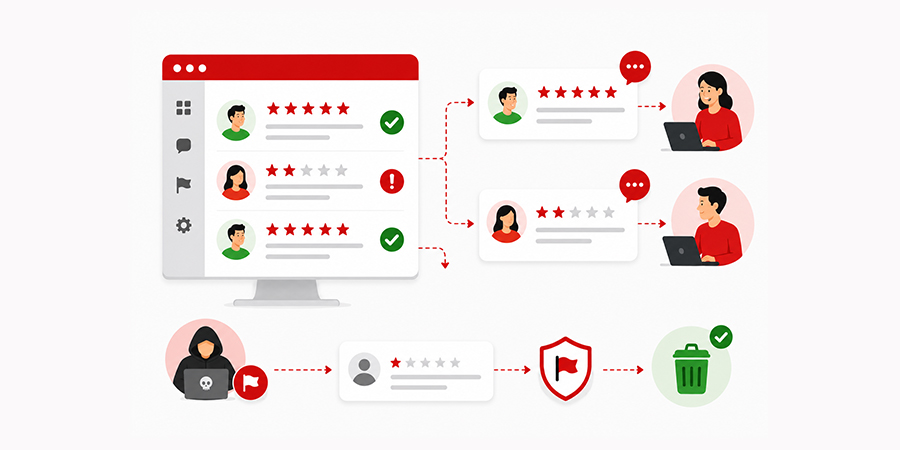
Effective customer review management is a huge part of AI vs search crisis management. It allows you to build a clean review profile and establish your customers’ trust.
Here is a quick guide to effectively managing online customer reviews:
- Encourage Positive Reviews from Satisfied Customers
Firstly, after delivering a great customer experience, you must ask them to share their genuine feedback on your preferred review platforms. If you have a huge number of customers, you can automate post-purchase feedback loops via SMS and email. You can also install a feedback request widget on your review management tool to drive more genuine customer reviews.
- Respond to Negative Reviews
We suggest that you respond to reviews within 24-48 hours of receiving them. While responding to negative reviews, stay professional and reply non-defensively. If possible, take the conversation offline to avoid online arguments. Don’t forget to show your gratitude to the customers who have left positive reviews.
Responding to every review you receive, be it a negative or positive one, can seem like a daunting task. You can seek professional review management services from a reputable online reputation management agency.
- Remove Fake Reviews
If you receive any fake reviews, you can flag or report the policy-violating and malicious spam on major review platforms like Yelp or Google Reviews. You can even hire tailored review removal services to ensure the permanent and successful takedown of the malicious or fraudulent reviews. Effectively managing fake reviews plays a crucial role in AI vs search crisis management.
5 Common Mistakes to Avoid During an AI vs Search Crisis
Yes, we know that AI vs search crisis management is quite difficult for individuals and businesses. Making certain critical mistakes can make the process more complex and even escalate the crisis, resulting in huge reputational damage.
Here we have talked about the 5 most common mistakes that you must avoid during an AI and traditional search crisis:
Mistake 1: Ignoring AI-generated Misinformation
Individuals and businesses often fail to identify or correct unverified or fabricated facts published in AI search results. AI assistants and large language models often extract the data when users ask certain relevant questions. Such AI-generated inaccurate information may build a negative perception about your professional identity as well as your business.
What to do? You need to regularly monitor your online mentions across AI search platforms, specifically the conversational ones. You can also share ‘myth-busting’ resources and implement strategies to build a rapid-response fact-checking protocol to address the AI search crisis.
Mistake 2: Reacting Emotionally
It’s not about AI vs search crisis management! Individuals and businesses are more likely to react emotionally during a search crisis out of fear and panic. Such a reaction can only draw attention to a search crisis – be it on the traditional search engine results or AI-powered summaries. Angry or emotional PR statements can transform simple online misinformation into a massive reputation nightmare.
What to do? Just when you suspect an AI or traditional search crisis, don’t panic or react emotionally. Pause and verify the source of misinformation. Consider responding to the crisis with objective and documented evidence. You can also educate your team to question inaccurate or unverified claims before sharing or reacting to them.
Mistake 3: Buying Fake Reviews
Major review platforms are more likely to detect fake reviews as they are highly visible trust signals for generative AI systems and traditional search engines. Many individuals and businesses engage in malicious practices, such as buying artificial reviews to handle an online search crisis. It’s a major vulnerability as AI and traditional search systems heavily penalise manipulated profiles.
What to do? You must focus on proactive community management and legitimate consumer engagement. We suggest that you actively request and respond to genuine customer feedback to build organic authority.
Mistake 4: Publishing Low-quality AI-generated Content
If you are publishing robotic and poor-quality AI text with the aim of flooding AI and traditional search results to prevent the severe damage caused by a search crisis, you are making a huge mistake. This practice can harm your site’s E-E-A-T (experience, expertise, authoritativeness, and trustworthiness) and leave a negative impression. AI and traditional search engines often penalise thin and generic content compared to human-centred insights.
What to do? There are some AI tools like ChatGPT and Gemini, along with traditional search engines, that you can use for brainstorming and thorough research. Ensure every article you share is fact-checked, based on unique and human-led perspectives, and heavily optimised.
Mistake 5: Using Black-hat SEO
This is another common malicious practice in which brands and individuals often consider using black-hat SEO tactics to push down negative AI search results and rank their other content. They often prefer stuffing keywords in their content, building unnatural links, or even creating spammy geo-targeted content. But all these practices carry severe risks, such as being banned by targeted search algorithms.
When we discuss AI vs search crisis management, both strategies don’t allow the utilisation of black-hat SEO techniques.
What to do? Individuals and businesses must consider building a robust topical map. Solely relying on individual keywords to rank positive content in AI search results will not help otherwise. You need to publish comprehensive and authoritative content that can directly resolve the related user queries.
Top 5 Recommended Tools for AI and Search Crisis Management
The following is a list of tools you can use to effectively manage AI and traditional search crises. Let’s explore the list and choose the tool that suits your AI and traditional search crisis management requirements.
We have enlisted a total of 5 tools for both AI and traditional search crisis management. You can also consider lists of AI vs search crisis management tools:
| AI Search Crisis Management Tools | Traditional Search Crisis Management Tools |
| PagerDuty AIOps: This tool is best for enterprise IT and technical outage management. It cuts through alert noise and automates crisis incident escalation. | Brand24: This is a self-serve monitoring platform with AI sentiment, anomaly alerts, and an AI brand assistant. Brand24 is widely considered one of the best value platforms for PR teams and mid-market brands. |
| Wiz: It’s a comprehensive security solution that provides AI Security Poster Management to identify threats, data leakage, and vulnerabilities across the AI environment. | Sprout Social: It allows users to listen, publish, and engage with customers through a single dashboard. It helps proactively identify and respond to emerging issues and allows teams to maintain consistent messaging. |
| Rootly: It’s a chat-native incident management platform that integrates with Slack and Teams. The tool uses AI to auto-detect root causes and summarise incident timelines. | Reputation: This specifically focuses on customer feedback, multi-location reviews, and local search results to point out reputational trends that require immediate attention. |
| Scrunch AI: It helps you track how your brand appears across conversational AIs like ChatGPT and Perplexity. It allows you to monitor citations and optimise your content to appear in AI search results. | Meltwater: It’s a top choice for reputation and crisis work. Additionally, it combines social listening with traditional media monitoring, unlimited keyword tracking, and real-time alerts to detect any kind of problem early. |
| Brandwatch Consumer Intelligence: This tool is best for AI crisis communications, sub-minute alerting, narrative clustering, and built-in assistance that easily drafts response language from live data. | Talkwalker: The tool provides broad global coverage for social listening, visual listening, and rich data visualisation to attract more qualified brand mentions and logo appearances across more than 180 languages. |
FAQs
Below are some frequently asked questions and answers on AI vs search crisis management:
Ans. Yes, AI search engines can generate incorrect and outdated information. Those AI-powered platforms can even generate completely fabricated information about individuals and businesses. This often refers to AI hallucinations and misgeneration that mostly occur when AI systems generate answers to user queries based on outdated, incomplete, and scattered information across online platforms.
Ans. Yes, you should certainly focus on AI search crisis management, as the monthly worldwide visits to AI have reached 56% of the total search since July 2025. Today’s modern users are more likely to rely on AI tools. Instead of focusing only on traditional SEO strategies to manage traditional search crises, you must control the narrative AI search results are showing when someone searches for your name/your brand name/related keywords.
Ans. Reputation recovery from a traditional search crisis may take 12-24 months. On the other hand, AI-driven search crisis management may require 3-6 months to repair an individual’s or a business’s damaged reputation from an AI search crisis. However, the timeline largely depends on the specific search crisis management strategies and the severity of the crisis. When we talk about AI vs search crisis management, the timeline is one of the most important differences.
Ans. Yes, small businesses can greatly benefit from AI search crisis management. It has significantly shifted from reactive damage control to proactive threat protection. Small businesses efficiently employ accessible AI tools to manage their online reputation, predict business disruptions, and stabilise revenue.
Ans. Traditional search crisis management suppresses the negative visibility of your brand through strategic SEO techniques. It buries damaging online links by outranking them with new, positive, and high-quality content. It allows you to dominate search engine results pages (SERPs) by preventing negative articles, stories, and other content from public view.
Conclusion
Successfully balancing AI and traditional search crisis management may seem a challenge sometimes, but not with a strategic approach. You can’t avoid one, as both are important for protecting your own or your brand’s online reputation.
Though it’s complex, we hope that our step-by-step guide will help you navigate AI vs search crisis management. If you still feel confused about where to start, you can partner with a renowned online reputation management agency to seek their professional assistance.

